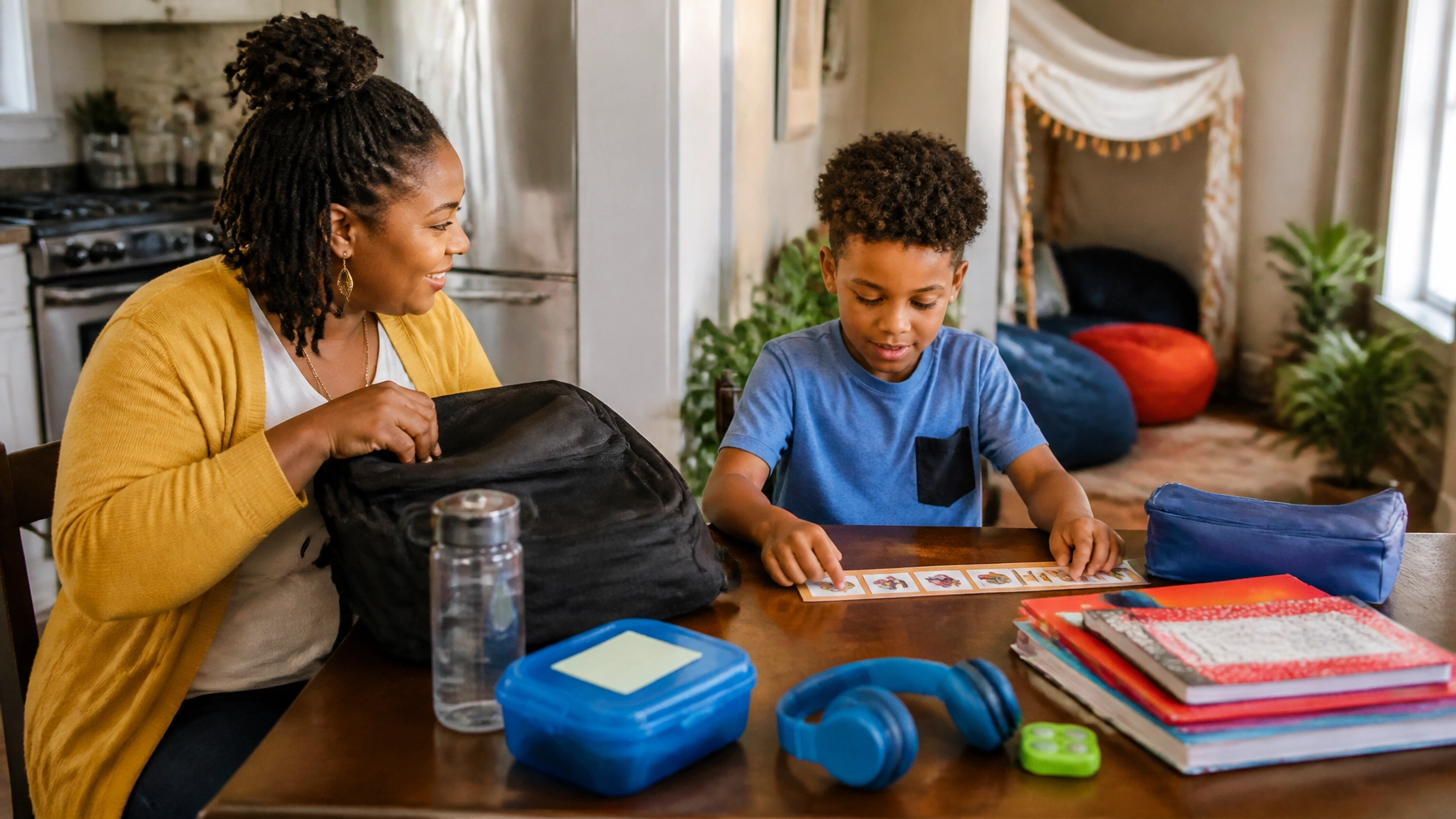
Receiving an autism diagnosis for your child can feel like the world has shifted on its axis. In one moment, you have a name for the differences you’ve observed, but you also have a mountain of paperwork, new terminology, and a lingering question: "What now?"
At We Are Autism, we believe that a diagnosis isn't a "broken" report, it’s a map. It’s the beginning of understanding how your child’s beautiful, unique mind works. Our founder, Charlene Pinnock, often shares that this journey is about moving from a place of "fixing" to a place of "connecting." We are here to walk alongside you, ensuring you navigate these first 30 to 60 days with confidence, connection, and a focus on what truly matters: your child.
The most important thing to remember in the days following a diagnosis is that nothing about your child has actually changed. They are the same person they were yesterday. They still love the same songs, have the same giggle, and possess the same unique spirit.
The diagnosis is a tool to help you unlock the right supports, not a label that defines their worth. Before you dive into the "doing," take a moment to just "be." Protect your family time. The "early intervention" window is important, but it is not more important than the bond you share.
In the past, many autism resources focused on "fixing" behaviors to make children appear more "typical." Today, we prioritize affirming care. This means respecting that being autistic is a natural neurological difference.
Affirming care focuses on:
Our Building Bridges educational series is a great place to start learning about these concepts through the eyes of real families.
In the United States, the Individuals with Disabilities Education Act (IDEA) ensures that every child has a right to a "Free Appropriate Public Education" (FAPE).
If your child is 3 years or older, your first step should be a written request to your local school district for a special education evaluation. This leads to an Individualized Education Program (IEP). An IEP is a legally binding document that outlines the specific supports, accommodations, and services (like speech or occupational therapy) your child will receive at school.
If your child is under age 3, you don't go through the school district yet. Instead, look for your state’s Early Intervention (EI) program. These services are often provided in your home or at your child’s daycare: places where they feel most comfortable. EI focuses on coaching parents to support their child’s development during everyday routines. It is generally free or based on a sliding scale, regardless of income.
The paperwork will come fast. You’ll receive diagnostic reports, therapy evaluations, insurance letters, and meeting notes. Create a physical binder or a dedicated digital folder immediately.
Pro Tip: Always keep at least three physical copies of the full diagnostic report. You will need them for the school district, insurance companies, and private therapy providers. Being organized early reduces the "paperwork fatigue" that many parents face in the second month.

Autistic children often process the world differently through their senses. What looks like a "meltdown" is frequently a sensory overload.
Instead of focusing on "behavior," look at the environment. Are the lights too bright? Is the room too loud? Does your child need more movement? Simple tools like noise-canceling headphones, weighted blankets, or "calm down corners" can make a world of difference. Our book, Marcus Good Boy, offers a beautiful look into the world of a child navigating these experiences with a loving family.
If your child is non-speaking or has limited speech, remember that communication is a human right. It is a common myth that using Augmentative and Alternative Communication (AAC): like picture boards or iPad apps: prevents a child from talking. In fact, research shows that AAC often supports spoken language development by reducing the frustration of not being understood.
Celebrate every form of communication: a pull on your hand, a point to a snack, or a button pressed on a device. Every "message" sent is a win.
You cannot do this alone, and you shouldn’t have to. Connecting with other parents who "get it" is the single best thing you can do for your mental health.
At We Are Autism, we offer Support Groups and a community network where you can ask questions without judgment. Whether it’s finding the best pediatric dentist or just having a safe space to vent about a hard day, your village is waiting for you.

Parenting an autistic child requires a high level of "emotional bandwidth." You will be navigating systems that are often confusing and slow.
If you are burnt out, you cannot advocate effectively for your child. Make "Self-Care" more than just a buzzword. It might be five minutes of quiet in the car, a session with a therapist, or checking in with our Talk to Aunty Charlene program for encouragement. Remember: a regulated parent helps a child stay regulated.
There will be challenges, but there will also be incredible joys. Autistic children often have deep passions, a unique sense of humor, and a way of seeing the world that is truly refreshing.
Don't wait for your child to reach "typical" milestones to celebrate. Celebrate the first time they make a new connection, the way they light up when talking about their favorite topic, and the progress they make on their own timeline.
Our Fearfully and Wonderfully Made book series is designed to help families and communities celebrate these differences, fostering a culture of compassion and inclusion from the very start.

You are doing a great job. This path is a marathon, not a sprint, and we are here to walk it with you every step of the way. For more resources, books, and community support, visit us at We Are Autism.
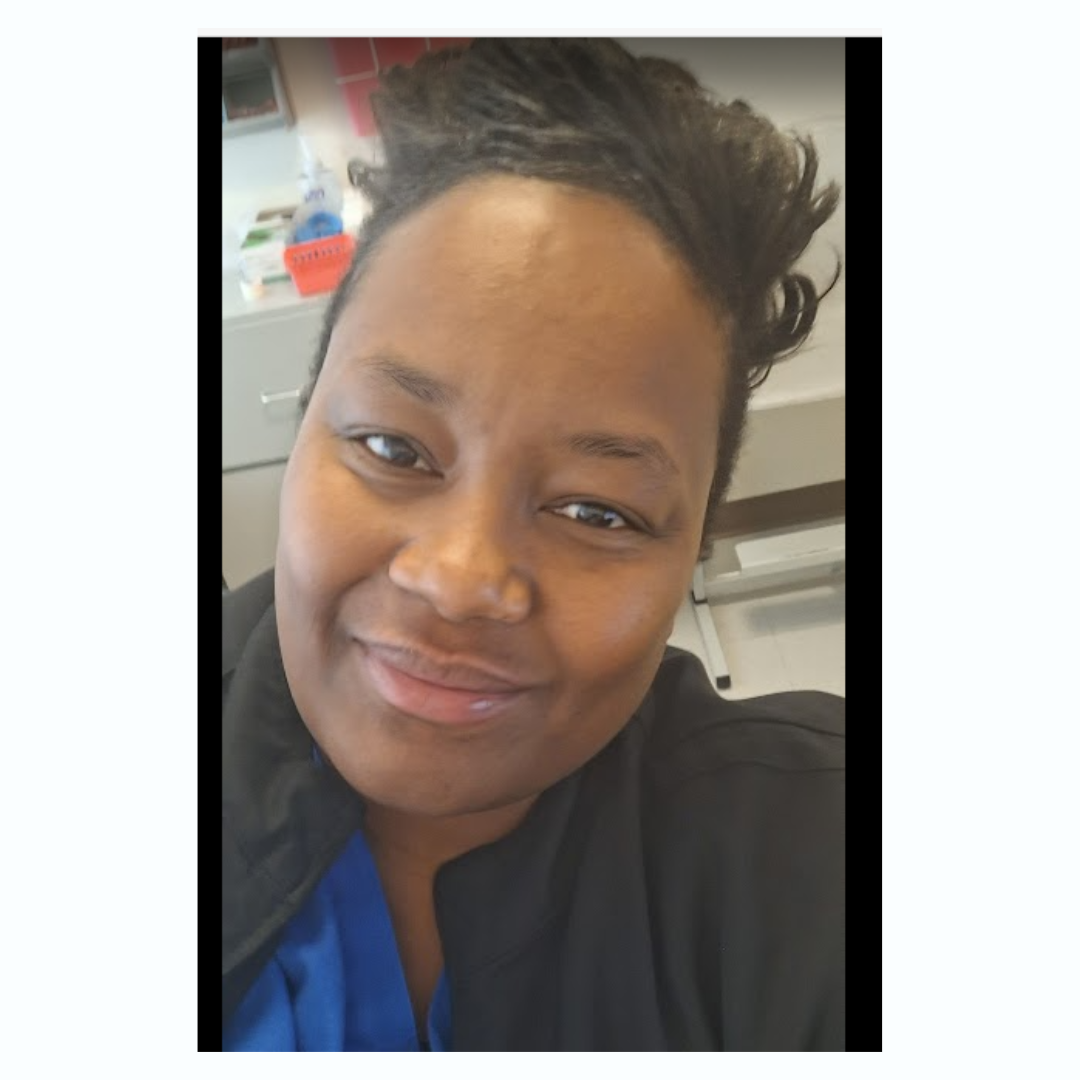
Charlene Pinnock is the Founder and Executive Director of We Are Autism, a 501(c)(3) nonprofit organization dedicated to empowering families of children on the autism spectrum through education, practical resources, and compassionate support. Inspired by her own journey raising her son, Marcus, Charlene is passionate about helping parents navigate autism with confidence, build stronger family connections, and discover that no one should walk this journey alone.
.avif)