The transition from the slow, sensory-regulated days of summer to the high-demand environment of a classroom is often one of the biggest challenges for families. For parents and caregivers of children on the autism spectrum, the "Back-to-School" season isn't just about buying new shoes and pencils; it is about navigating a complex landscape of sensory needs, social expectations, and legal advocacy.
If your child is experiencing heightened anxiety as the first day approaches, know that you are not alone. Whether you are navigating your first school year after a newly diagnosed autism help journey or you are a seasoned advocate for your child, having a structured plan can make all the difference. At We Are Autism, we believe in empowering you with practical autism support for parents so that your child doesn’t just survive the school day but thrives in it.
This 4-week countdown is designed to help you and your child build the confidence needed for a successful transition. We focus on the American educational context, ensuring your rights under the Individuals with Disabilities Education Act (IDEA) are at the forefront while providing the community-based support your family deserves.
The first step in reducing back-to-school anxiety is addressing the physical and mental shift from summer mode to school mode. Autistic children often rely on predictable routines to feel safe, and a sudden change in wake-up times or daily structure can lead to significant stress.
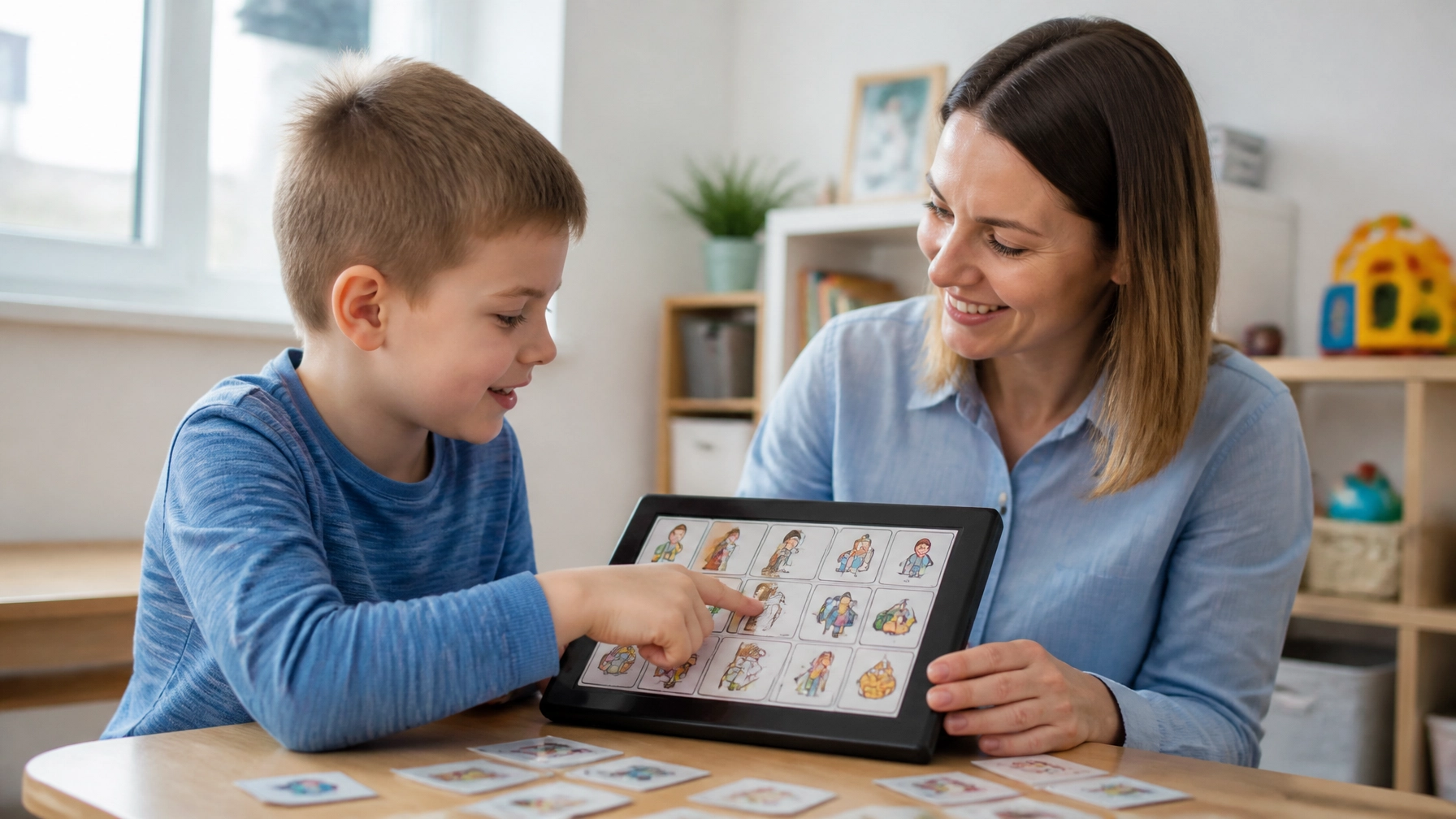
Start by gradually adjusting sleep schedules. If your child has been staying up late, move bedtime earlier by 15 minutes every few days. This gentle transition helps the body adjust without the shock of a 6:00 AM alarm on the first day. Alongside sleep, begin using a visual calendar in a prominent place in your home. Mark the first day of school clearly and use it to countdown together. This builds predictability: one of the most effective autism behavior strategies for reducing "fear of the unknown."
During this week, start talking about school in low-pressure ways. Use the Building Bridges video series, such as Marcus’s Word Adventure, to engage your child in learning and problem-solving in a fun, non-threatening format. Seeing Marcus and his magical companion navigate challenges can help your child visualize their own ability to handle new situations. This is also a great time to reconnect with your Support Network. Sharing your worries with other parents who understand can lighten the emotional load before the "official" school prep begins.
School environments are sensory minefields. The buzzing of fluorescent lights, the smell of the cafeteria, and the sheer volume of a crowded hallway can be overwhelming. Week three is about "sensory re-entry" and using storytelling to bridge the gap between home and the classroom.
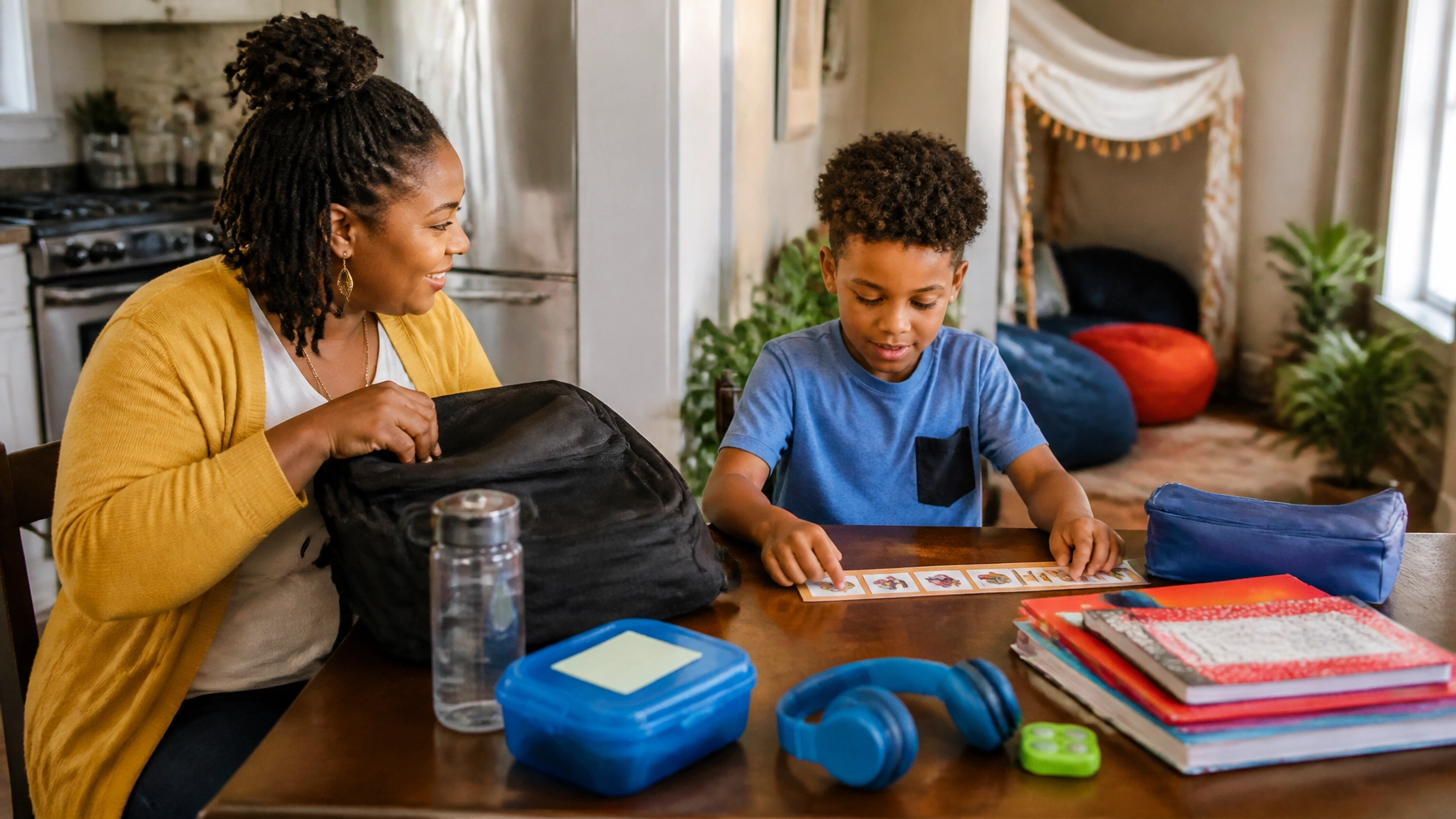
Begin by auditing your child’s school gear. Sensory discomfort from a "scratchy" new shirt or a backpack that feels too heavy can exacerbate school-day anxiety. Let your child wear their school shoes around the house or practice carrying their backpack for short periods. If they have specific autism sensory strategies that work at home, such as noise-canceling headphones or certain fidget tools, make sure these are ready and labeled.

This is also the perfect week to introduce inclusive literature that mirrors your child’s experience. Reading books like Marcus Good Boy or titles from the Fearfully and Wonderfully Made series can provide a safe space to discuss differences. For example, Janelle Sees the World Up Close helps children understand vision differences, while other books in the series celebrate neurodiversity and kindness. When children see characters like themselves or their peers navigating the world with dignity, it reduces the stigma and anxiety associated with being "different" in a classroom setting.
Now that the routines are settling in, it is time to focus on the paperwork and people who will support your child. In the American school system, your child’s Individualized Education Program (IEP) or 504 Plan is their legal safeguard. Parenting a child with autism involves being a persistent advocate to ensure these documents are followed and updated.
Review your child’s current IEP or 504 Plan. Does it include specific accommodations for anxiety and transitions? For example, you might request a "flash pass" that allows your child to leave the room for a sensory break without having to ask verbally. Ensure that sensory supports: like a quiet corner or alternative seating: are explicitly written into the plan. Under IDEA, your child is entitled to a Free Appropriate Public Education (FAPE) in the Least Restrictive Environment (LRE), and these accommodations are key to making that a reality.

Create a "One-Page Profile" or an "About Me" sheet to share with the new teacher. This shouldn't just be a list of challenges; include your child's strengths, interests, and what specifically helps them when they are feeling overwhelmed. If you feel stuck on how to phrase these needs, reach out to the Talk to Aunty Charlene program. Having a space to receive guidance from someone who has walked this journey can give you the confidence to speak up in those school meetings. Our Community and Support Network are here to ensure no parent walks this path alone.
The final week is all about making the school environment feel familiar. If possible, schedule a walkthrough of the school. Walk the path from the front door to the classroom, find the bathroom, and see where lunch will be eaten. Taking photos of these locations and the teacher to create a personalized social story can be a game-changer for reducing first-day jitters.
Practice the full morning routine at least twice this week: from getting dressed to "leaving" at the actual school time. This rehearsal helps identify any last-minute sensory or behavioral hurdles. At the same time, plan for what happens after the school bell rings. Many autistic children experience "after-school restraint collapse," where they release all the tension they’ve held in during the day. Plan for "low-demand" evenings for the first two weeks of school. This means minimal chores, favorite meals, and plenty of time for preferred interests or sensory play.

Use this time to reinforce the idea that school is just one part of their world, and home remains a safe, regulated space. You might even set up a "calm-down kit" together using some of the artwork or sensory items your child loves. Celebrating small wins: like getting through the morning routine: builds the momentum needed for the big day.
Back-to-school season is a marathon, not a sprint. While the 4-week plan provides a roadmap, remember that every child's journey is unique. Some weeks will feel like a success, while others may require you to pivot and find new autism sensory strategies.
At We Are Autism, our mission is to provide the education and advocacy you need to navigate these transitions. From our inclusive children's books like A Lesson in Kindness to our Support Groups, we are here to walk alongside you. If the school year brings challenges you didn't anticipate, don't hesitate to lean on your Support Network.
By focusing on predictability, sensory regulation, and strong advocacy, you are giving your child the tools they need to navigate the school year with confidence. You are their best advocate, and we are proud to be part of your community.
For more resources, explore our Building Bridges video series or browse our collection of Educational Articles designed for parents and caregivers. Together, we can make this school year a season of growth and connection.

Charlene Pinnock is the Founder and Executive Director of We Are Autism, a nonprofit organization dedicated to educating, empowering, and supporting families navigating the autism journey. As a parent of a child with autism and a passionate advocate, Charlene combines personal experience with practical resources to help families build confidence, strengthen advocacy skills, and connect with their communities. Through educational programs, workshops, articles, and digital resources, her mission is simple: because no one should walk this journey alone.
.avif)