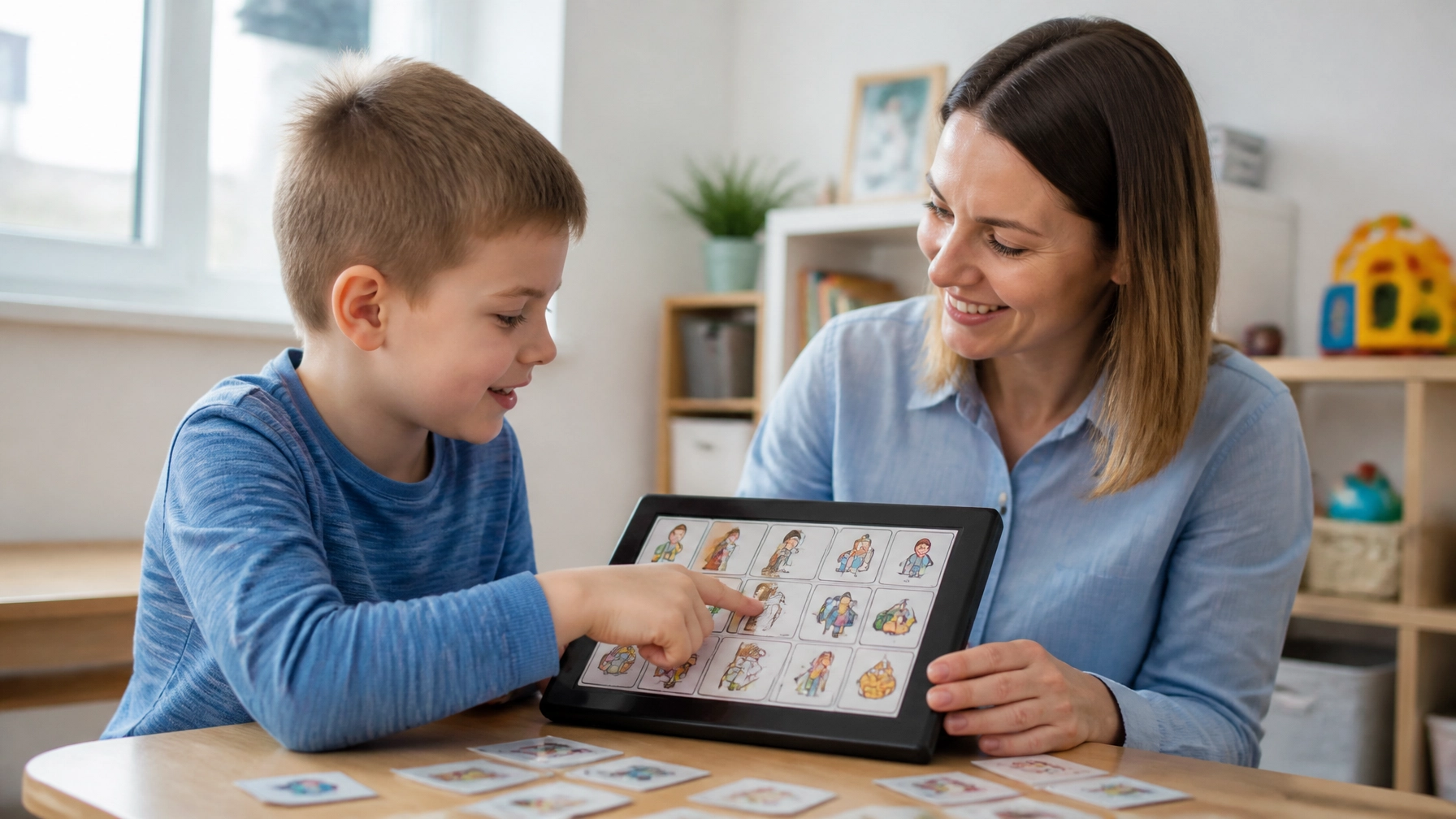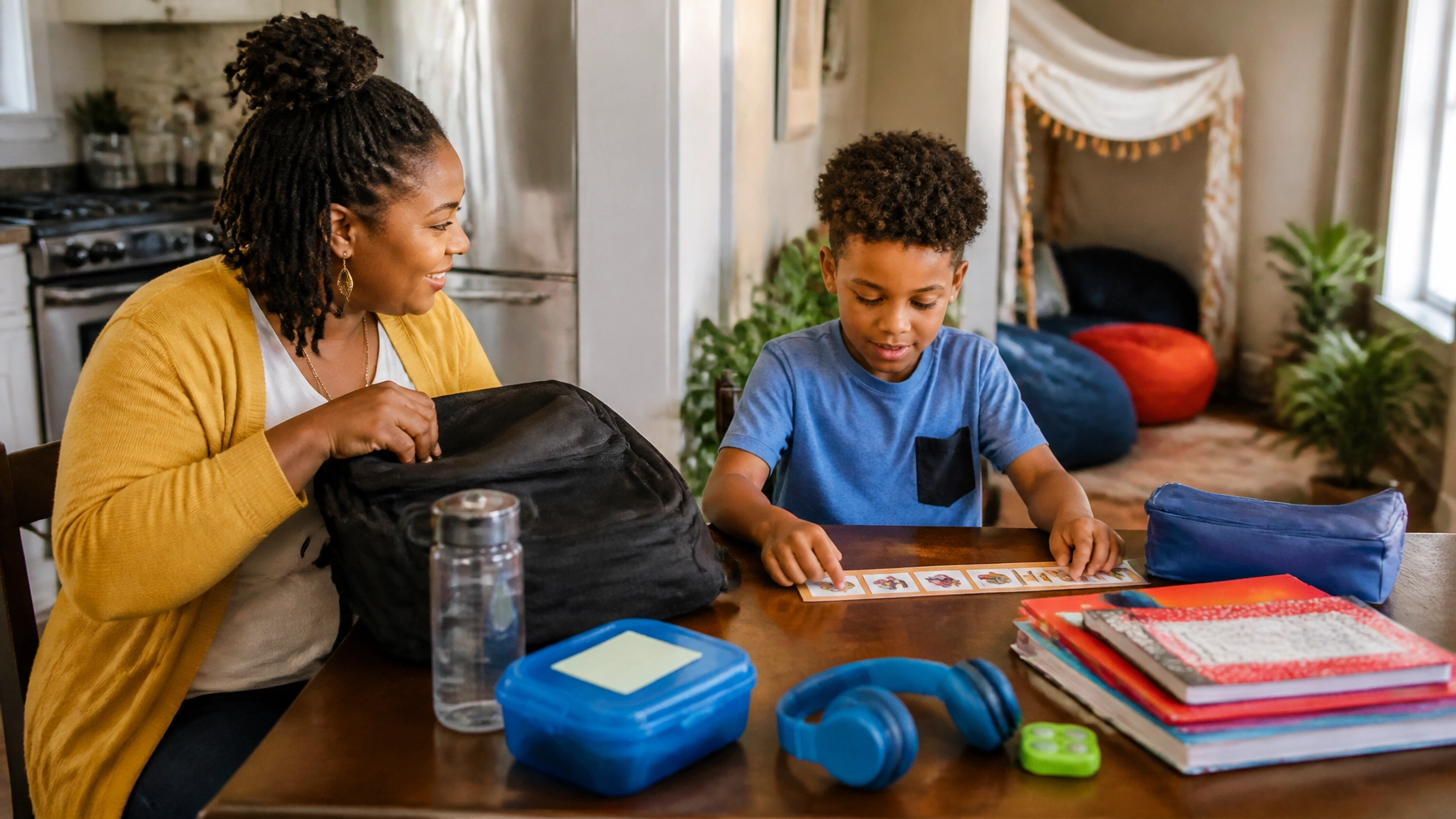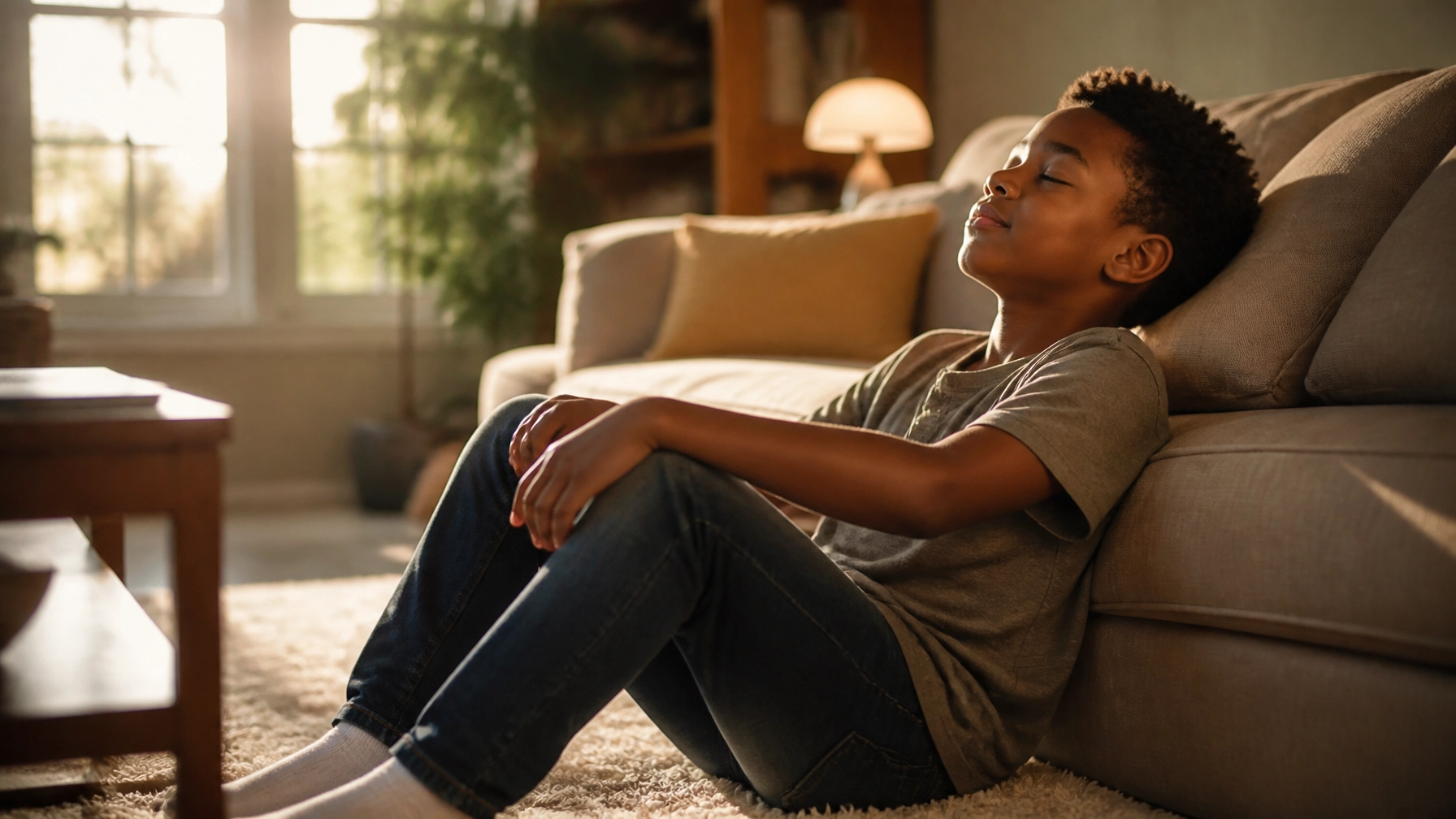
You pick your child up from school, and the teacher greets you with a bright smile. "They had a fantastic day! So helpful, so quiet, and followed every instruction." You breathe a sigh of relief, but the moment you get through the front door at home, the atmosphere shifts. The shoes are kicked off, the backpack is dropped, and suddenly, your child: who was "perfect" just twenty minutes ago: erupts into a full-scale meltdown or sinks into a state of total exhaustion.
If this sounds familiar, you aren't alone. This puzzling mismatch between school behavior and home behavior is one of the most common challenges families on the autism spectrum face. It’s a phenomenon driven by two key concepts: autism masking in school and after-school restraint collapse.
At We Are Autism, we believe that understanding the why behind your child's behavior is the first step toward creating a home environment where they can truly thrive. No parent should walk this journey alone, and understanding the hidden toll of the school day is a vital part of that path.
Masking (or "camouflaging") is a social strategy used by many autistic individuals, including children, to hide their autistic traits in order to fit in or appear neurotypical. In a school setting, masking can look like:

While masking might help a child "get through" the school day without incident, it comes at a staggering cognitive and emotional cost. Imagine spending six hours a day pretending to be someone you aren't, while also trying to learn math and navigate social cliques. By the time the school bell rings, your child’s "internal battery" is completely drained.
Think of your child’s emotional regulation like a bottle of soda. Throughout the school day, every time they suppress a stim, navigate a loud hallway, or force a social interaction, the bottle gets shaken. At school, they keep the lid on tight because it feels unsafe to let go.
But the moment they step into their "safe space": home: the lid comes off. The result is what experts call after-school restraint collapse. This isn't a "tantrum" or bad behavior; it is a neurological release of the accumulated stress and sensory overload from the day.
For parents, this can be incredibly confusing. You might wonder, “Why does the teacher see a perfect child, while I see meltdowns?” It’s important to remember: your child collapses at home because they feel safe enough to be themselves with you. Your presence is their sanctuary.
Since we know the school day is taxing, our goal at home is to provide a "soft landing." This means creating a transition period where the demands are low and the sensory support is high.
When your child gets in the car or walks through the door, avoid the standard "How was your day?" or "What did you learn?" For a child who has been masking, language can be exhausting. Instead, try a simple, "I’m so happy to see you," or even just a warm, silent smile. Give them at least 30 to 60 minutes of "quiet time" before asking them to engage in conversation.
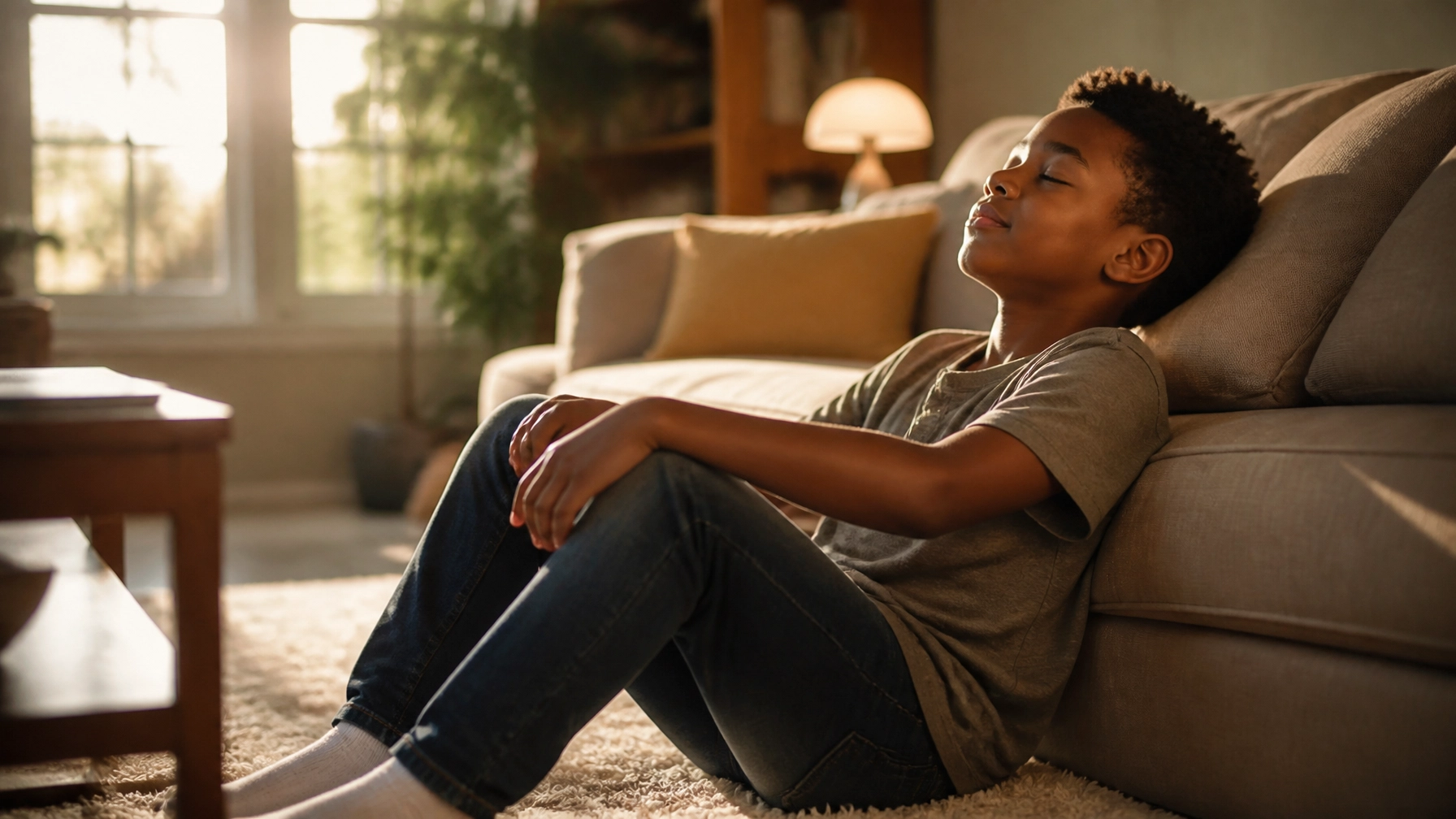
Identify what helps your child regulate. Some children need a "sensory snack" (something crunchy or chewy) to ground them. Others may need high-intensity movement like jumping on a trampoline or swinging. Many benefit from a dedicated "calm corner."
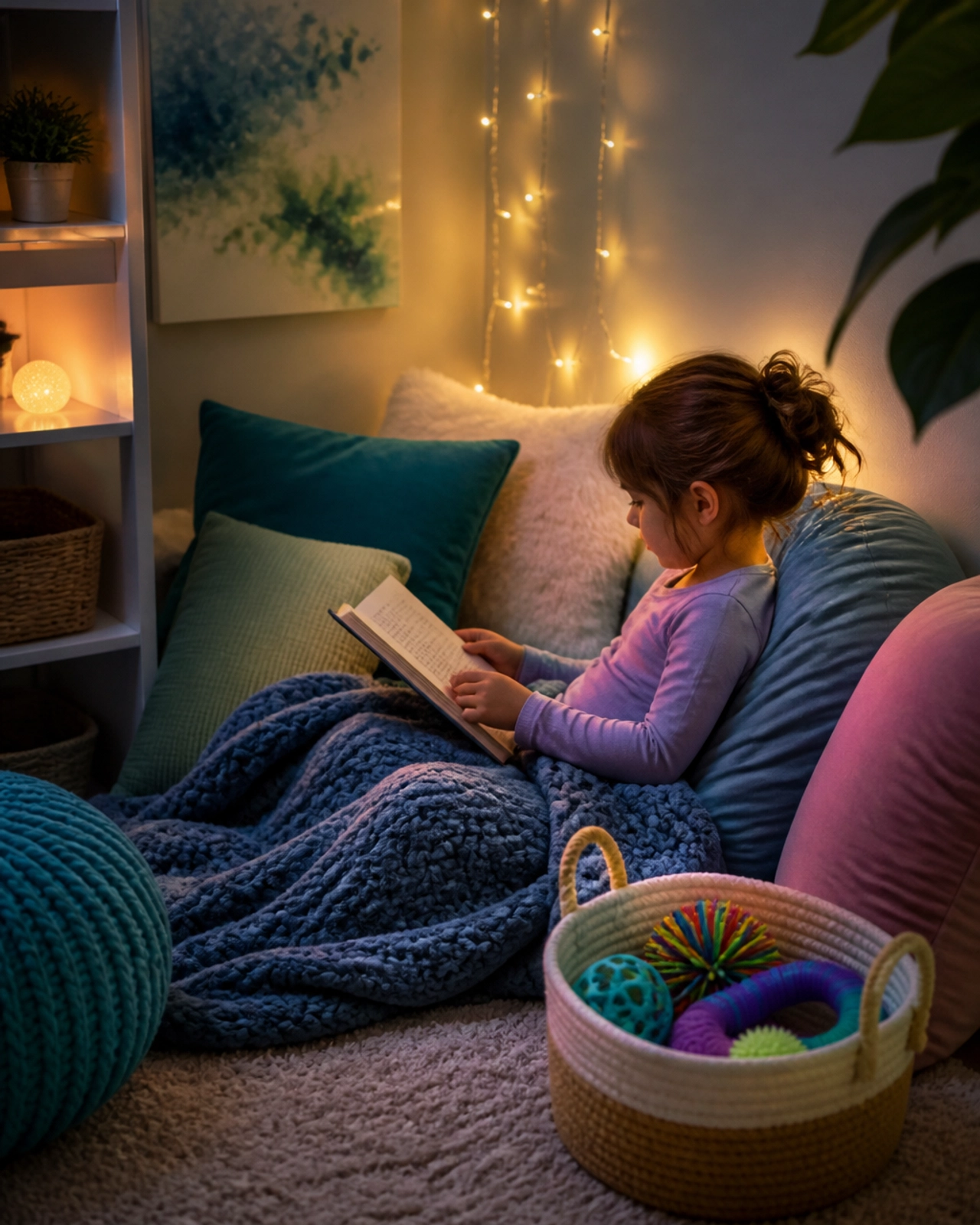
If your child is experiencing significant after-school restraint collapse, consider scaling back on extracurricular activities or heavy chores on school nights. Prioritize rest and connection over "being busy."
While we can manage the "collapse" at home, we also need to address the "restraint" at school. The goal of advocacy is to reduce the need for your child to mask so heavily. Here are some strategies to discuss with your child's IEP or 504 team:
At We Are Autism, we believe in celebrating every child’s unique voice. Our mission is to walk alongside you, offering the tools you need to advocate for your child’s authentic self.
We encourage you to explore our Building Bridges video series, including Marcus’s Word Adventure, which helps children and families understand communication and sensory needs in an engaging way.
If you’re looking for ways to talk to your child (or their classmates) about neurodiversity and kindness, our collection of books is a great place to start. Titles like "Marcus Good Boy" and the "Fearfully and Wonderfully Made" series (including Some Differences Are Invisible and Nia Goes Where She Chooses) are designed to foster empathy and inclusion. These stories help children see that they don't have to "mask" to be worthy of love and respect.
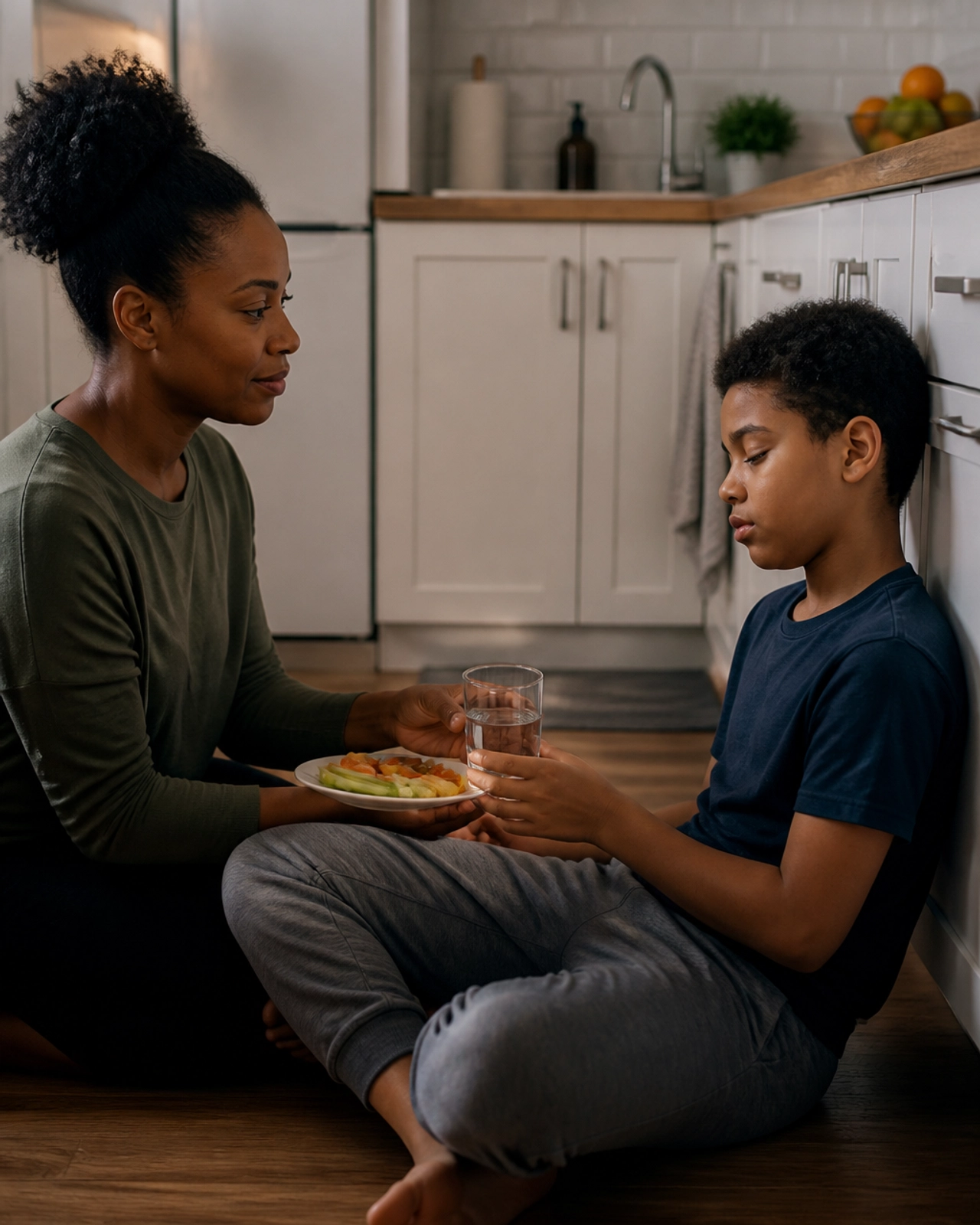
Seeing your child struggle after school can be heart-wrenching and exhausting for you, too. Remember to give yourself grace. You are doing the hard work of being the "safe harbor" in their stormy sea.
By acknowledging the reality of autism masking in school, you are validating your child’s internal experience. You are telling them, "I see how hard you are working, and it’s okay to be tired." Together, we can build a world where our children don't feel the need to hide who they are.
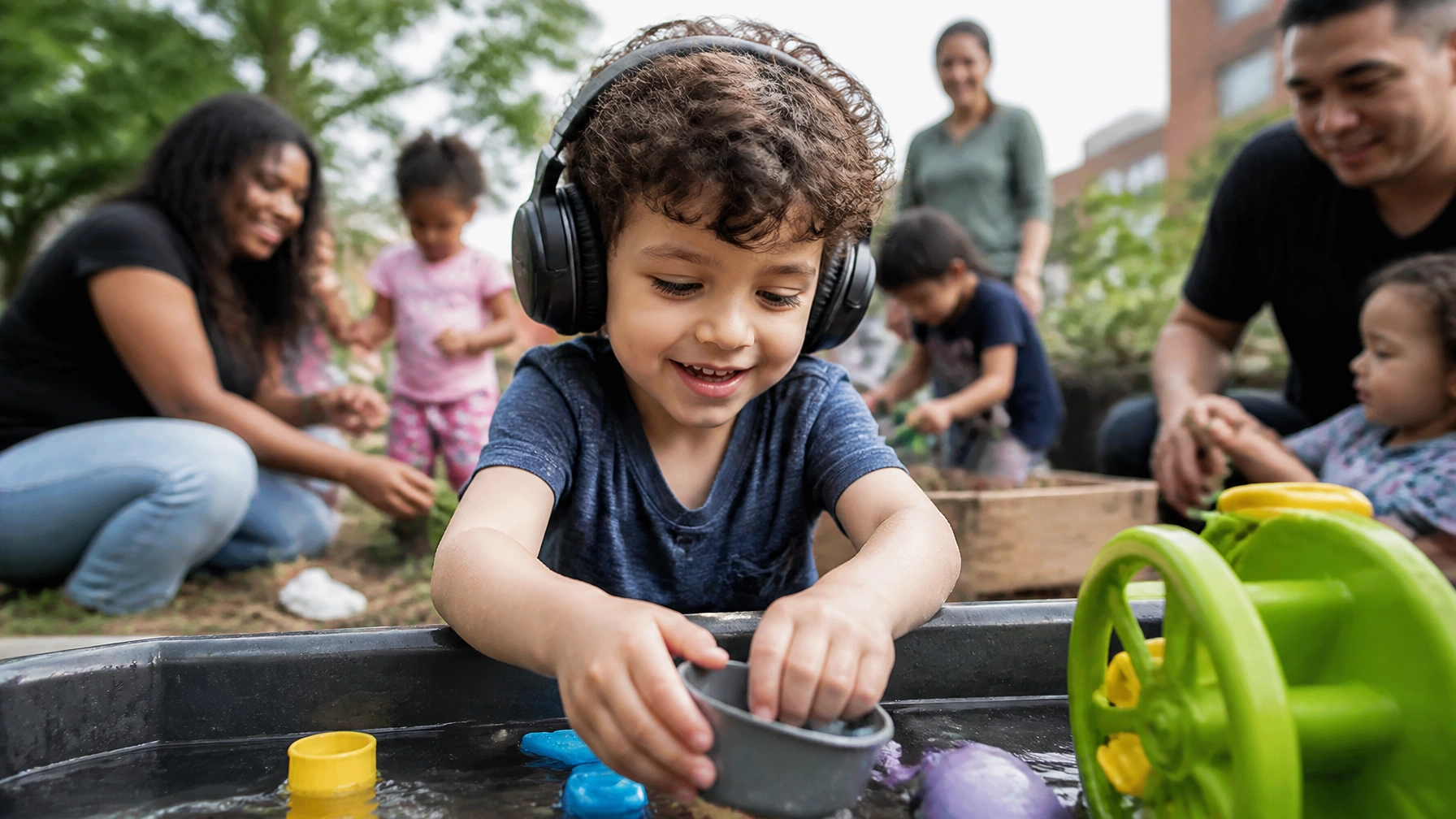
If you need more personalized guidance, join one of our support groups or check out our educational articles. Whether you are in Jamaica, America, or anywhere else in the world, the We Are Autism community is here for you.
Charlene Pinnock is the Founder and Executive Director of We Are Autism, a 501(c)(3) nonprofit organization dedicated to empowering autism families through education, advocacy, and community support. As the mother of a son with autism, Charlene shares practical guidance, personal experience, and trusted resources to help parents better understand their children, navigate challenges, and advocate with confidence.
.avif)