
As the 2026-2027 school year approaches, many parents of autistic children find themselves staring at a bowl of "alphabet soup." Between IEPs, 504s, FBAs, and BIPs, it is easy to feel overwhelmed. You know your child needs support, but the legal jargon and school board processes can feel like a maze designed to keep you out.
At We Are Autism, our mission is to bridge the gap between knowing what your child needs and having the strength and resources to advocate for it. Whether your child is just starting kindergarten or transitioning into middle school, understanding the difference between an Individualized Education Program (IEP) and a 504 Plan is the first step in ensuring they have a successful school year.
In this guide, we will break down the differences, the eligibility requirements, and how to determine which path is right for your child’s unique profile.
The most important thing to remember is that these two plans are governed by different federal laws.
An IEP (Individualized Education Program) is a blueprint for special education. It falls under the Individuals with Disabilities Education Act (IDEA). An IEP is designed for students who need more than just a "level playing field": they need specialized instruction to learn.
A 504 Plan falls under Section 504 of the Rehabilitation Act, which is a civil rights law. It is designed to provide equal access to the learning environment. If your child is performing at grade level but needs changes to how they access the classroom (like sensory breaks or extra time), a 504 plan might be the right fit.
A simple way to remember it:
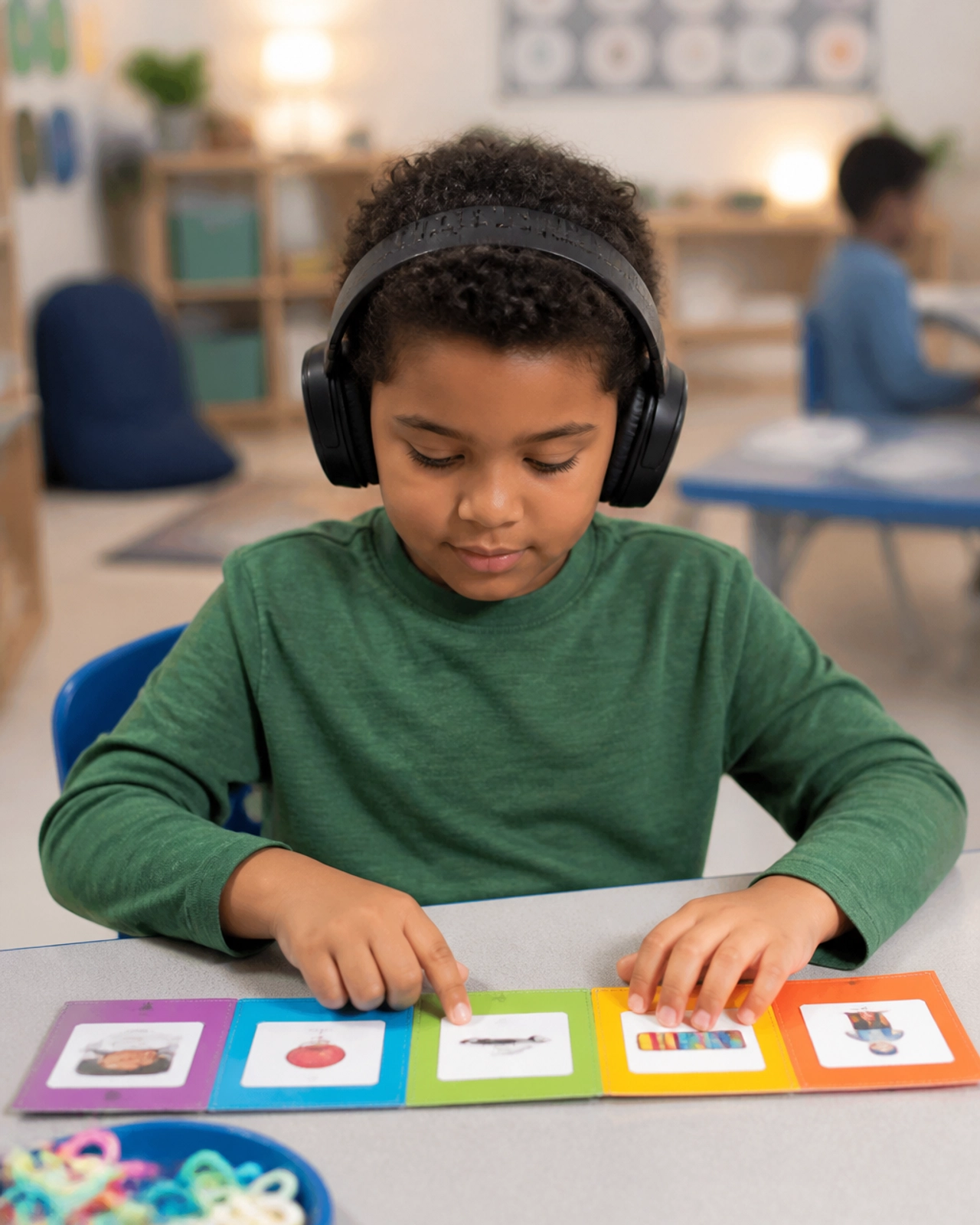
For many autistic children, the IEP is the "gold standard" of support. Because autism is a spectrum that affects social communication, sensory processing, and executive functioning, a child often needs direct teaching in these areas: not just a quieter room to work in.
Your child may need an IEP if:
Under IDEA, your child must meet two criteria for an IEP: they must have a disability (autism is one of the 13 categories) and that disability must adversely affect their educational performance. It is a common misconception that "good grades" mean a child doesn't qualify. Educational performance also includes social interaction, emotional regulation, and communication.
A 504 plan is often a great fit for autistic students who are academically on track but face barriers due to their environment. It is generally easier and faster to obtain than an IEP because the eligibility requirements are broader.
Common accommodations in a 504 plan for autism include:
If your child is thriving academically but needs these "scaffolds" to stay regulated throughout the day, a 504 plan provides the legal protection to ensure those needs are met.
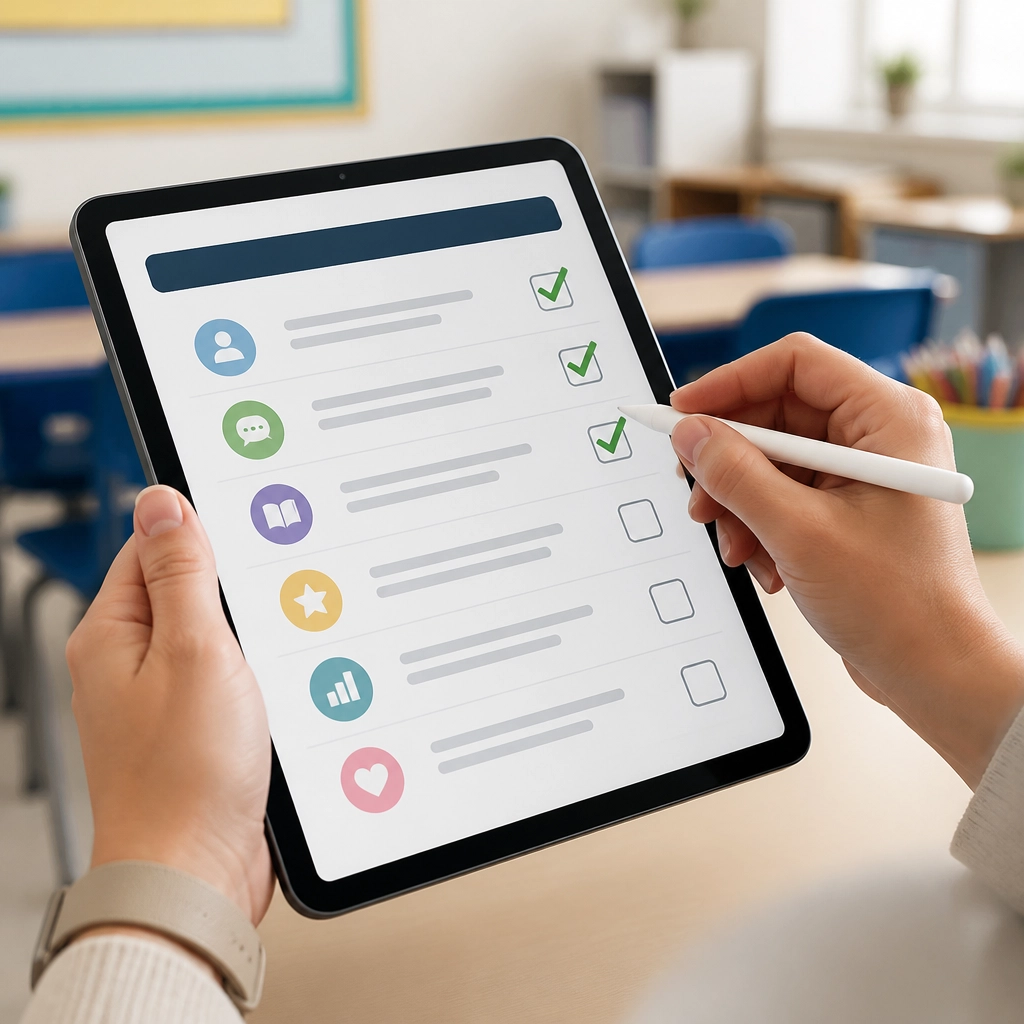
Whether you are seeking an IEP or a 504, the process starts with a written request for an evaluation. In 2026, many school districts are facing budget constraints, which can lead to longer wait times. This is why we encourage parents to start the process as early as possible.
One of the biggest hurdles for parents is feeling like their voice isn't heard in these meetings. The best way to combat this is through data.
Keep a "School Log" at home. Note down when your child comes home exhausted (masking), when they have meltdowns related to homework, or when they mention they didn't have anyone to play with at recess. These are all pieces of evidence that show how autism is impacting their "educational performance."
At We Are Autism, we often talk about "Building Bridges." Our Building Bridges educational videos are designed to help you understand these nuances so you can walk into that meeting feeling like an expert on your child: because you are.

Navigating the school system is only one part of the journey. We know that once the school day ends, the work of supporting your child continues. That is why we focus on providing resources that help families connect and understand one another.
Our inclusive books, like Marcus Good Boy and titles from the Fearfully and Wonderfully Made series, are excellent tools for teaching peers and siblings about kindness, empathy, and differences. Using these books in your child's classroom (perhaps as a suggested read-aloud) can be a powerful way to foster an inclusive environment that goes beyond what is written on a legal document.
If you are feeling isolated in this process, remember that you don't have to do it alone. Our support groups offer a space to connect with other parents who have "been there" and can offer practical advice on dealing with specific local districts.
Choosing between an IEP and a 504 is not a one-time decision. Your child’s needs will change as they grow. A child who needs a 504 plan in 2nd grade might need the more robust support of an IEP by 6th grade when the social and organizational demands of school increase.
The goal is to ensure your child feels safe, understood, and supported. Whether that happens through a 504 accommodation or an IEP goal, you are the bridge that makes it happen.

We are here to help you every step of the way. If you have questions or need a supportive space to share your story, reach out to us or join our next session of Talk to Aunty Charlene. Together, we can make the 2026-2027 school year a success for our children.
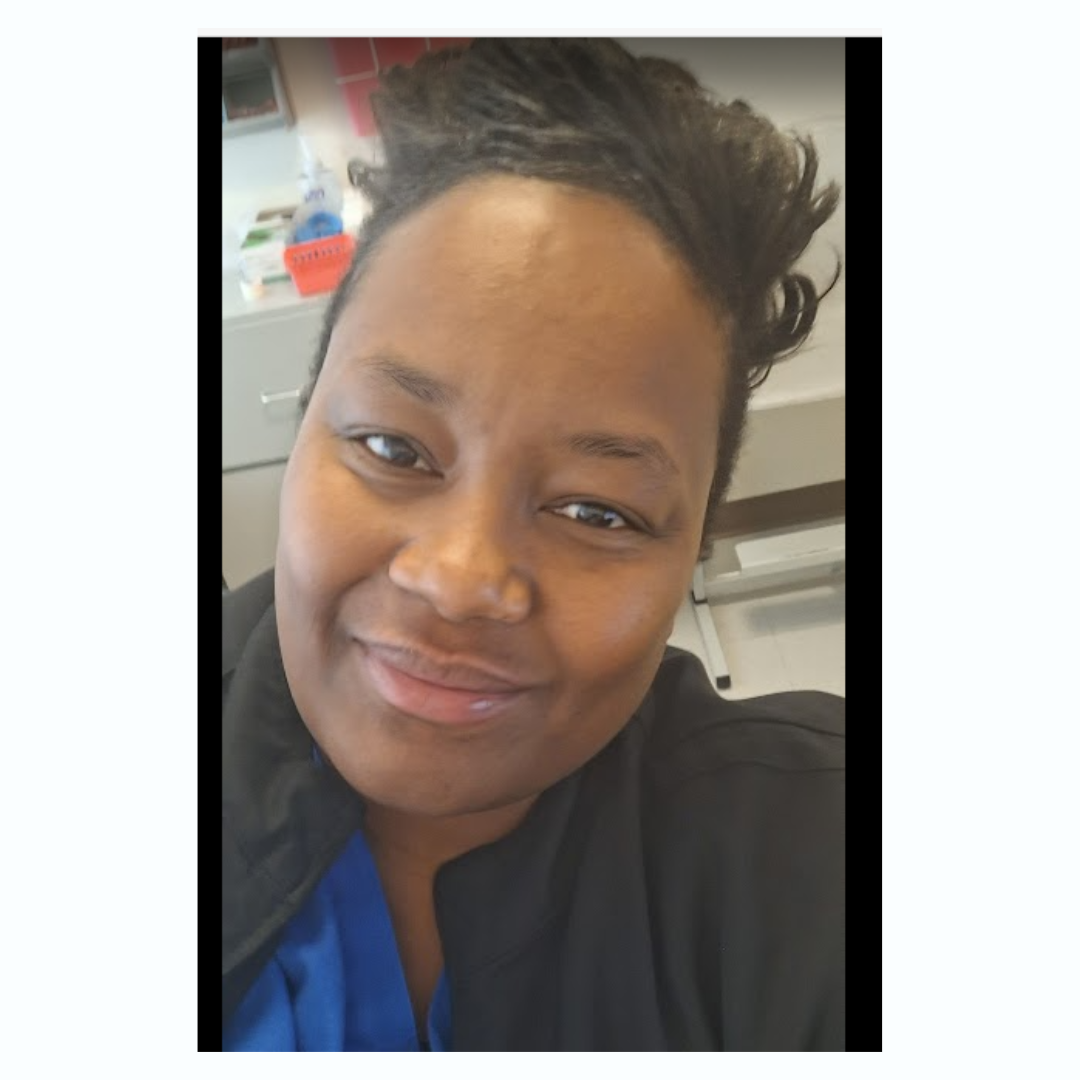
Charlene Pinnock is the Founder and Executive Director of We Are Autism, a 501(c)(3) nonprofit organization dedicated to empowering families of children on the autism spectrum through education, practical resources, and compassionate support. Inspired by her own journey raising her son, Marcus, Charlene is passionate about helping parents navigate autism with confidence, build stronger family connections, and discover that no one should walk this journey alone.
.avif)