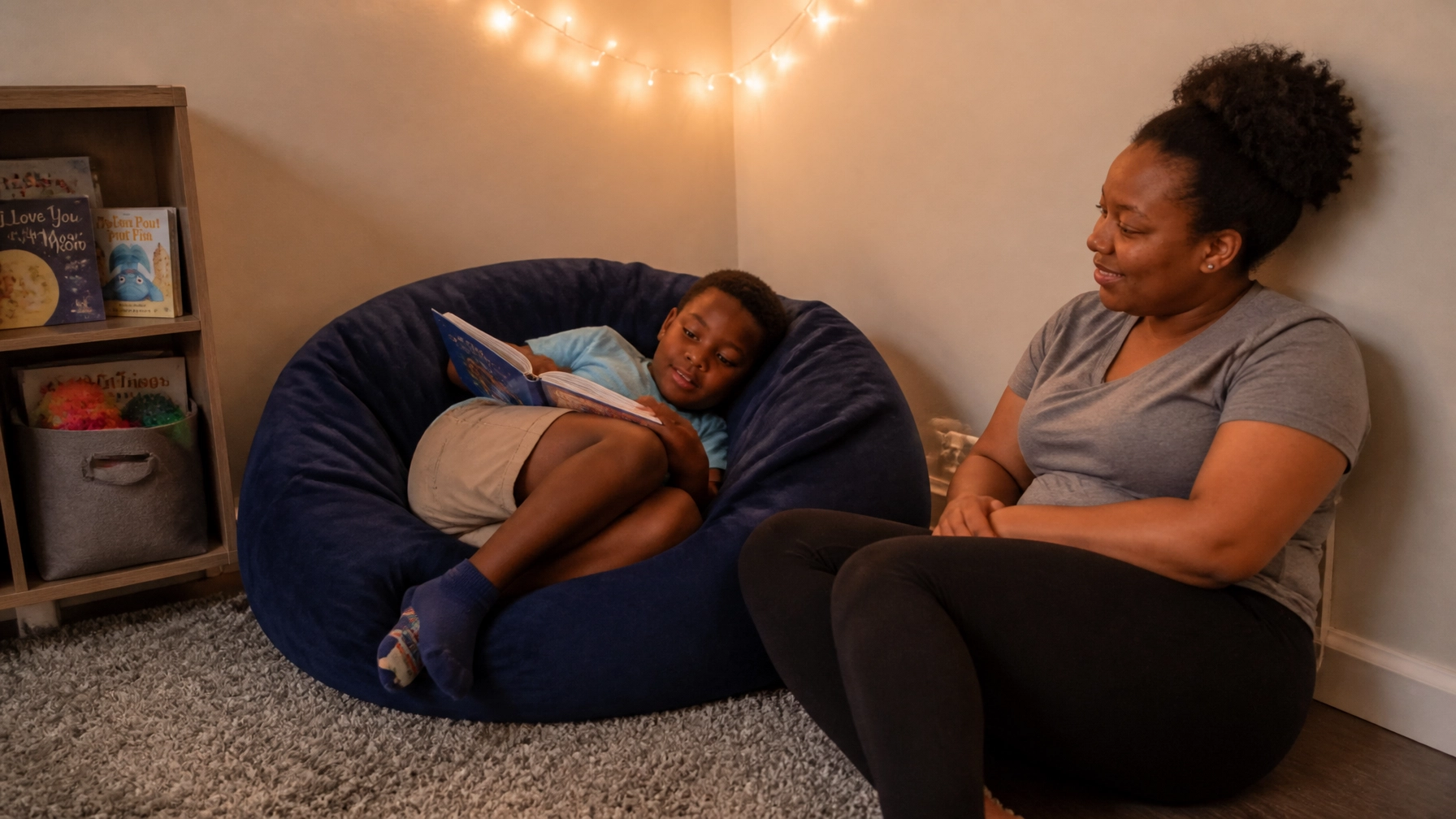
One simple way to support your child at home is by creating a calming sensory corner.
A sensory corner is not a punishment area or a timeout space. Instead, it is a safe, supportive environment where your child can relax, regulate, and regain control when emotions or sensory input become overwhelming.
A sensory corner is a dedicated area in your home designed to help your child feel calm, comfortable, and secure.
The space can be as simple as a quiet corner of a bedroom or as elaborate as a dedicated sensory room. The goal is not perfection. The goal is creating a place where your child feels safe.
Many families are surprised to learn that sensory corners do not require expensive equipment. Some of the most effective sensory spaces start with a few carefully chosen items and a good understanding of what helps a child feel regulated.
Autistic children often experience sensory input differently. Sounds, lights, textures, smells, and movement can sometimes become overwhelming.
Having a designated sensory space can help children reduce anxiety and stress, manage sensory overload, and develop self-regulation skills. It provides a place to recover after challenging situations, practice calming strategies, and build emotional awareness. Over time, children can learn to recognize when they need a break and independently use their sensory corner as a self-regulation tool.

Before creating a sensory corner, spend time observing your child. Ask yourself what helps your child feel calm, whether they enjoy movement or prefer stillness, and if they are sensitive to noise. Consider if they seek deep pressure or cozy spaces and what sensory tools they naturally gravitate toward. Every child is different. The best sensory corner is one that reflects your child's unique preferences.
A comfortable place to sit is often the foundation of a calming space. You might consider using bean bags, floor cushions, soft rugs, pillows, or cozy blankets to create that soft landing.

Harsh lighting can increase sensory overload. Many families prefer string lights, soft lamps, warm lighting, or light projectors. The goal is to create a peaceful environment that feels inviting rather than overstimulating.
Sensory tools can help children regulate their bodies and emotions. Some practical examples include fidget toys, stress balls, sensory putty, weighted lap pads, noise-reduction headphones, or sensory boards.
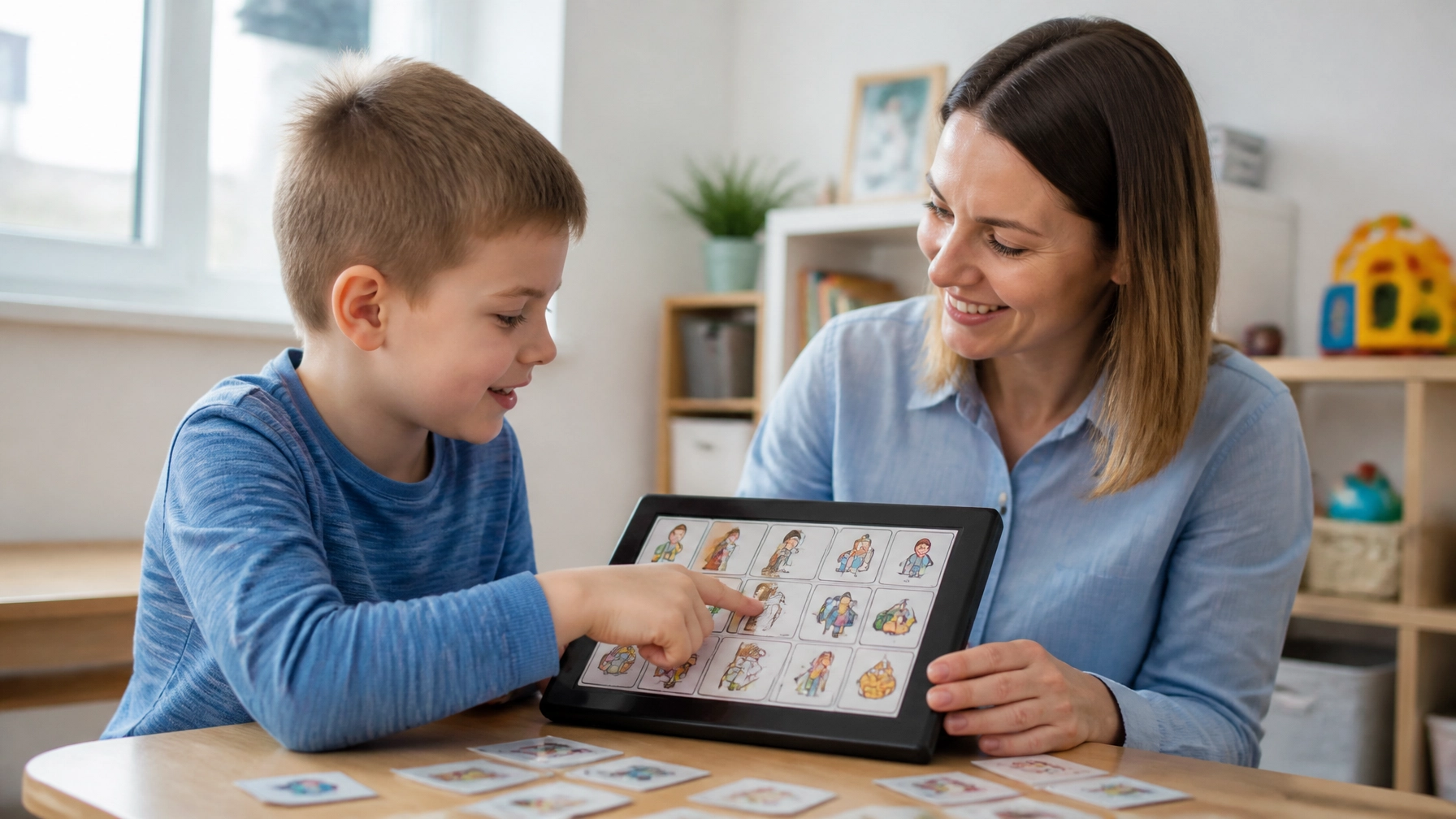
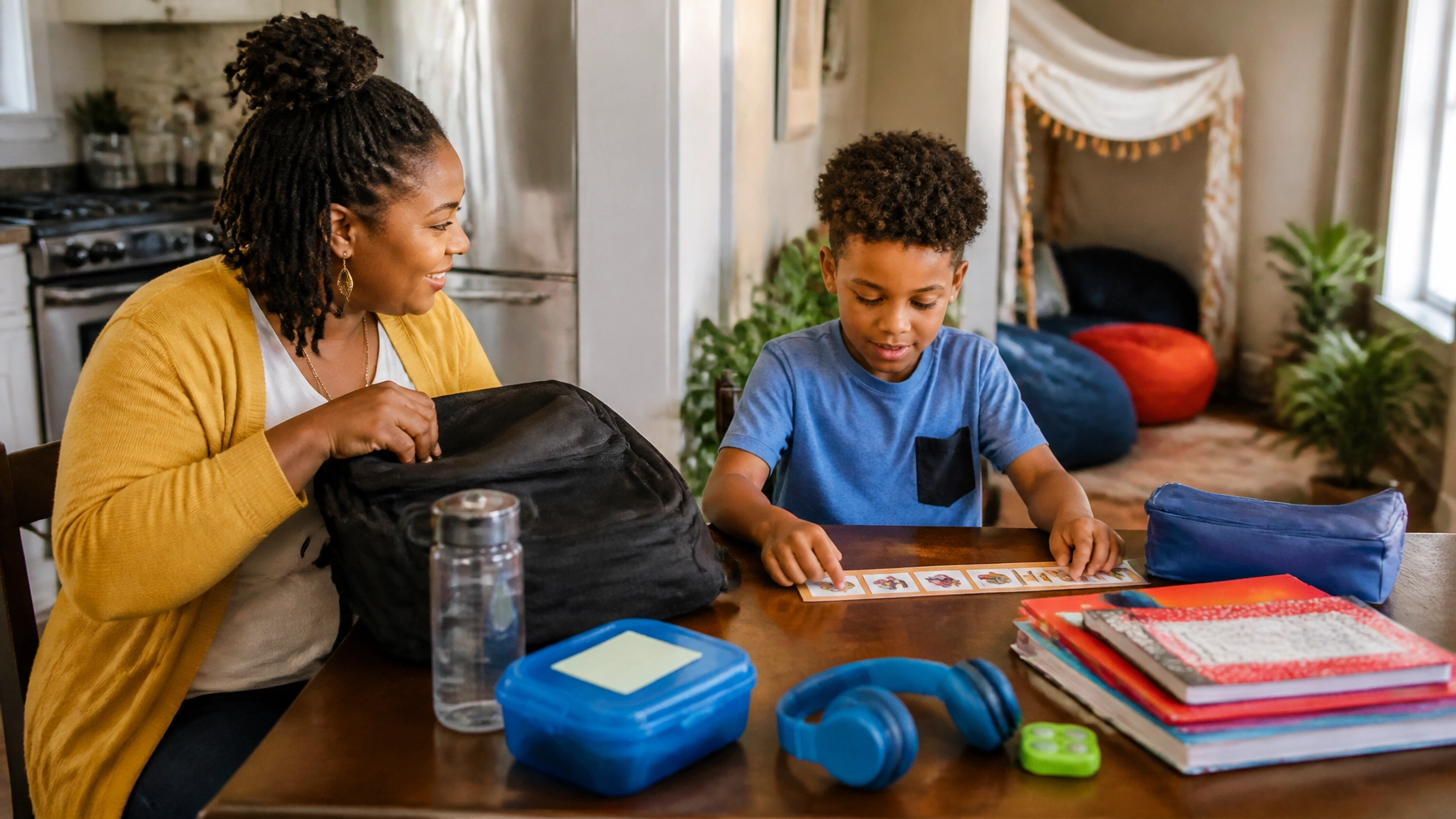
Many children benefit from having calming activities available. You could include favorite books, coloring materials, simple puzzles, picture cards, or visual schedules.
One of the most important features of a sensory corner is predictability. Children should know the sensory corner is always available and that it is a safe space, not a punishment. It is a place to feel supported. When children view the space as their own, they are more likely to use it successfully.
Many parents believe they need expensive sensory equipment to create an effective sensory space. That is simply not true. A blanket, a pillow, a small shelf of sensory tools, and a quiet corner can make a meaningful difference. Start small and build over time based on what works for your child.
Creating a sensory corner is not about creating the perfect Pinterest-worthy space. It is about creating a place where your child feels understood, accepted, and supported. Sometimes the most powerful thing we can offer our children is a safe place to pause, breathe, and reset. A sensory corner can become exactly that.

We Are Autism is grateful to Harry and Sensory Harbor for supporting autism families and sharing valuable sensory resources with our community.
If you would like additional ideas and practical guidance on creating a calming sensory corner at home, we encourage you to review the following resource from Sensory Harbor:
How to Create a Calming Sensory Corner for Autistic Children
Article Link: https://sensoryharbor.com/blogs/news/calming-sensory-corner-autistic-children

Use code WEAREAUTISM12 to receive 12% off purchases at Sensory Harbor.
We are also grateful to Sensory Harbor for donating giveaway items to support families participating in the We Are Autism Parent Education & Empowerment Program.
The resources shared by Sensory Harbor are provided as a community resource. Families should choose sensory products and supports that best meet their child's individual needs.

Charlene Pinnock is the founder and executive director of We Are Autism, a nonprofit organization dedicated to supporting, educating, and empowering parents and caregivers of children on the autism spectrum. As a mother of a son with autism and hyperlexia, Charlene combines personal experience with advocacy, education, and community outreach to help families feel seen, supported, and understood. Her work focuses on autism awareness, parent empowerment, culturally inclusive support, and creating practical resources that strengthen families both at home and within the community
.avif)