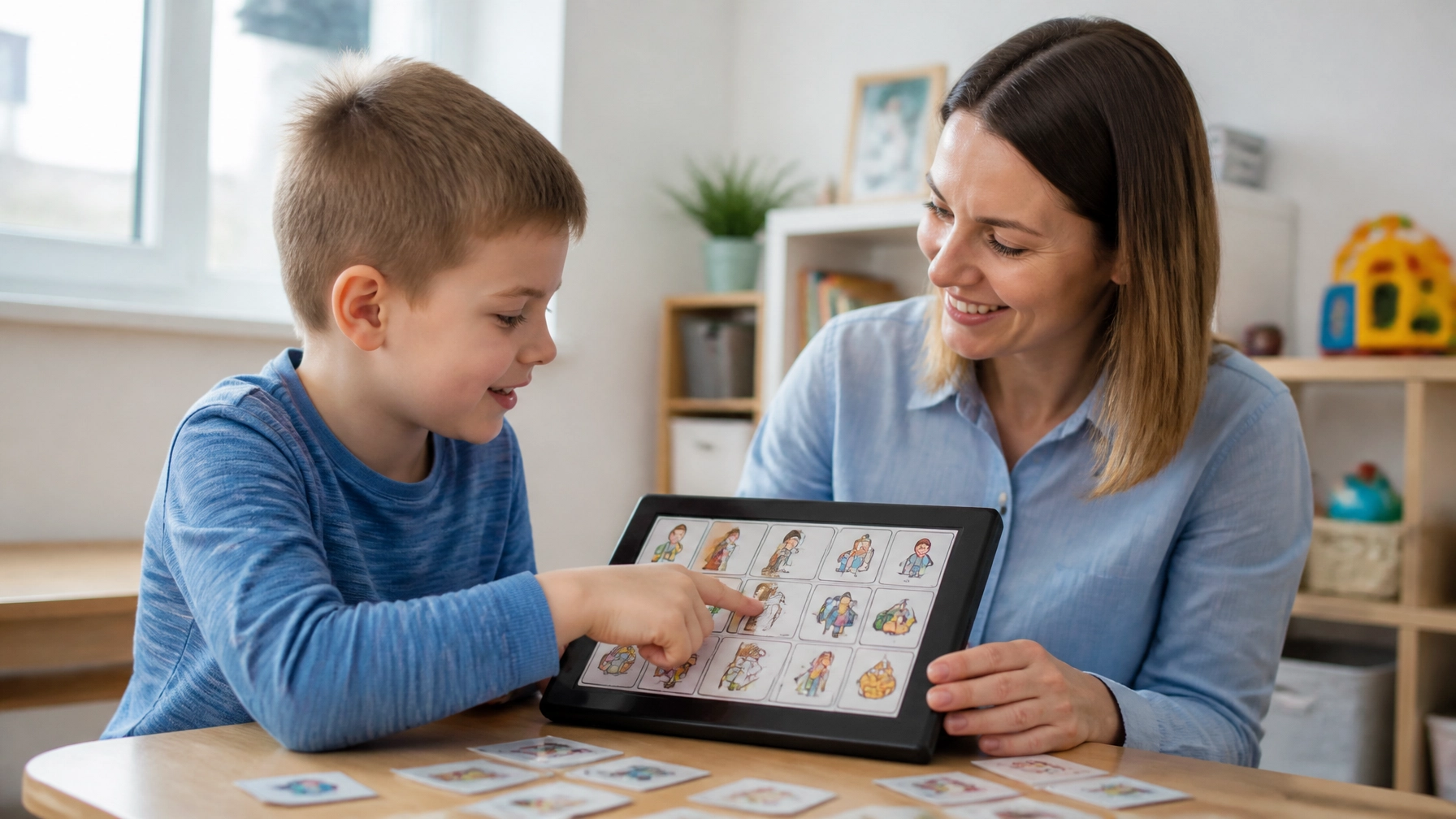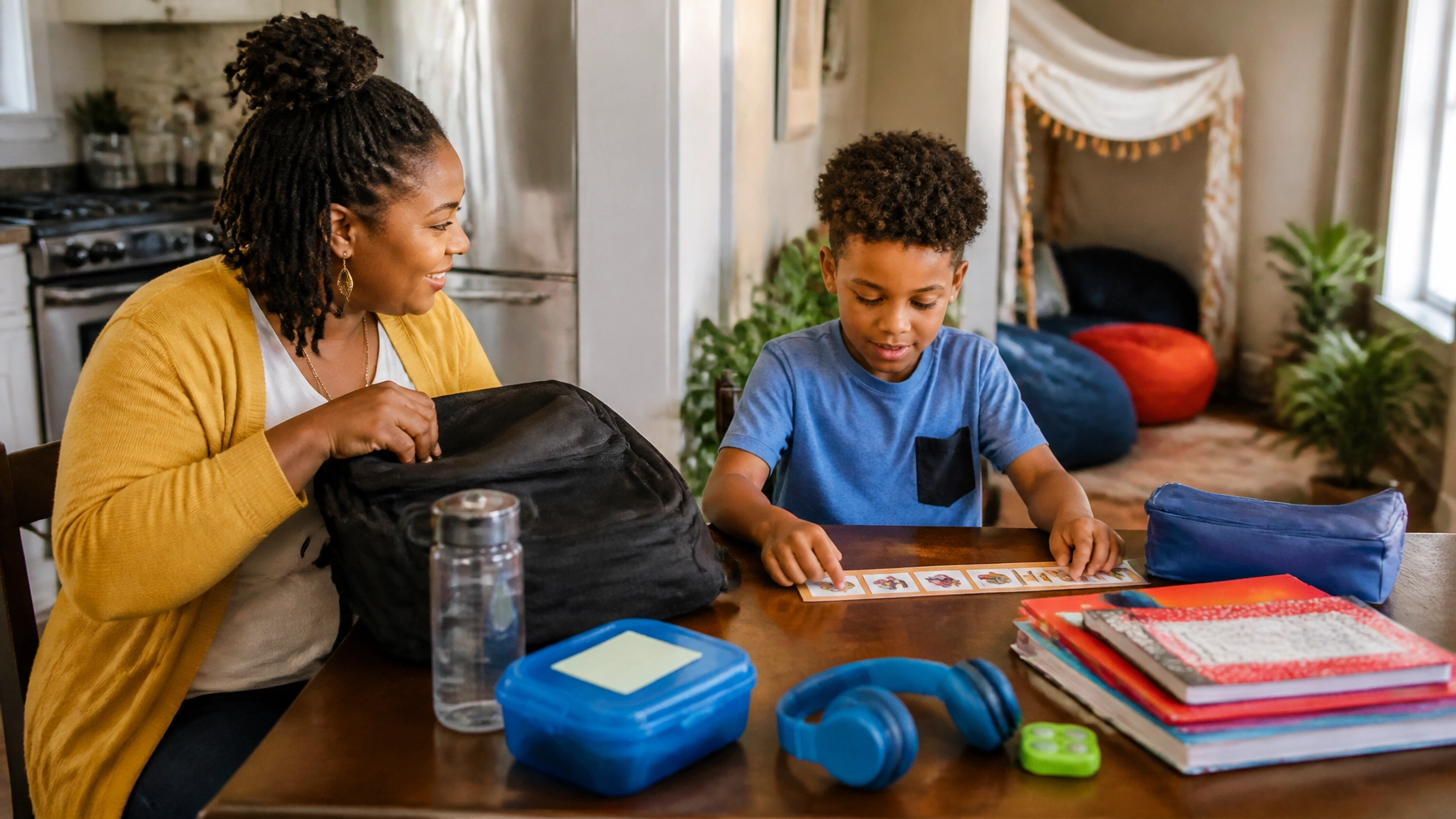
Receiving an autism diagnosis for your child is a moment that shifts your world. It brings clarity, but it often brings a daunting new reality: the waitlist. Across the United States, many families are told their child needs therapy, yet the clinics are full, specialists are booked for months, and parents are left wondering, "What do I do now?"
The feeling of "limbo" can be overwhelming. You know that early intervention is critical, but you feel like the clock is ticking while you wait for a phone call that never seems to come.
At We Are Autism, we want you to know one thing clearly: The waitlist is not a stop sign. While you wait for professional services to begin, there is a wealth of support you can access and strategies you can implement right at home to jumpstart your child’s progress. You are your child’s best advocate and most important teacher.
Here is how you can navigate the autism waitlist and start getting the help your family deserves today.
If you are newly diagnosed or suspect your child may have developmental delays, do not wait for the "perfect" private therapist to have an opening. In the United States, there are public systems and community-based supports that can help you get started right away.
By reaching out to these systems early, you aren't just waiting; you are actively building a foundation of support.
You don’t need a clinical setting to begin early intervention. Many of the most impactful strategies for autistic children involve small, consistent changes to the home environment.
Many children on the spectrum have unique sensory needs. Some are "seekers" who need more tactile input, while others are "avoiders" who get overwhelmed easily. Integrating sensory play into your daily routine can help with self-regulation and focus.

Simple activities like playing with kinetic sand, water beads, or even a bin of dried beans can provide valuable sensory input. Notice what calms your child and what excites them. For families in the United States who may be waiting for services or navigating support after therapy hours end, these simple home routines can make a real difference. Providing a "quiet corner" with soft pillows and dim lighting can also be a lifesaver when they feel overwhelmed.
Autistic children often thrive on routine. When the world feels unpredictable, a clear schedule provides a sense of safety. You can create a simple visual schedule using pictures or drawings to show the steps of the day: Wake up, Brush teeth, Breakfast, Play time.
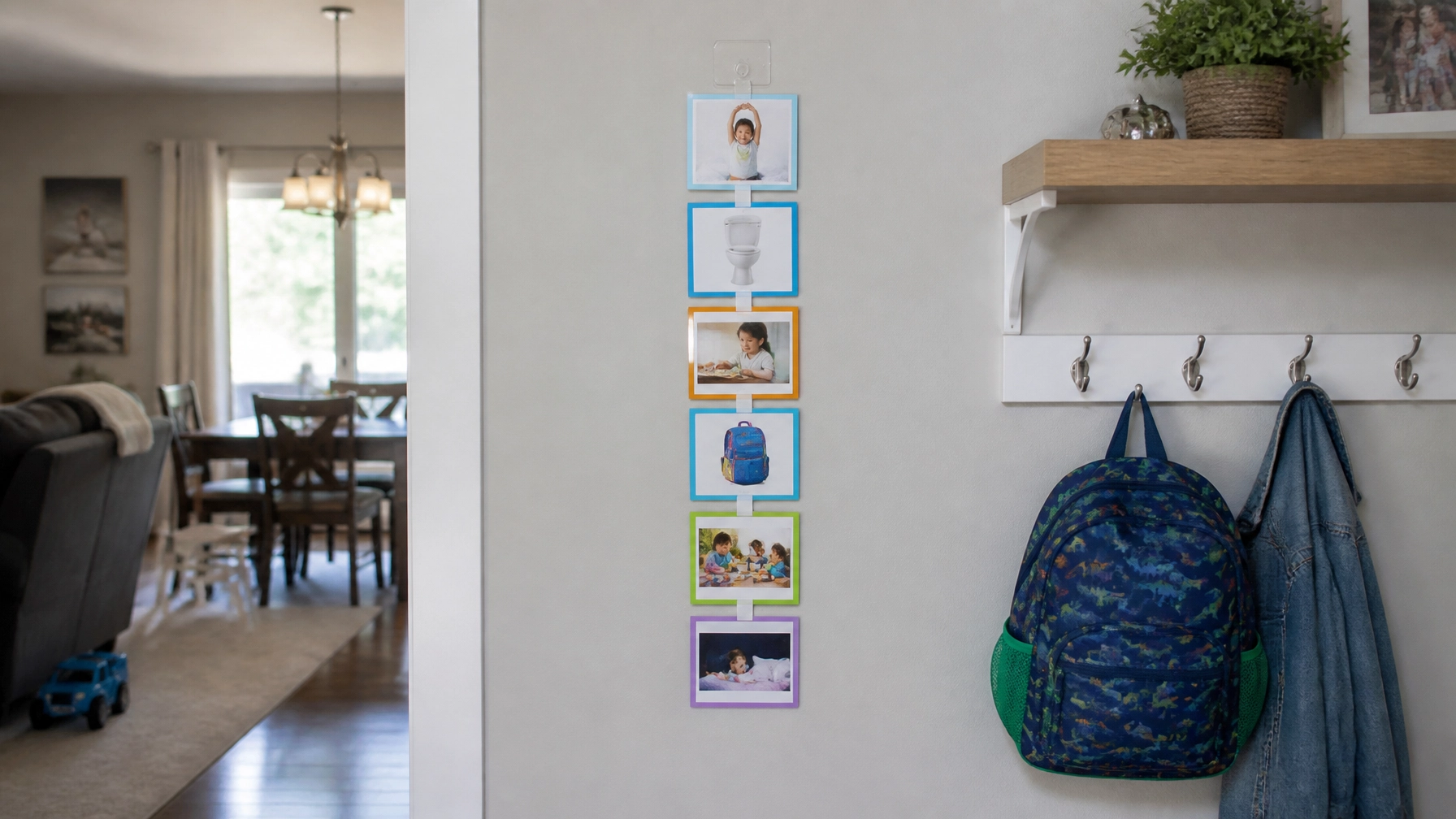
Using these visual cues reduces frustration because the child knows exactly what is coming next. It bridges the communication gap before their verbal skills are fully developed. In many American homes, a visual schedule on the wall, fridge, or a small board near the child's play area can become a practical tool that supports smoother mornings, mealtimes, and transitions.
Waiting for a speech therapist can be one of the hardest parts of the journey. However, you can start fostering communication right now.
For more visual learning, our Building Bridges digital series, specifically Marcus’s Word Adventure, is a wonderful resource. These videos feature Marcus and his magical companion exploring words and problem-solving in a way that is engaging for children on the spectrum. You can find these on our Building Bridges page.
Knowledge is your greatest tool. While you wait for experts, become the expert on your child. Charlene Pinnock, the founder of We Are Autism, started her journey just like many of you, learning how to navigate the system as a mother while supporting her son Marcus after his autism and hyperlexia diagnosis. She didn't just wait, she educated herself, became a Registered Behavioral Technician, and wrote books to help others understand her son's world.
Reading inclusive books with your child is a beautiful way to foster connection and understanding.

Our featured books, such as "Marcus Good Boy" and the "Fearfully and Wonderfully Made" series (including titles like Some Differences Are Invisible and Nia Goes Where She Chooses), are designed to celebrate differences. They teach kindness, empathy, and inclusion, helping both you and your child navigate the social aspects of autism with confidence. You can explore these titles in our online shop.
The most dangerous part of the waitlist is the isolation. It is easy to feel like you are the only one struggling, but there is a whole community waiting to walk alongside you.

At We Are Autism, we prioritize Community and Support Networks over the idea of "going it alone."
Being on a waitlist is frustrating, but it is not wasted time. Every moment you spend playing on the rug, every visual schedule you stick to the fridge, and every page you read from Marcus Good Boy is a step forward.
You are doing a great job. Your child is lucky to have you as their advocate. Remember, we are here to bridge the gap between where you are and where you want to be.
If you need immediate encouragement or resources, please reach out to us at www.we-are-autism.org. Let’s navigate this journey together, with confidence and connection.

Charlene Pinnock is the Founder and Executive Director of We Are Autism, a nonprofit organization dedicated to supporting, educating, and empowering autism families. As the mother of a son on the autism spectrum, she combines lived experience with advocacy to provide practical resources, parent education, and a supportive community where no family has to walk this journey alone.
.avif)