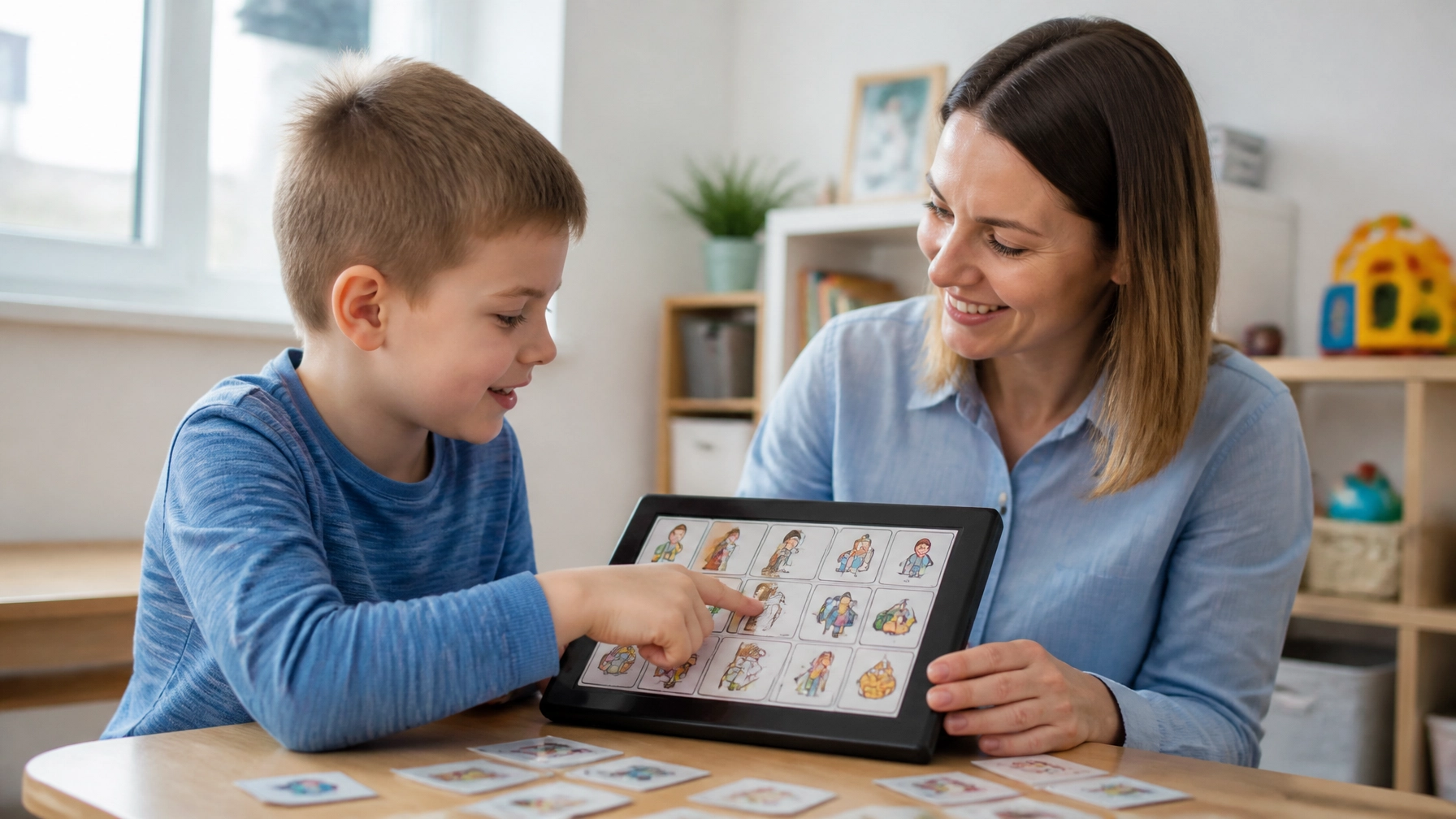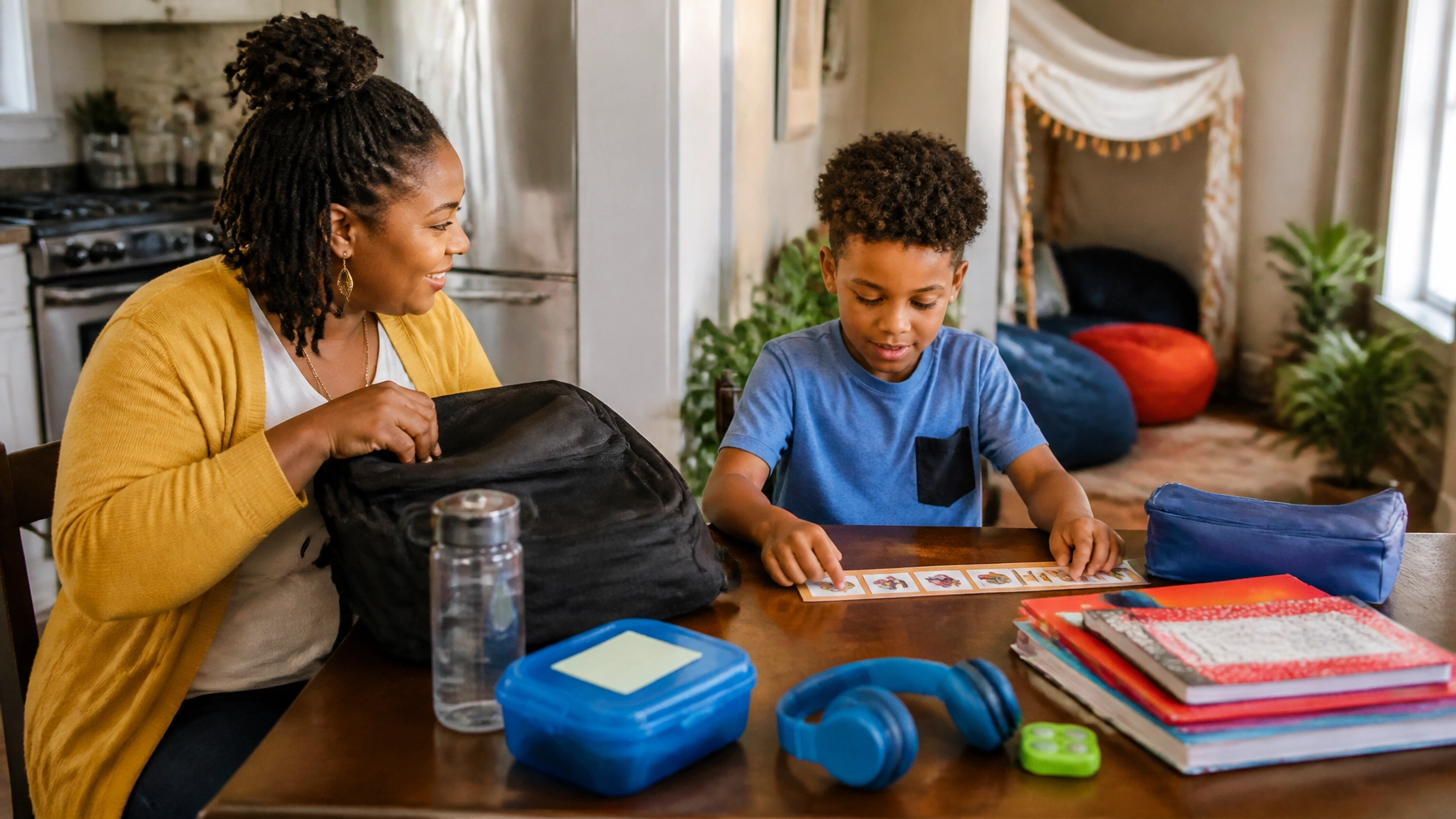
If you have recently heard the word "autism" in relation to your child, take a deep breath. You are in the right place. Maybe you’ve spent late nights on Google, or perhaps you’ve been watching your little one play and wondering why they seem to experience the world a bit differently than other kids.
At We Are Autism, we know exactly what that feels like. Our founder, Charlene Pinnock, started this journey just like you: as a mother looking for answers for her son, Marcus. When Marcus was diagnosed with autism and hyperlexia, Charlene realized that parents didn't just need clinical definitions; they needed a community, practical resources, and a reminder that their child is "fearfully and wonderfully made."
In this guide, we’re going to break down what autism really is (and isn't), help you understand the "spectrum," and give you the tools to support your child with confidence.
First thing’s first: Autism is not a disease. You cannot "catch" it, and it doesn't need to be "cured."
Autism (or Autism Spectrum Disorder) is a neurodevelopmental difference. In simpler terms, it means your child’s brain is wired differently. It’s like having a different operating system: while most people might be running "Windows," your child might be running a unique, specialized version of "macOS." Neither is broken; they just process information, sounds, and social cues in their own unique ways.
For many of us, especially in communities where disability wasn't often discussed openly, a diagnosis can feel heavy. But understanding autism is the first step in moving from a place of "What's wrong?" to a place of "How can I help my child thrive?"
We often hear the word "spectrum" and imagine a straight line going from "a little bit autistic" to "very autistic." But the autism spectrum is actually more like a color wheel.
Every child on the spectrum has a unique mix of strengths and challenges. One child might be a math genius but find it hard to make eye contact. Another might be incredibly social and talkative but feel physically pained by the sound of a vacuum cleaner.
At We Are Autism, we focus on the whole child. Whether your child has limited speech or is highly verbal, they have a voice and a way of communicating. Our goal is to help you learn how to listen.

If you are currently in the "suspecting" phase or have a newly diagnosed toddler, you might notice some of these common traits. Remember, no two children are the same, but these are some of the ways autism often shows up:
You might notice that your child:
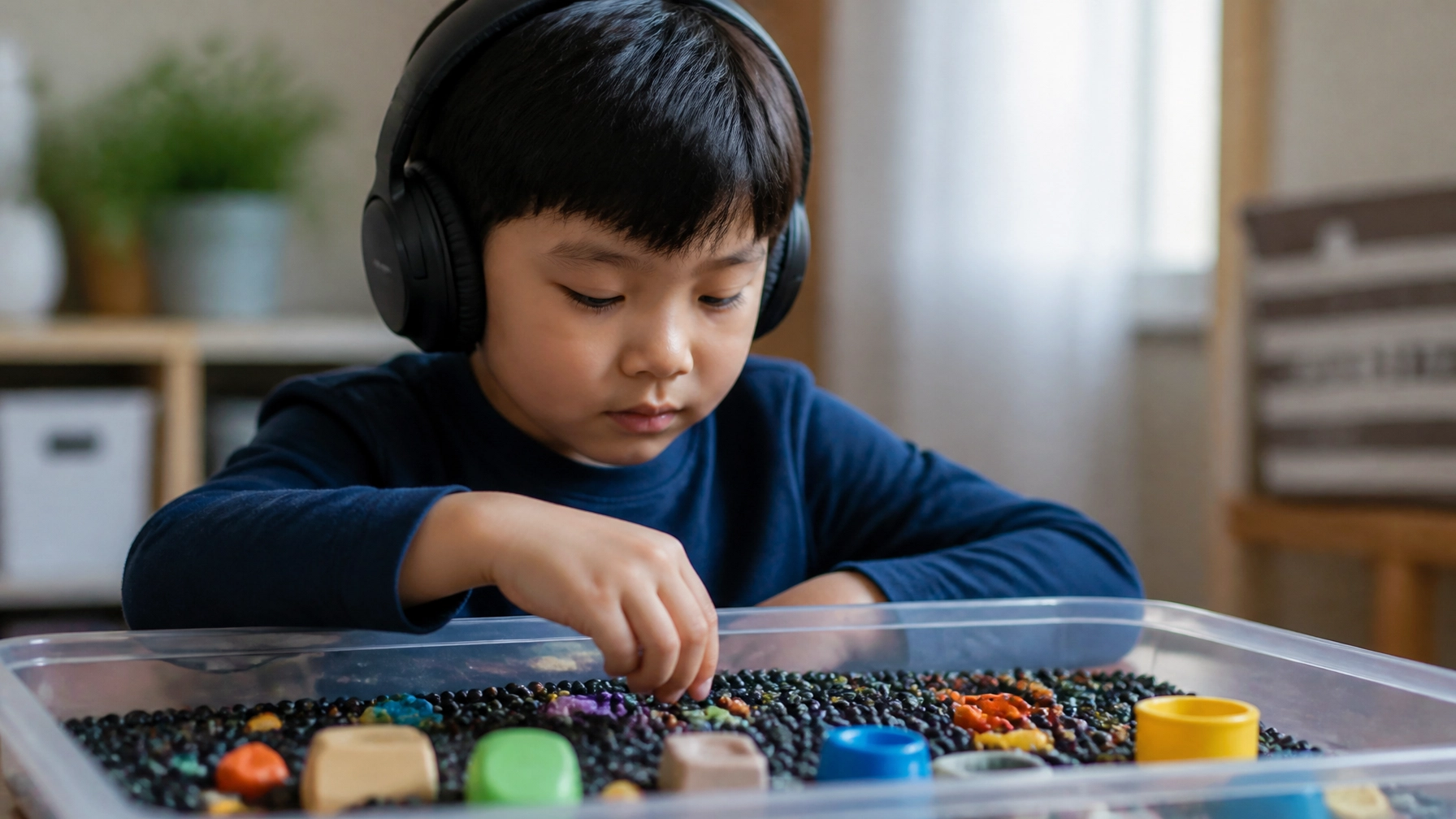
This is a big one! Many autistic children are either "sensory seekers" or "sensory avoiders."
Does your child line up their cars in a perfect row instead of "racing" them? Do they have an intense, expert-level passion for trains, dinosaurs, or vacuum cleaners? These repetitive behaviors (often called "stimming") and deep interests are actually ways children on the spectrum regulate their emotions and find joy.
The days following a diagnosis can be overwhelming. You might be told there’s a long waitlist for services, or you might feel lost once formal therapy sessions end for the day. That is exactly why We Are Autism exists. We want to provide autism support for parents that is practical and accessible.
One of the best ways to help your child (and their siblings!) understand their differences is through storytelling. Charlene wrote Marcus Good Boy to help answer the many questions people had about Marcus. Our Fearfully and Wonderfully Made series features books like Some Differences Are Invisible and Nia Goes Where She Chooses, which teach kindness, empathy, and inclusion from a young age.
We know that parents are busy. Sometimes you just need a quick, encouraging video that explains a strategy you can use right now. Our Building Bridges educational media series includes Marcus’s Word Adventure for kids and helpful videos for adults that cover sensory needs, communication, and everyday challenges.

Sometimes, you just need to talk to someone who has walked this path before. Our "Talk to Aunty Charlene" sessions provide a safe, supportive space for parents and caregivers to ask questions and find encouragement. You don’t have to navigate this journey alone.
Parenting a child with autism comes with its own set of "mountains," but it also comes with incredible "valleys" of joy that other parents might miss. You will celebrate milestones that others take for granted. You will learn to see the world through your child’s eyes: a world that is often more vibrant, detailed, and honest.
If you are looking for autism resources for families, we invite you to join our community. Whether it’s through our support groups, our parent education programs, or simply reading a blog post like this one, we are here to walk alongside you.
Your child is not their diagnosis. They are a unique individual with a bright future, and you are exactly the parent they need.
Ready to learn more?
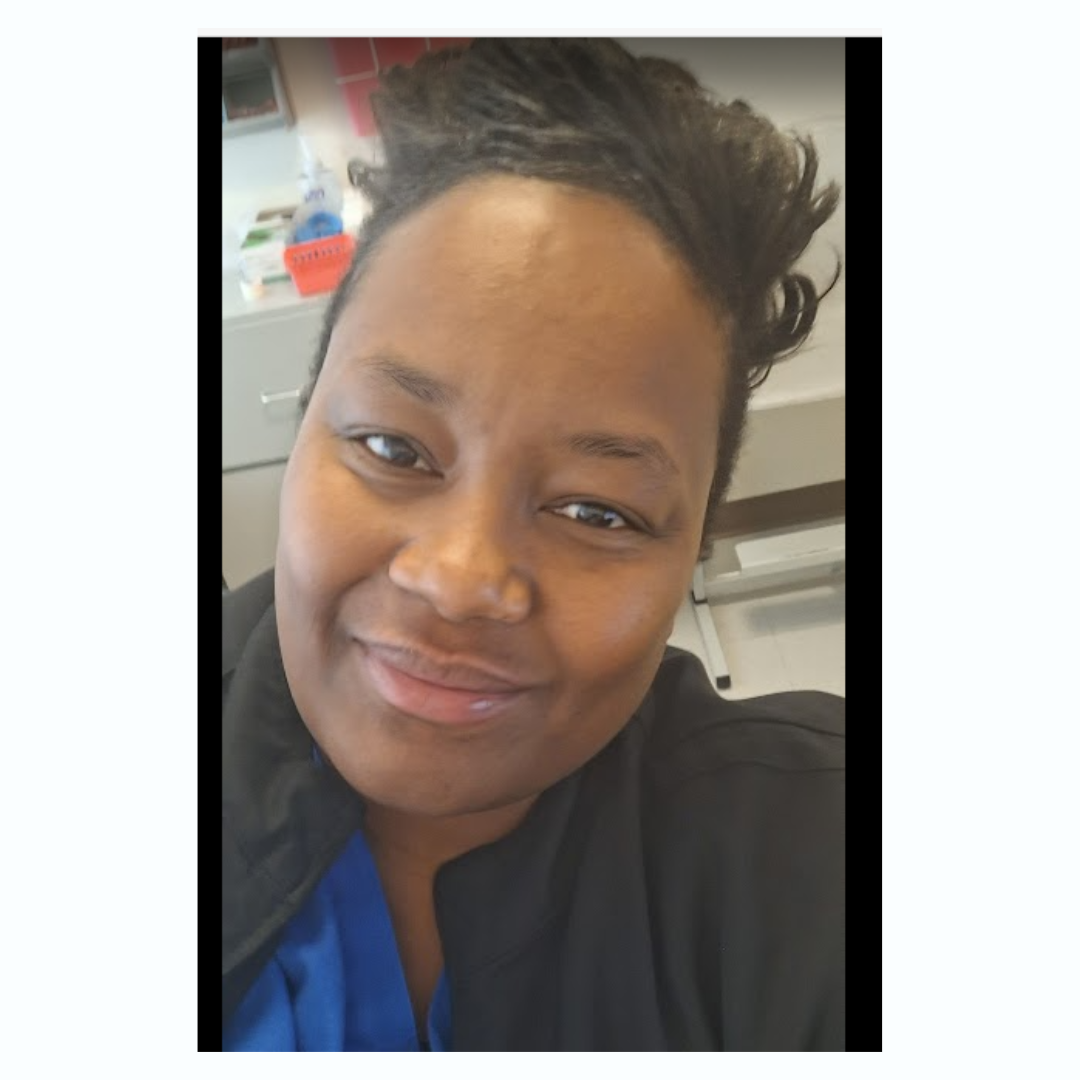
Charlene Pinnock is the Founder and Executive Director of We Are Autism, a nonprofit organization dedicated to supporting, educating, and empowering autism families. As the mother of a son on the autism spectrum, she combines lived experience with advocacy to provide practical resources, parent education, and a supportive community where no family has to walk this journey alone.
.avif)