Hey there, family. If you’ve ever felt like your child is a walking contradiction, you are not alone. Maybe you’ve noticed that your little one craves a rigid routine but gets bored with it in five minutes. Or perhaps they are incredibly hyperfocused on their favorite hobby but can’t seem to find their shoes even when they’re right in front of them.
For a long time, the medical world treated Autism Spectrum Disorder (ASD) and Attention Deficit Hyperactivity Disorder (ADHD) as two completely separate things. In fact, until 2013, doctors weren't even allowed to diagnose a child with both! But we parents know better. We live the reality every day.
Today, we’re talking about AuDHD, the unofficial but very real term for the intersection of Autism and ADHD. If you’re parenting a child with autism and adhd, you’re navigating a unique and often beautiful (if slightly chaotic) landscape. At We Are Autism, our mission is to walk alongside you, offering the practical support and community you need to navigate this journey with confidence.
The best way to describe the AuDHD experience is as a constant internal tug-of-war.
On one side, you have the Autistic need for predictability. This part of your child’s brain feels safe when things stay the same. They might need the same breakfast every morning, the same route to school, and a clear plan for the day. Routine is their anchor in a world that often feels too loud and unpredictable.
On the other side, you have the ADHD craving for novelty and stimulation. This part of the brain is easily bored and constantly seeking the "next big thing." It’s the part that makes them want to jump into a new hobby with 100% intensity, only to drop it a week later.
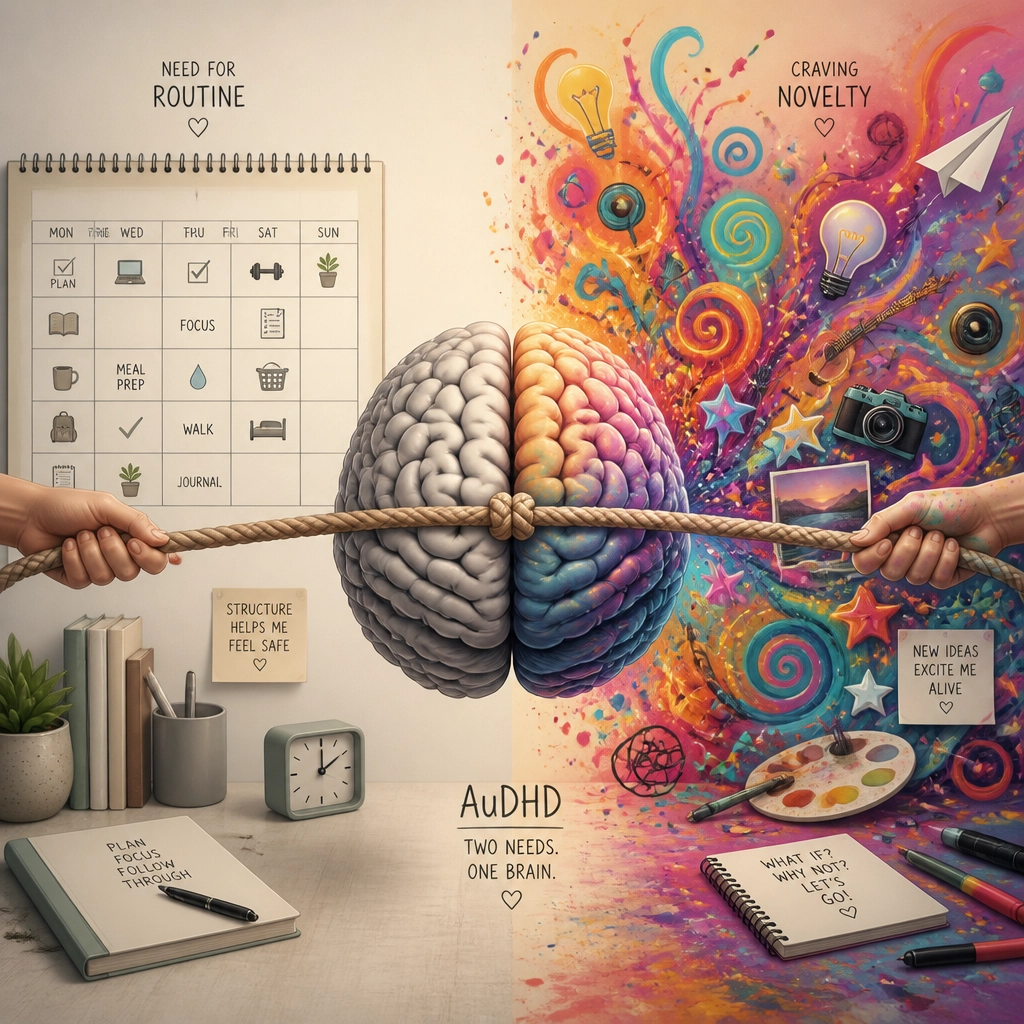
When these two traits live in the same child, it can feel like they are "wired but tired." They might be desperately seeking a change because they’re bored, but the moment things change, their autistic side gets overwhelmed and anxious. As a parent, this can feel like trying to hit a moving target. Understanding that this isn't "bad behavior" but an actual neurological conflict is the first step toward finding peace at home.
While the tug-of-war is real, there are many areas where Autism and ADHD overlap and amplify each other. Understanding these can help you find the right audhd support for parents and caregivers.
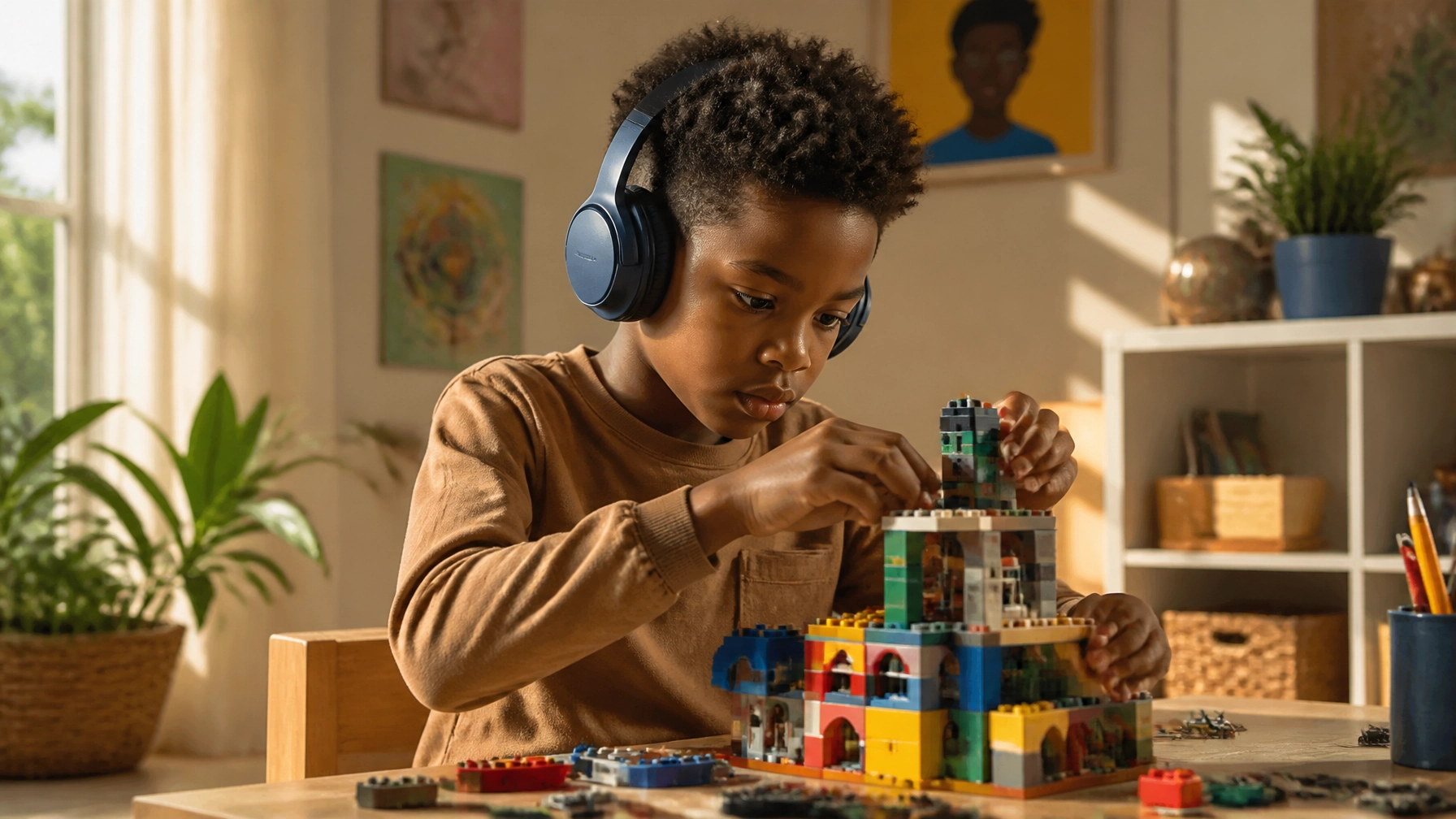
Both autism and adhd in children come with intense sensory profiles. For an AuDHD child, sensory input can be a "yes/no" situation. They might be a "sensory seeker": loving loud music, spinning, or heavy blankets: while simultaneously being "sensory avoidant" of certain smells or the texture of their clothing.
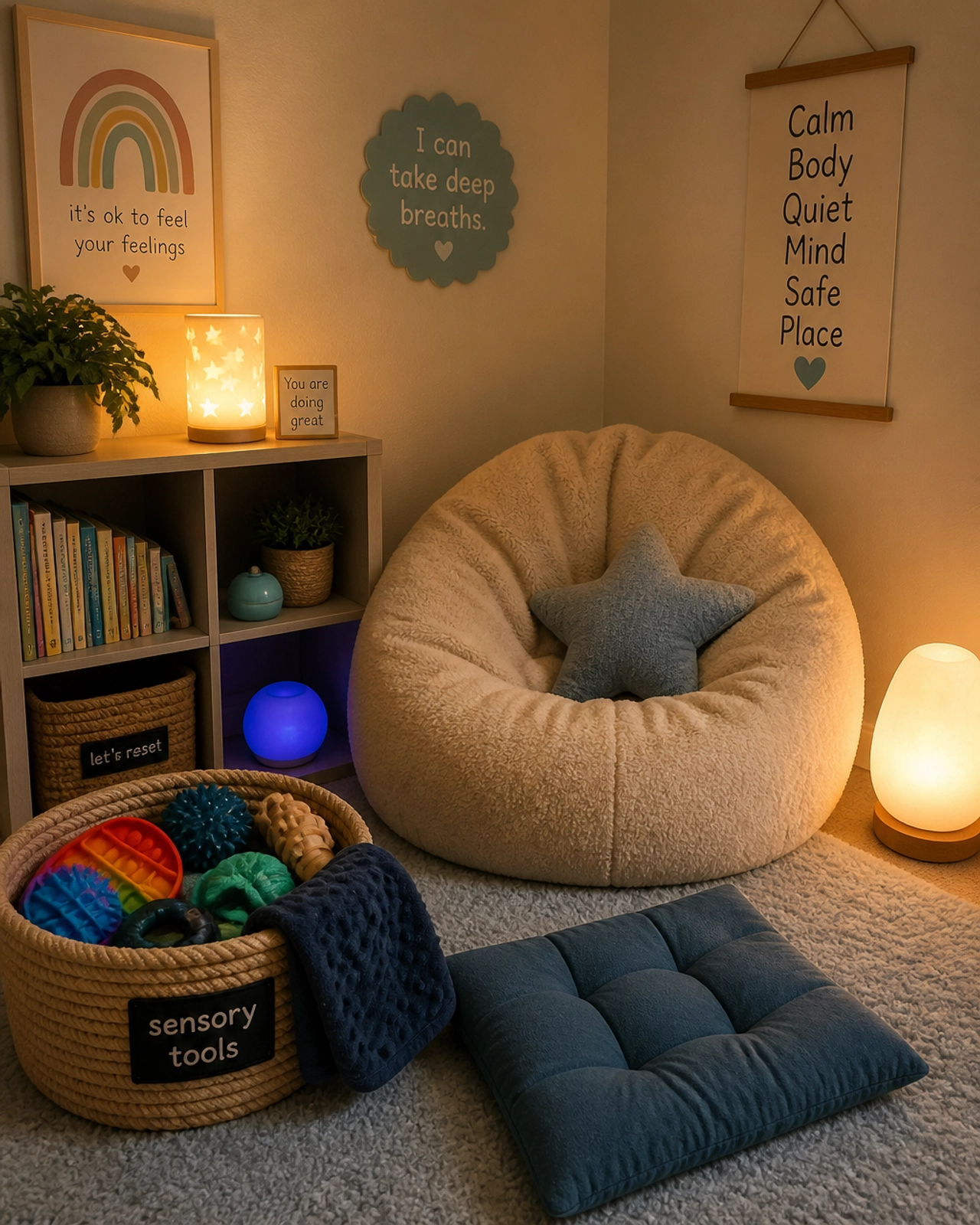
Creating a "safe base" at home is essential. This means having a dedicated sensory-friendly space where your child can retreat when the world gets too "loud."
This is the "manager" of the brain. It helps us plan, organize, remember things, and start tasks. In AuDHD children, the "manager" is often on a permanent coffee break.
This leads to what we call "executive dysfunction." It’s why your child might be a genius at coding or drawing but can’t remember the three-step instruction you just gave them.
Both conditions make it harder to hit the "pause" button on big feelings. When you combine the impulsivity of ADHD with the sensory overwhelm of Autism, you often get "meltdowns" that feel like they come out of nowhere. These aren't tantrums: they are a brain that has simply run out of fuel.
Parenting a child with autism and adhd requires a different toolkit. Here are a few ways to support your child (and yourself):
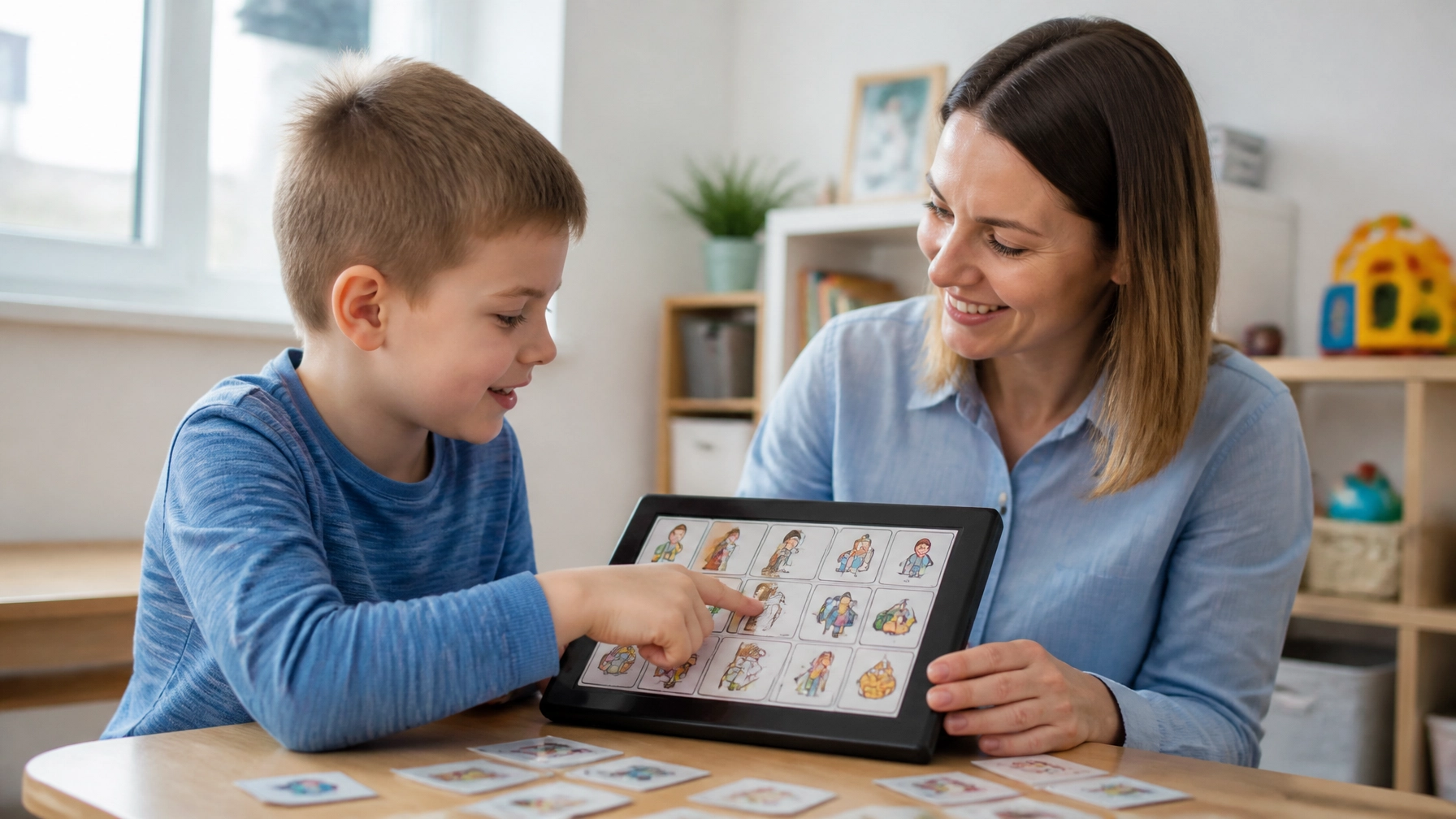
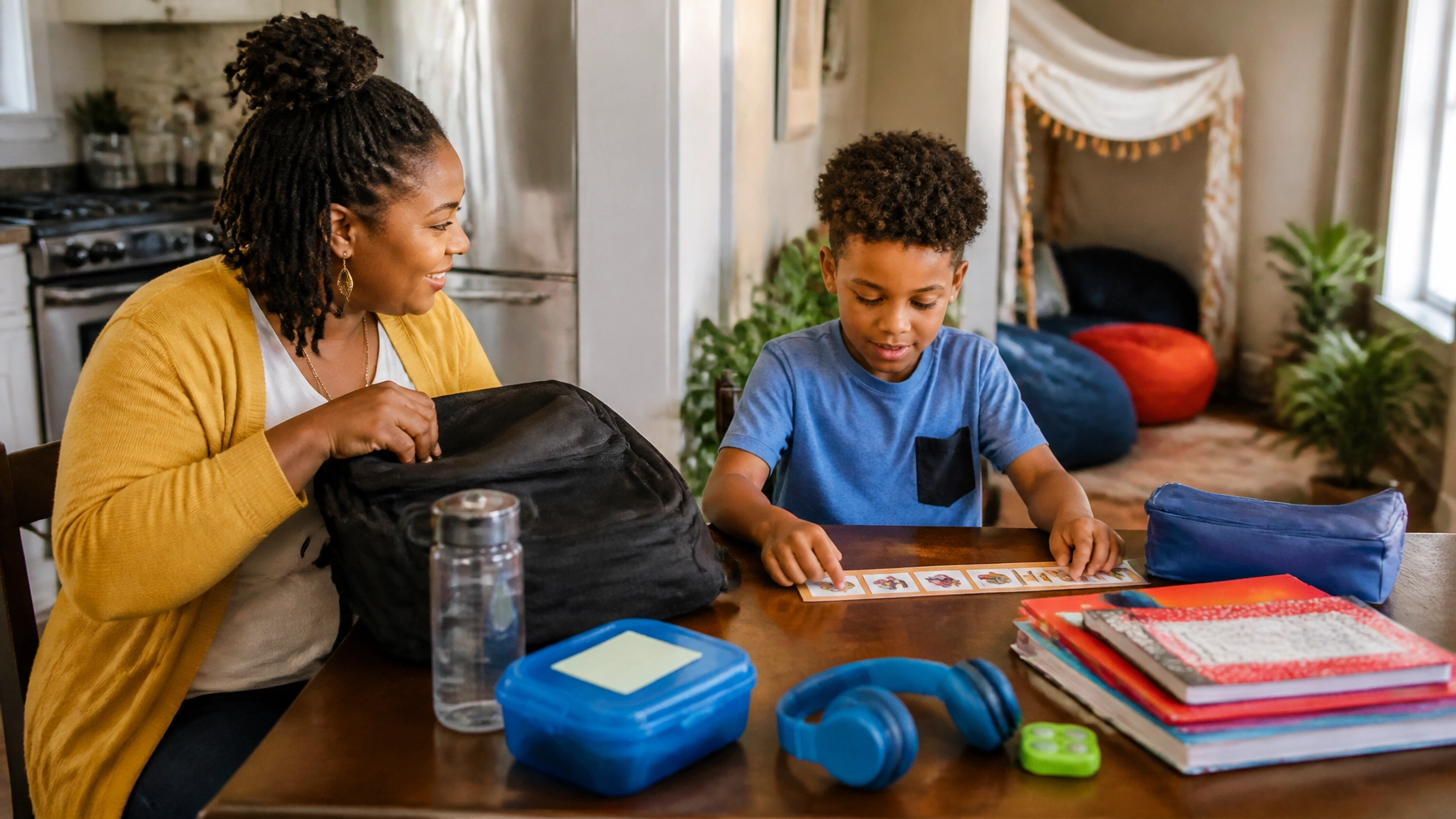
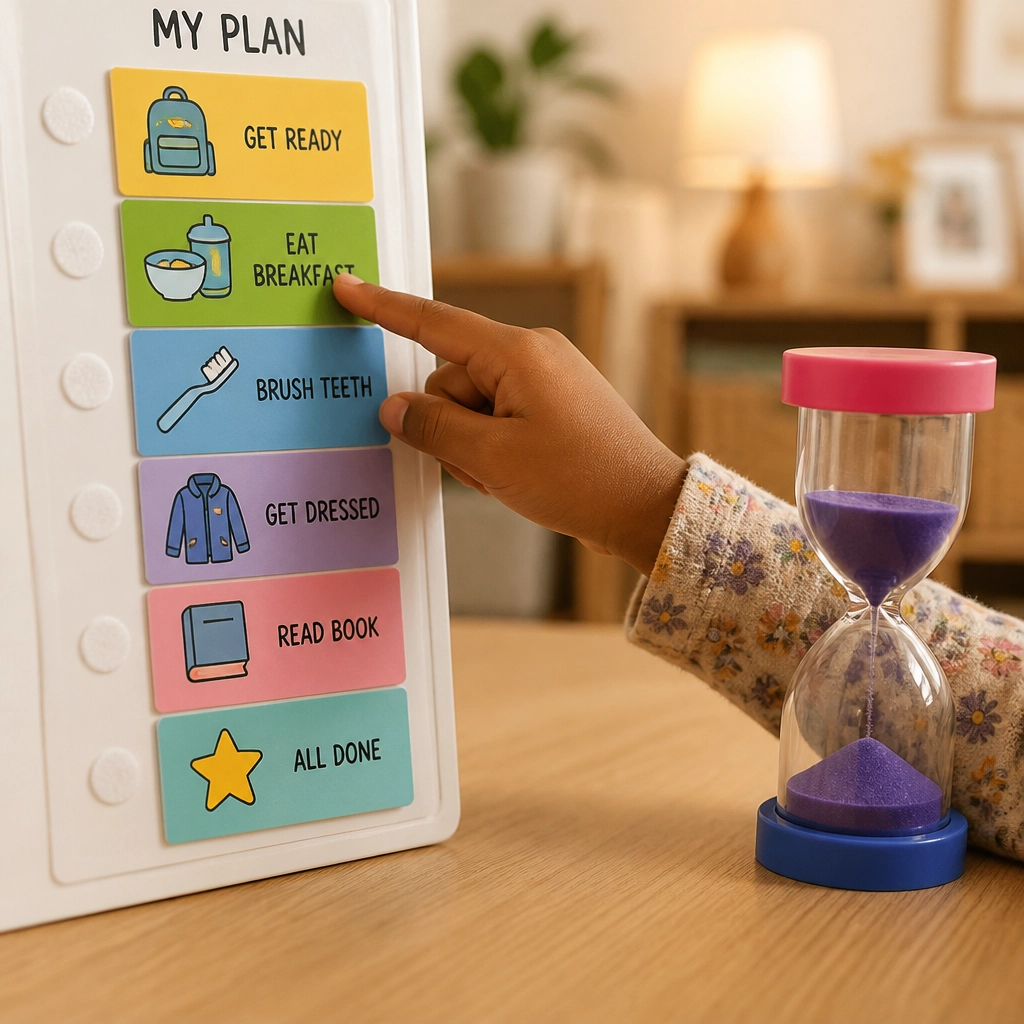
Since the AuDHD brain struggles with "working memory" (remembering things in the moment), visual aids are a lifesaver. A colorful visual schedule or a sand timer can help satisfy the need for routine while giving the ADHD brain a "countdown" to look forward to.
Many of our kids spend their whole day "masking" at school: trying to act "normal" and keep it all together. By the time they get home, they are exhausted. Creating a "low-demand" environment at home means letting go of the small stuff. If they need to eat dinner while pacing around the table, or if they need two hours of quiet time before doing homework, that’s okay. Focus on connection over compliance.
It’s easy to get caught up in the "deficits," but AuDHD kids have incredible strengths. They are often creative, out-of-the-box thinkers with a deep sense of justice and intense passions. At We Are Autism, we love celebrating these differences through our community storytelling. Whether it’s through the eyes of characters in books like Marcus Good Boy or A Lesson in Kindness, highlighting neurodivergent joy is just as important as managing the challenges.
We know that sometimes you just need to talk to someone who gets it. You don't need a clinical lecture; you need a friend who knows what a Tuesday morning meltdown feels like.
That’s why we offer Talk to Aunty Charlene: a space where you can get encouragement and guidance from someone who has been in your shoes. We also invite you to explore our Building Bridges educational media, which features videos for both kids and adults to help navigate things like communication and sensory needs.
If you’re looking for a community that understands the unique nuances of raising a child on the spectrum, consider joining one of our support groups. You don't have to do this alone.
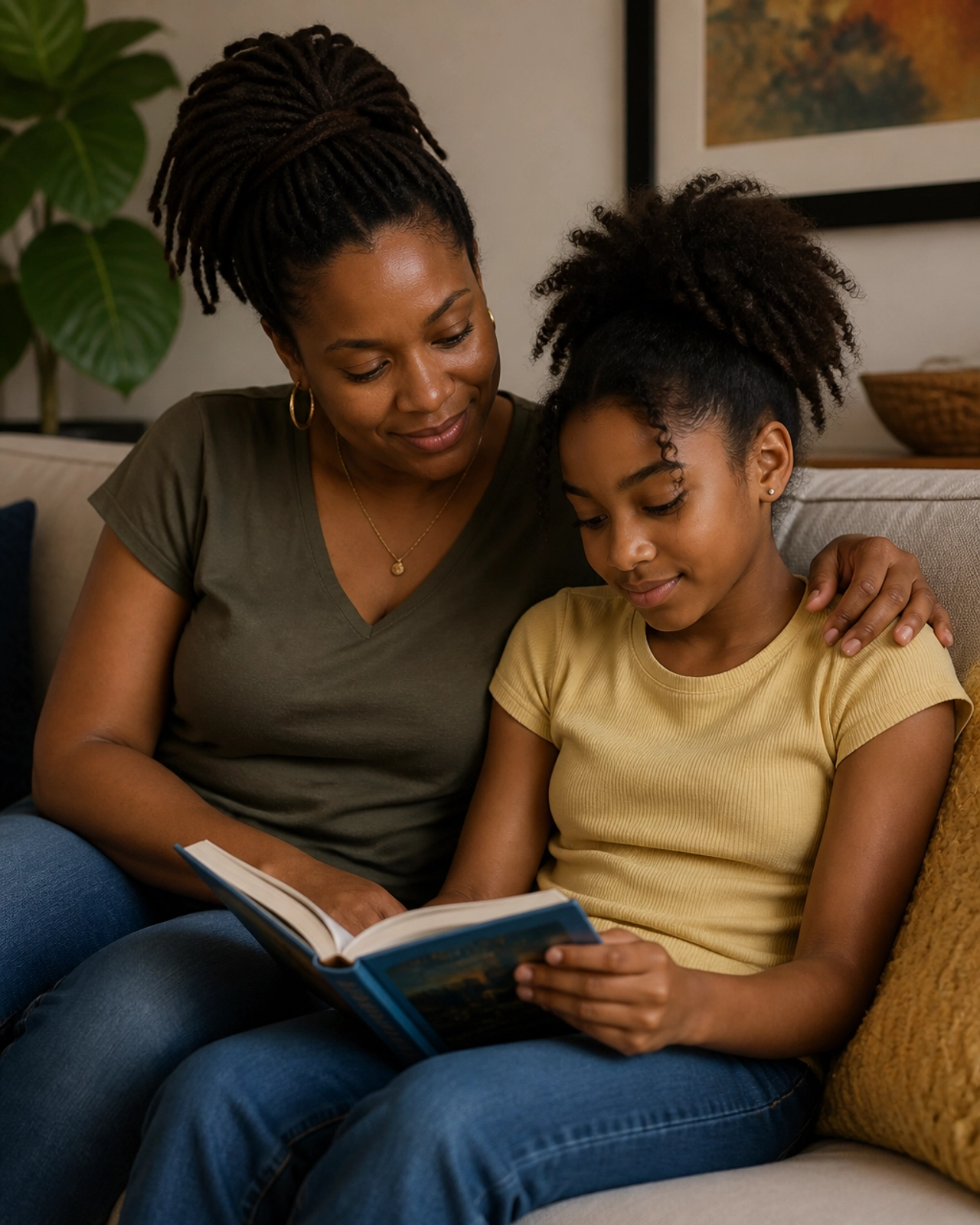
Parenting an AuDHD child is a marathon, not a sprint. Some days will feel like you’re winning, and other days will feel like you’re just trying to keep your head above water. On those tough days, remember that your child’s brain is just wired a little differently: and so is yours for having the strength to guide them.
We are here to provide the autism resources for families that make a real difference. Keep advocating, keep loving, and keep reaching out. We’ve got you.
Looking for more resources? Check out our full library of educational articles or browse our collection of inclusive children’s books that celebrate every kind of brain.

Charlene Pinnock is the Founder and Executive Director of We Are Autism, a nonprofit organization dedicated to supporting, educating, and empowering autism families. As the mother of a son on the autism spectrum, she combines lived experience with advocacy to provide practical resources, parent education, and a supportive community where no family has to walk this journey alone.
.avif)