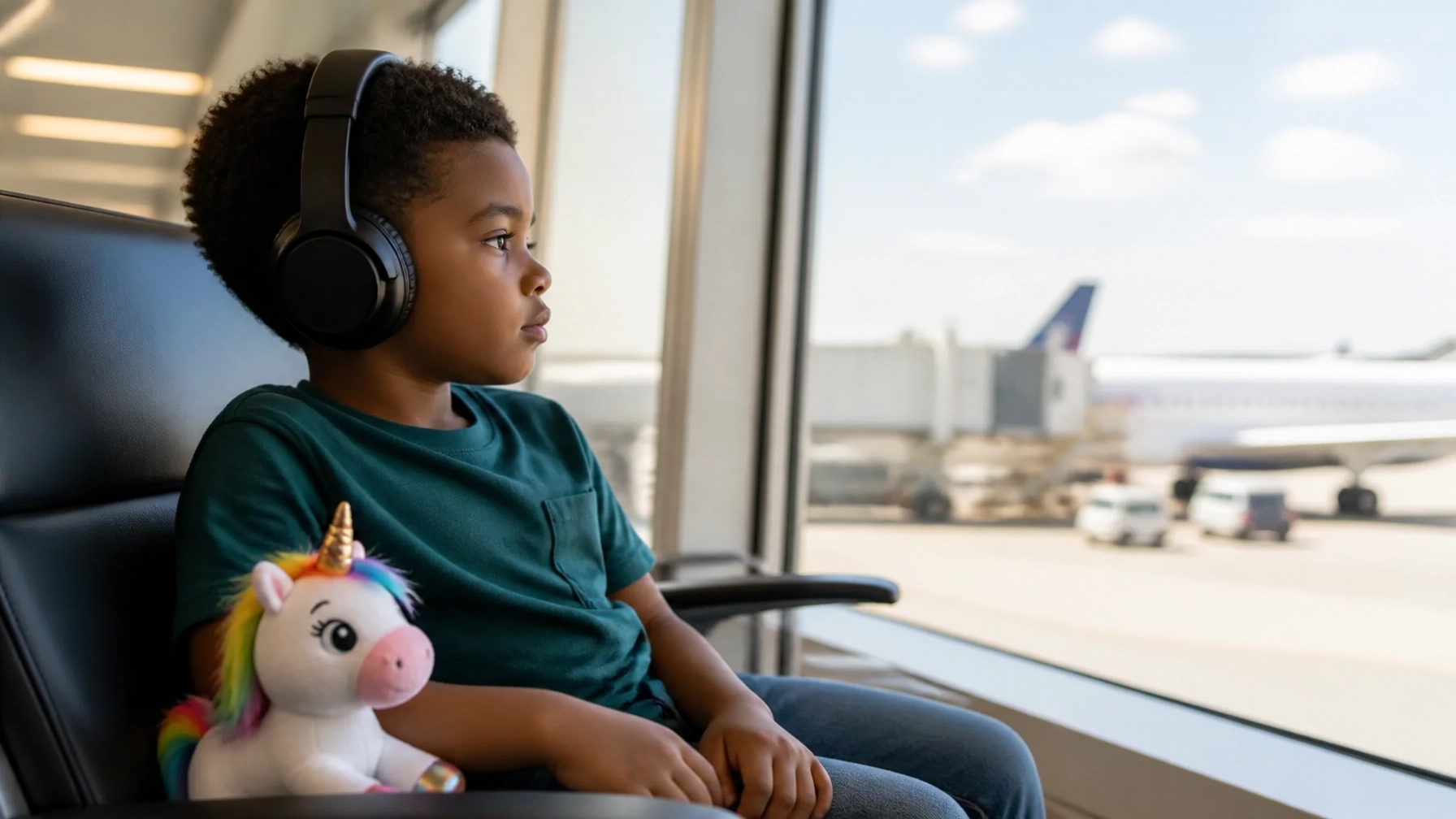
Let’s be real for a second: traveling with a child on the spectrum can feel like preparing for a high-stakes mission. Between the echoing announcements, the bright fluorescent lights, the "hurry up and wait" of security lines, and the unpredictable nature of delays, airports are basically a giant sensory obstacle course.
If the thought of taking your little one through a terminal makes your heart race, you are definitely not alone. At We Are Autism, we know that for our families, a "vacation" often starts with a lot of heavy lifting. But here’s the good news: with the right autism sensory strategies, you can turn that overwhelming mission into a manageable journey.
We’ve walked this path with Marcus, and we’ve learned that the secret isn’t just in the packing: it’s in the preparation. Whether you’re heading home to see family in Jamaica or taking a much-needed break, here is your practical, parent-to-parent guide to navigating the airport with confidence.
You wouldn’t walk into a marathon without training, and the same goes for flying. For many autistic children, the biggest trigger is the unknown. When a child doesn't know what’s coming next, anxiety levels skyrocket.
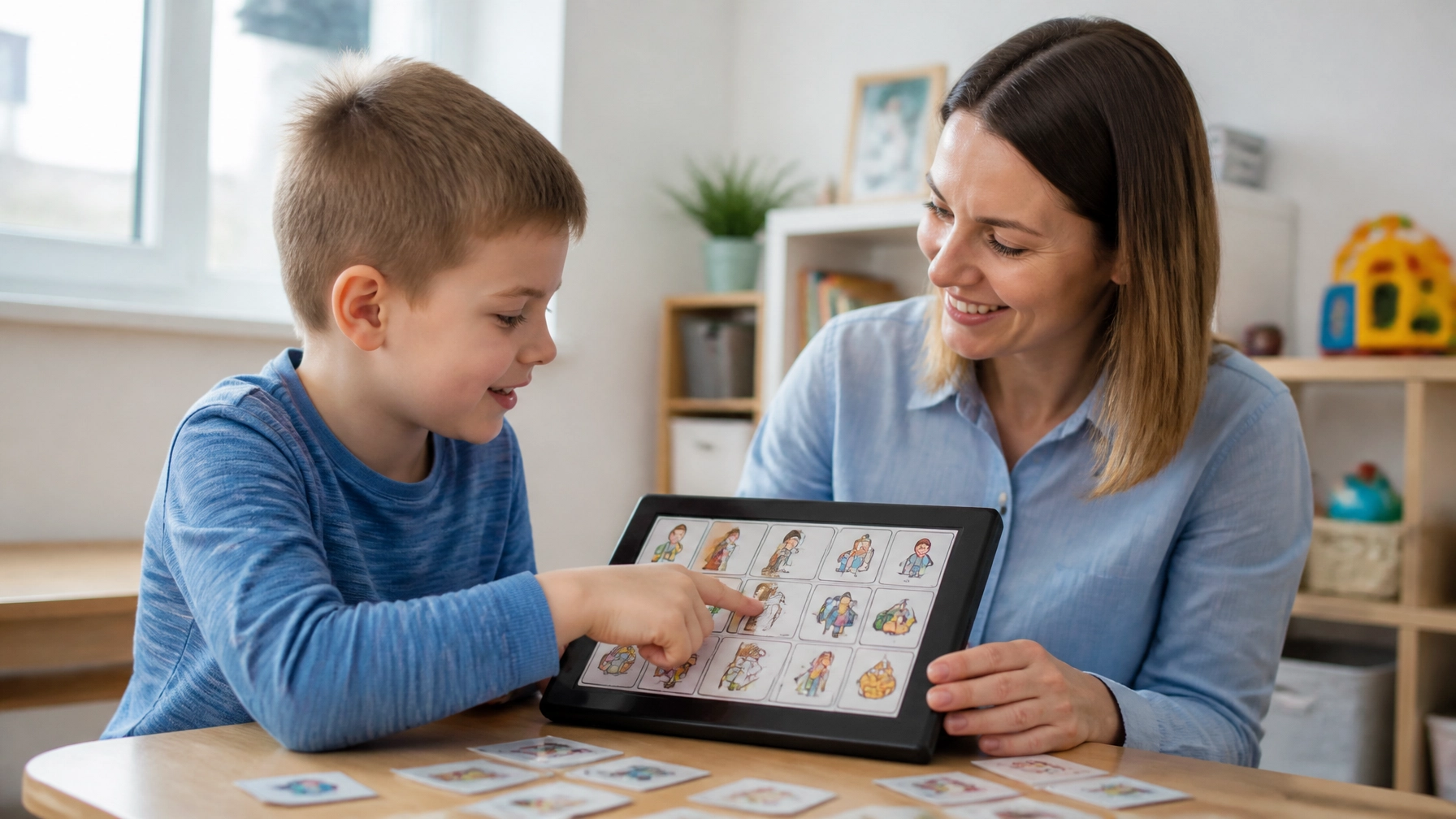
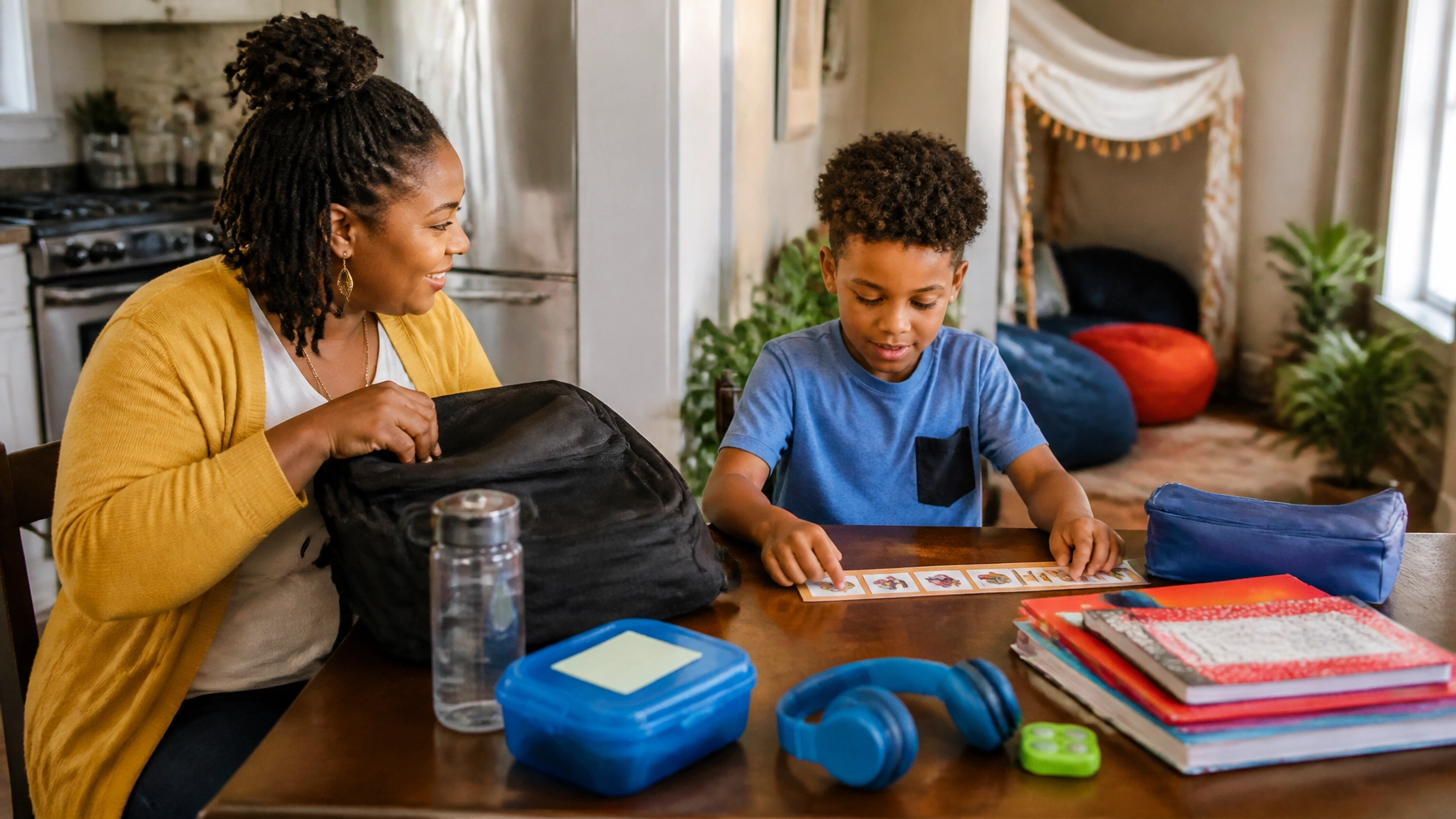
One of the most effective autism resources for families is the "Social Story." This is just a simple, step-by-step guide: using pictures and plain language: that explains exactly what will happen. Start reading this with your child a few weeks before the trip.
If you can, take a trip to the airport just to watch the planes from a distance or walk around the public areas. If that’s not possible, use our Building Bridges videos to show your child what airports look like. Familiarity breeds comfort. Watching Marcus in Marcus’s Word Adventure can also be a great way to engage your child in a calm, familiar routine before introducing the "newness" of travel.
Before you even leave for the airport, let your child do some "heavy work." This could be pushing a heavy laundry basket, jumping on a trampoline, or doing "wall pushes." This proprioceptive input helps regulate the nervous system, making it easier for them to handle the sensory chaos of the terminal later.
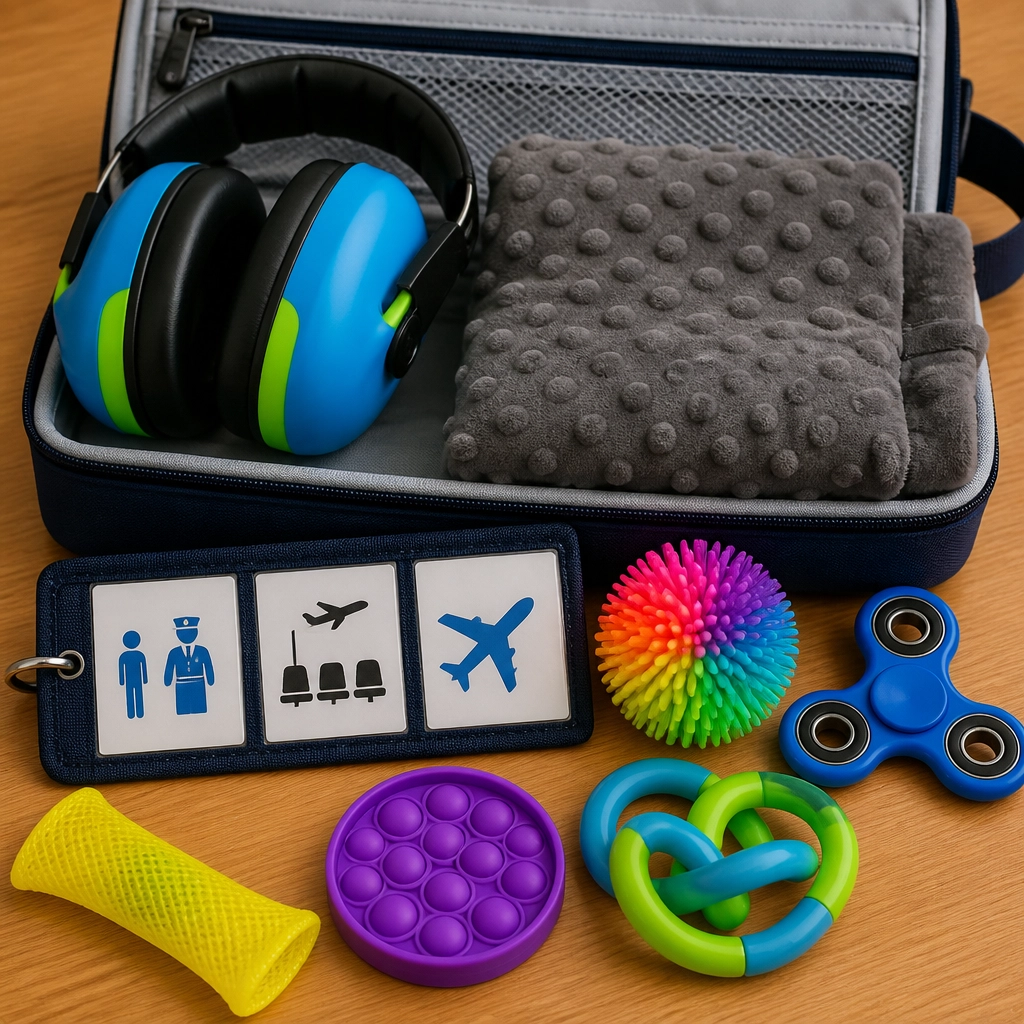
Your carry-on bag is your lifeline. You want a mix of things that block out the world and things that provide a familiar "anchor."
Once you step through those sliding glass doors, the clock starts. Here is how to manage the environment:
Did you know the TSA has a dedicated program for travelers with disabilities? It’s called TSA Cares. If you call them at least 72 hours before your flight, they can often arrange for a representative to meet you and help guide your family through the security process. This can be a literal lifesaver when the lines are long and your child is starting to feel the "sensory itch."
Many modern airports now have dedicated sensory rooms. These are quiet, dimly lit spaces where your child can decompress. If your airport doesn’t have one, look for empty gates or a quiet corner in a chapel or "meditation room." Use this time to refer back to your visual schedule.
Airlines usually offer pre-boarding for families with disabilities. For many, this is great because it lets you get settled without the crowd. However, some parents prefer to board last so their child spends less time sitting on the cramped plane. Know your child: if they need a "nest" to feel safe, go early. If they have too much "wiggle" energy, wait it out at the gate.
You made it through security! Now, you just have to manage the flight itself.
Takeoff and landing can be scary because of the "popping" sensation in the ears. If your child can chew gum or suck on a lollipop, that helps. If not, chewy jewelry or even a crunchy snack like crackers can provide that oral sensory input to help their ears adjust.
Now is not the time to limit screen time! Load up a tablet with their favorite movies or educational shows. If they are fans of the Fearfully and Wonderfully Made series, reading books like Marcus Good Boy or Janelle Sees the World Up Close together can be a wonderful way to pass the time with stories that represent them. You can find these in our online shop.
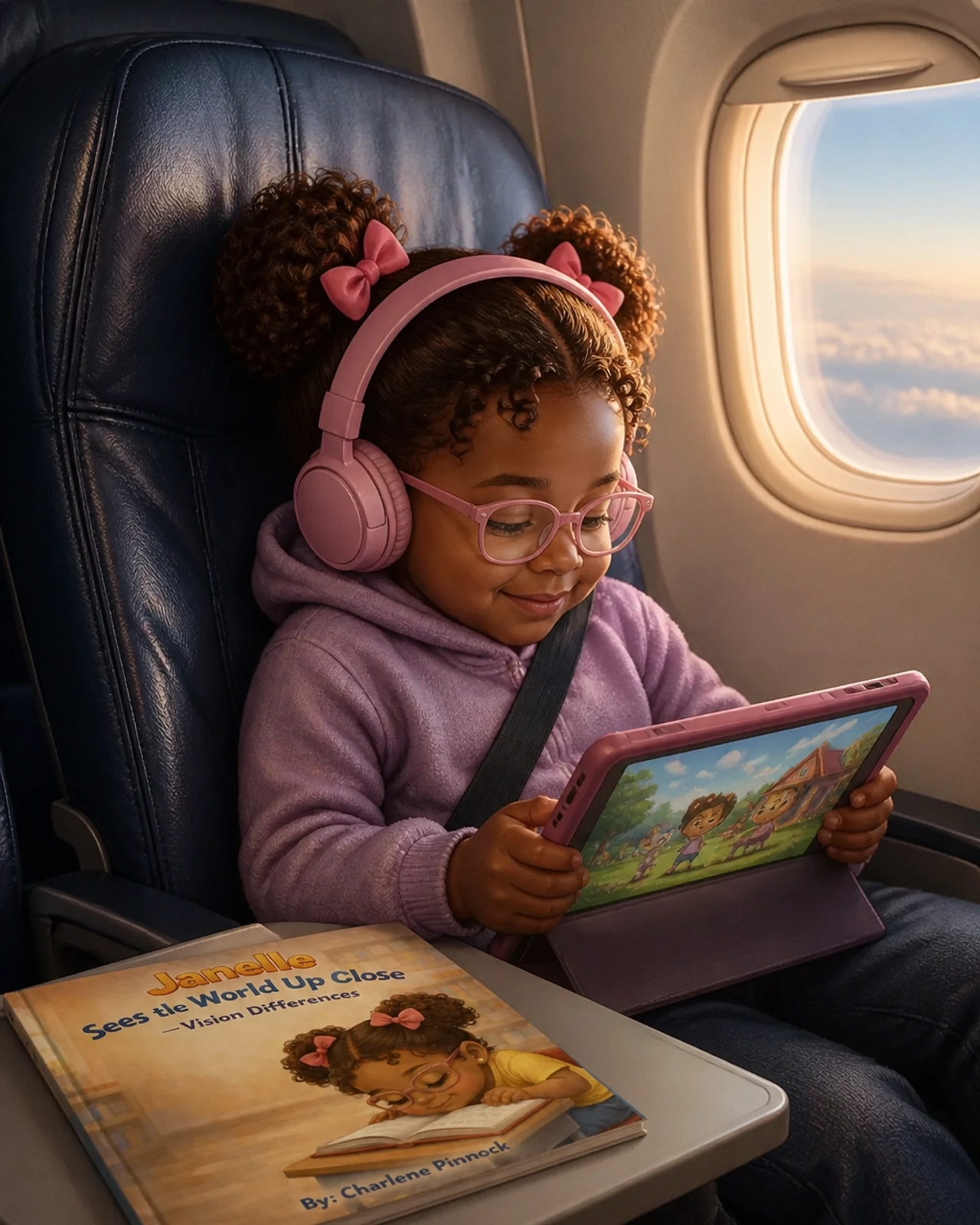
Use a hoodie or a small weighted lap pad to create a sense of boundaries. Being in a small seat with people all around can feel invasive. A hoodie with the hood up provides a "private room" feeling that can be very soothing.
We’ve all been there: the moment when the sensory overload becomes too much and a meltdown happens in the middle of the terminal. If that happens, take a deep breath. You are doing an amazing job. The opinions of strangers don't matter; your child's needs do.
If you need more specific advice or just a place to vent and find community, join one of our support groups. We are here to walk alongside you. You can also check out our educational articles for more tips on everyday challenges.
Traveling might be a little different for our families, but it is possible. With a bit of prep and a whole lot of love, you can give your child the world: one flight at a time.
Safe travels, and remember: you’ve got this!
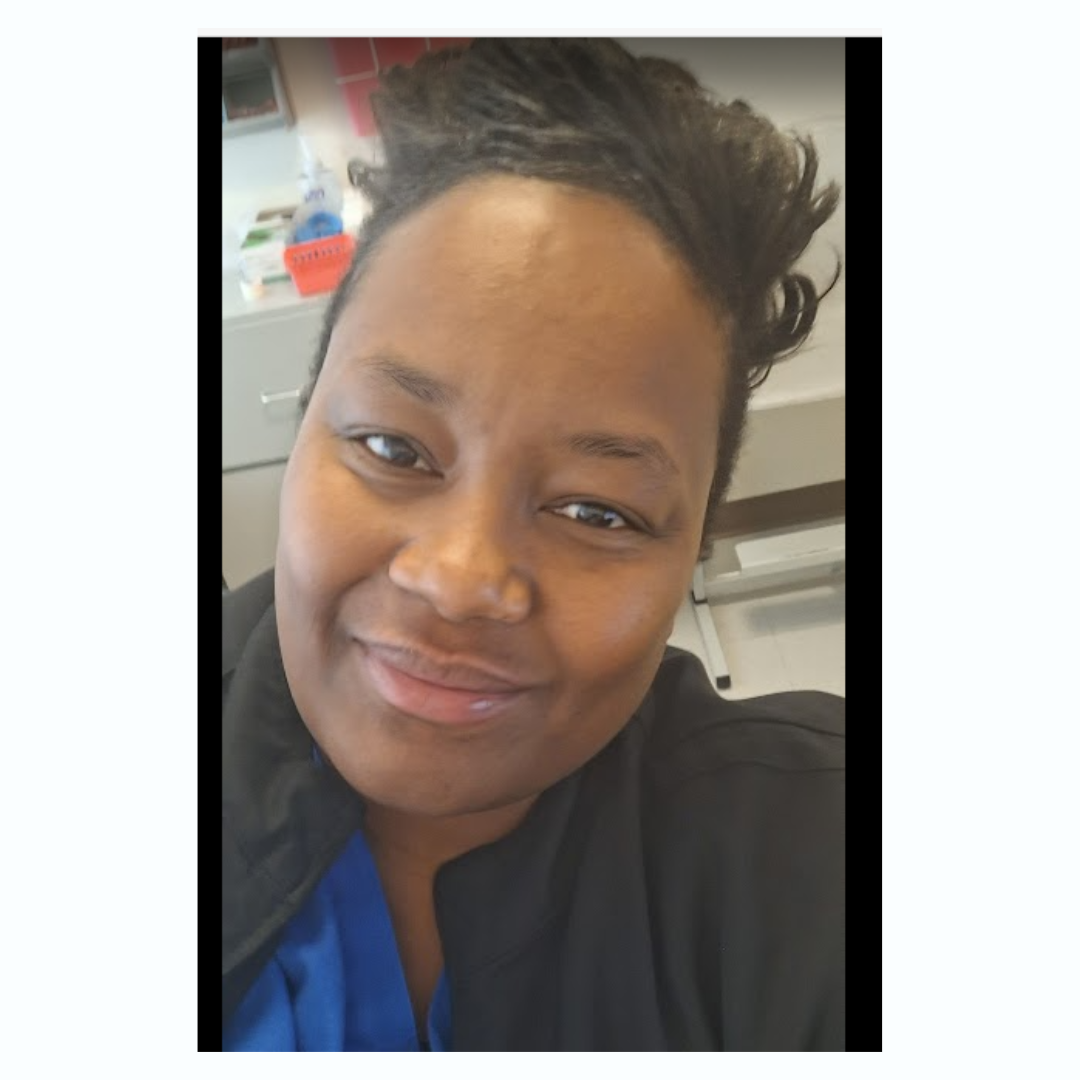
Charlene Pinnock is the founder and executive director of We Are Autism, a nonprofit organization dedicated to supporting, educating, and empowering parents and caregivers of children on the autism spectrum. As a mother of a son with autism and hyperlexia, Charlene combines personal experience with advocacy, education, and community outreach to help families feel seen, supported, and understood. Her work focuses on autism awareness, parent empowerment, culturally inclusive support, and creating practical resources that strengthen families both at home and within the community.
.avif)