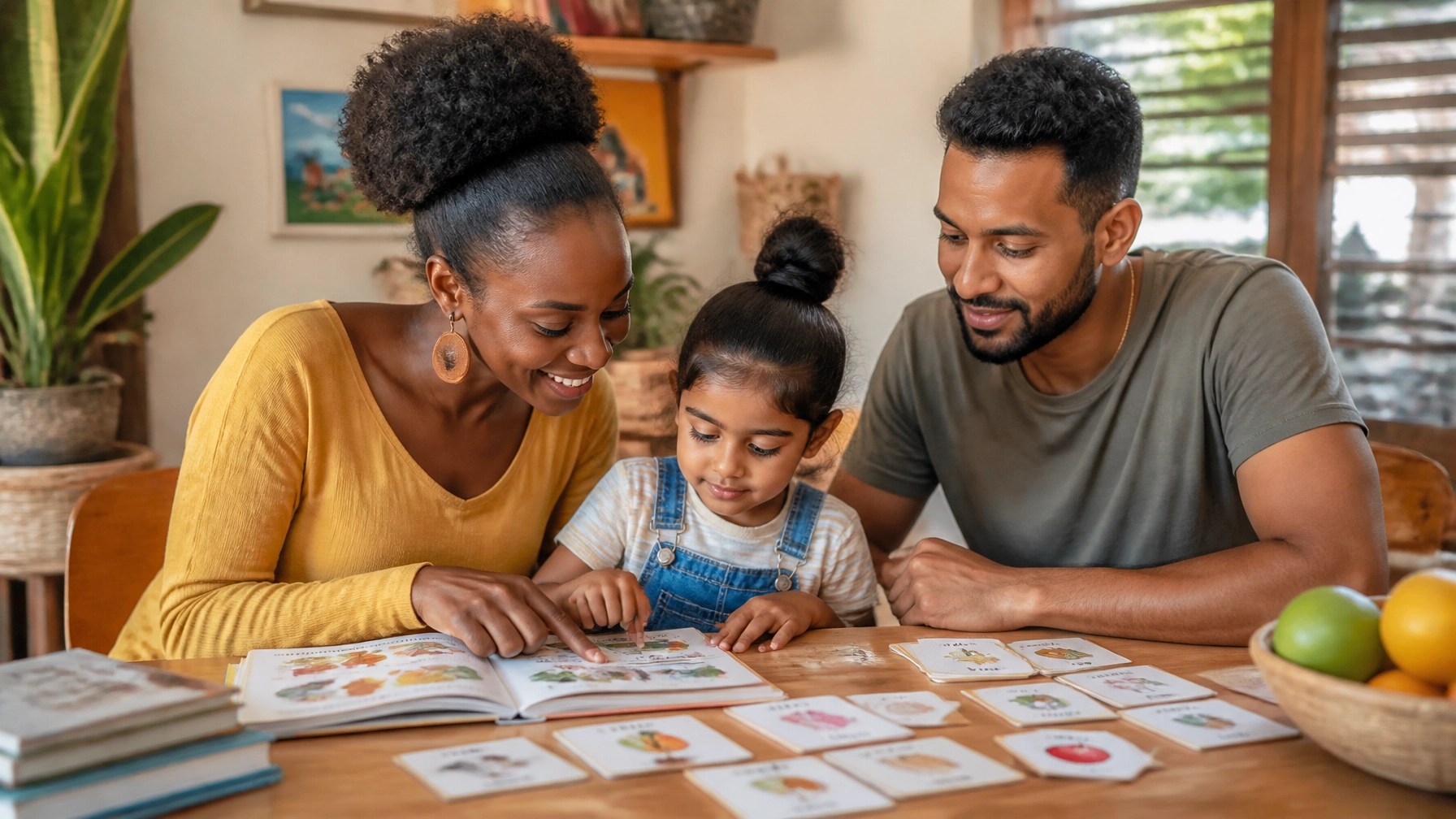
If you’ve ever walked into a room and found your two-year-old reading the headlines on the television or sounding out the ingredients on a cereal box like a seasoned professor, you know that mix of shock and absolute pride. It feels like a superpower, doesn't it?
When my son Marcus was little, we noticed it early. He didn’t just like books; he was obsessed with letters. He could decode words that even some adults struggle with. But as we sat together and I asked him, "Marcus, what is the boy in the story doing?" I was often met with a blank stare or a repetition of the sentence he had just read.
This is the reality of hyperlexia. It’s a fascinating, often misunderstood part of the autism journey where a child’s ability to read (decode) far outpaces their ability to understand (comprehend). At We Are Autism, we believe in celebrating these unique strengths while giving parents the practical tools they need to bridge that gap.
In this guide, we’re going to dive deep into what hyperlexia really is and, more importantly, how you can use autism communication tips and specific autistic child education strategies to help your child truly "see" the story behind the words.
Hyperlexia is often described as a "splinter skill." Most children follow a typical path: they learn to speak, then they learn what words mean, and then they learn to read them. For a hyperlexic child, the order is flipped. They often teach themselves to read before they can even hold a full conversation.
There are generally three traits that define hyperlexia:
For many of our kiddos, reading is a "safe" and predictable world. Letters don't change their mood, and words always look the same on the page. But while they can "say" the word "ocean," they might not have the mental picture of blue water, waves, or the smell of salt that we associate with it.
One of the biggest hurdles we face in autistic child education is the assumption that because a child can read, they must be smart enough to "just get it" eventually. In schools, hyperlexic children are often overlooked for support because their reading scores are off the charts.
However, without intervention, that comprehension gap can lead to frustration. Imagine reading a manual for a spaceship in a language you don't speak, but you can pronounce every word perfectly. You’d be able to "read" the manual, but you couldn't build the ship. That is what reading feels like for many hyperlexic children.
We have to move from "teaching them to read" to "teaching them to understand."
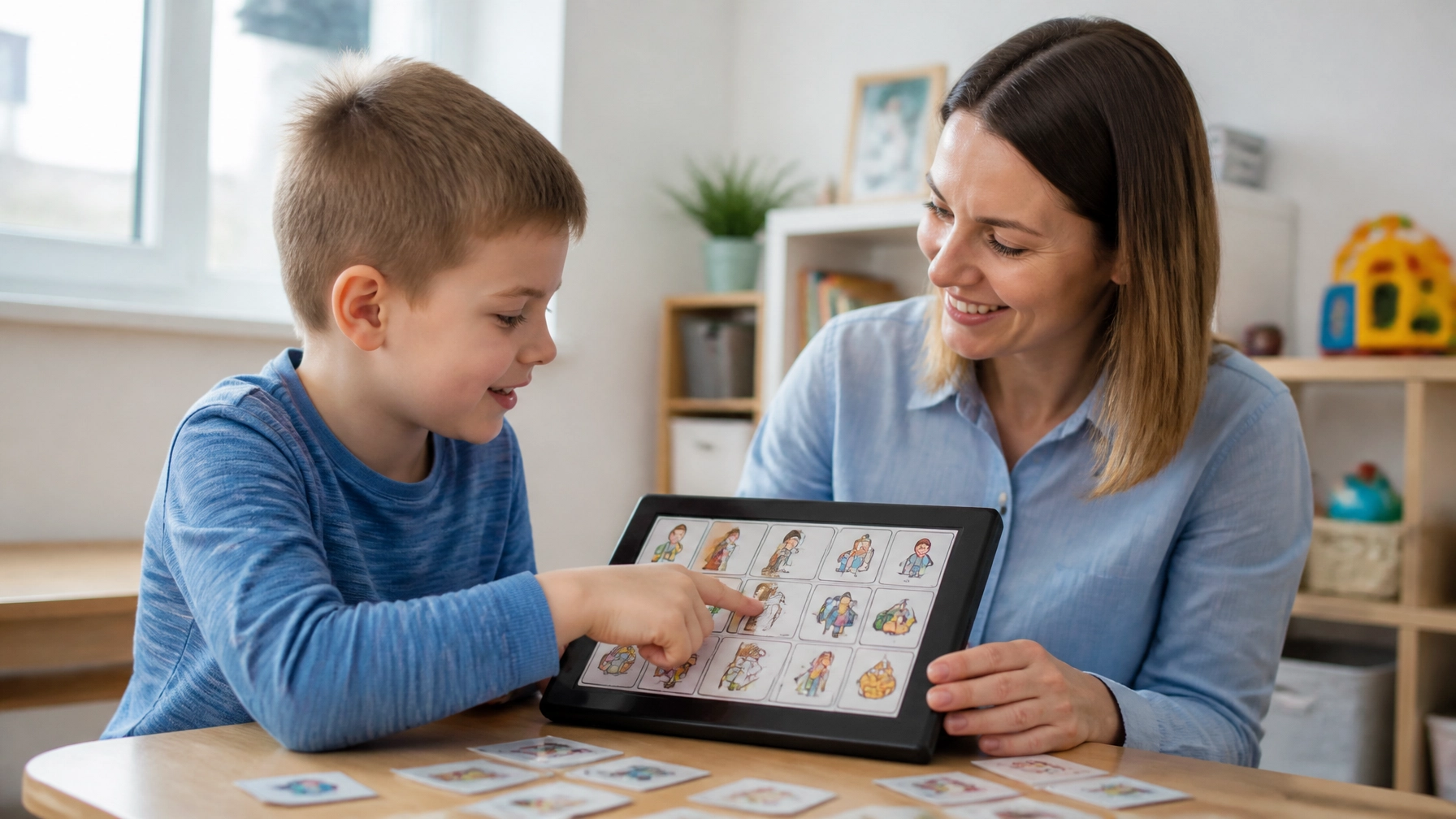
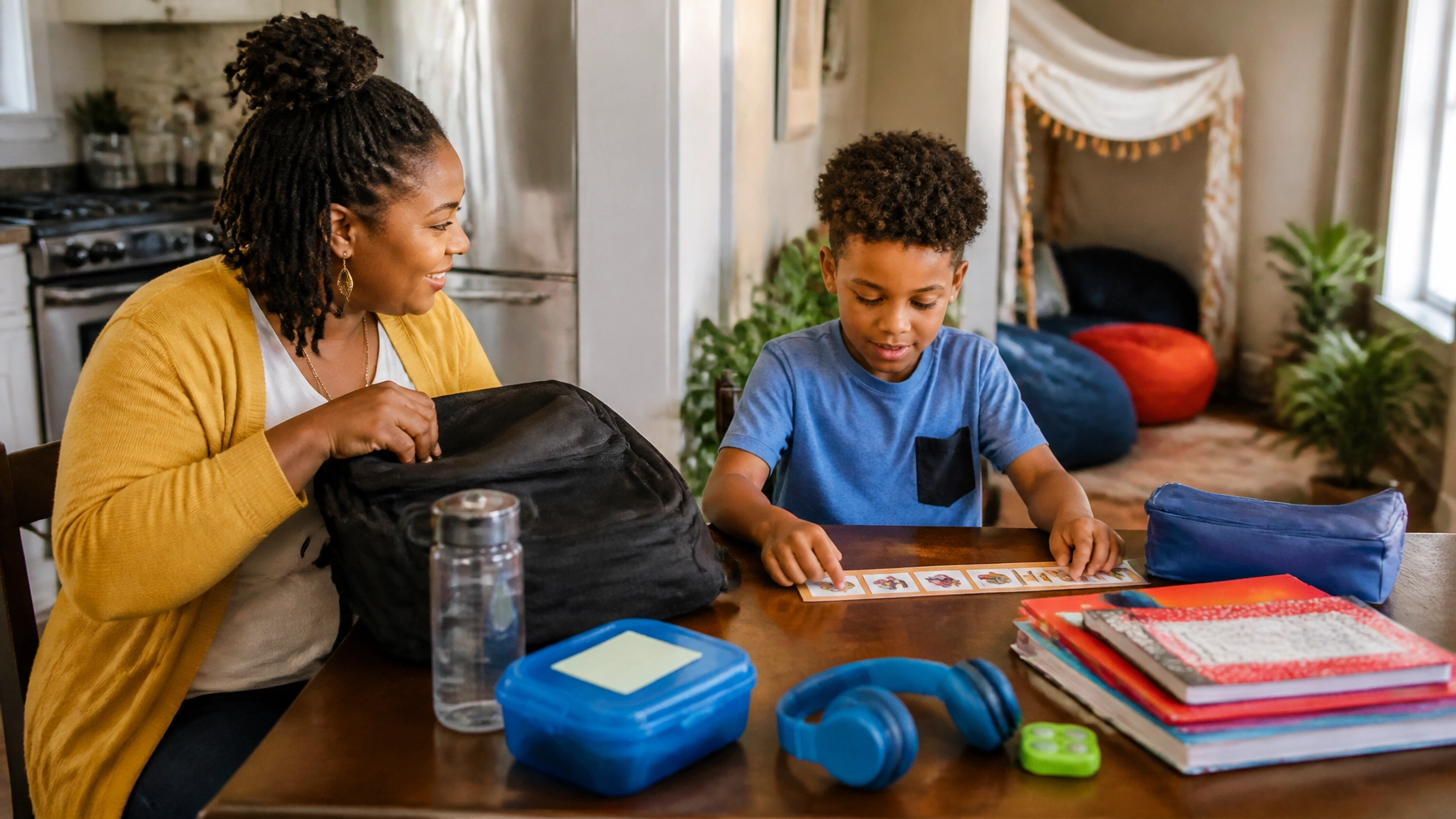
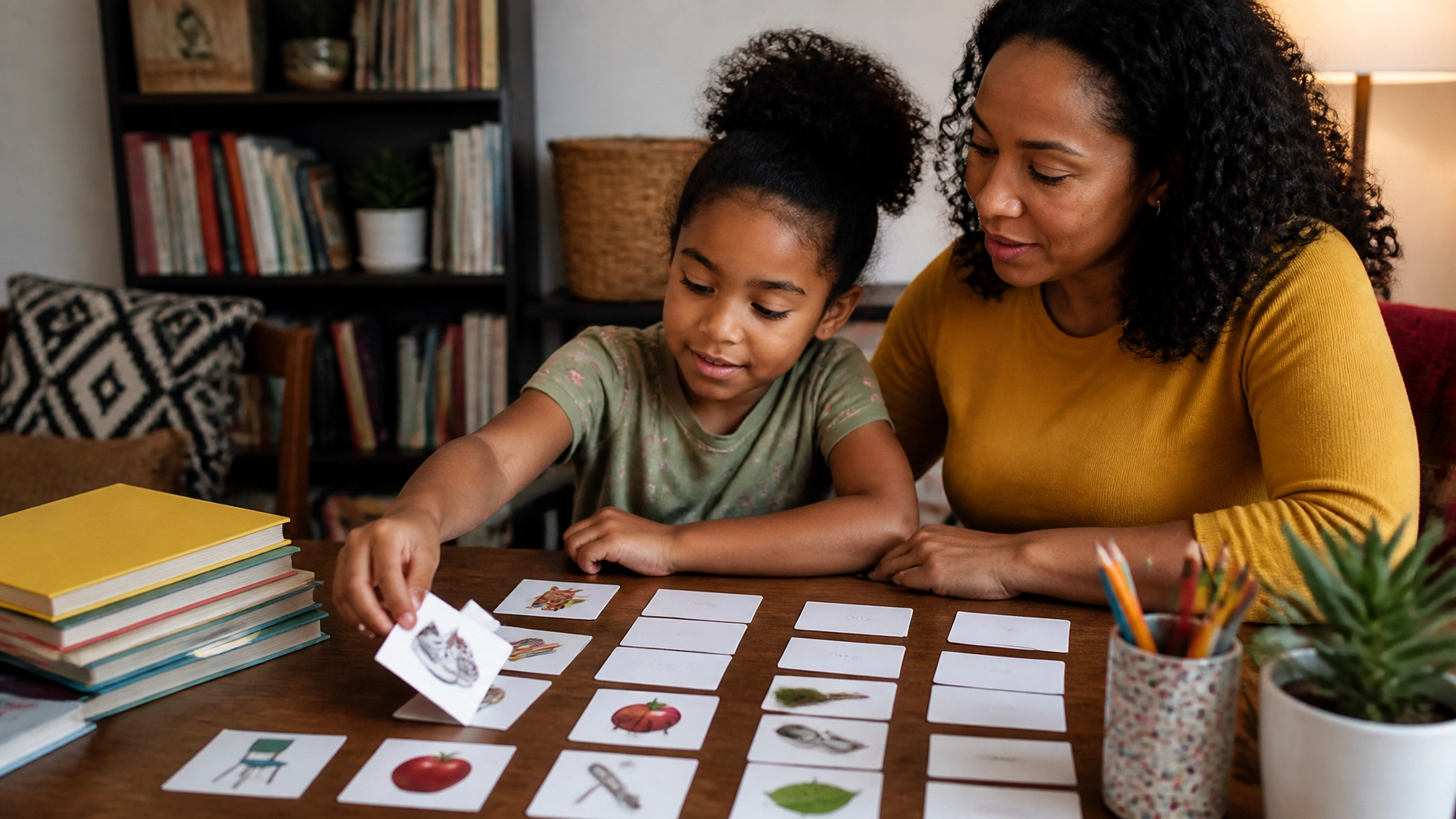
Since hyperlexic children are visual thinkers, we need to make language something they can see. This is one of the most effective autism communication tips: never rely on just the spoken word.
Hyperlexic children often struggle with open-ended questions. If you ask, "What did you think of the story?" you might get a "scripted" answer or nothing at all. To help them, we have to break down the "WH" questions (Who, What, Where, When, Why) into very small, visual pieces.
At We Are Autism, we’ve seen how transformative this can be. In our Building Bridges video series, specifically "Marcus’s Word Adventure," we use these exact techniques, combining words with clear, engaging visuals to help children make those vital connections.
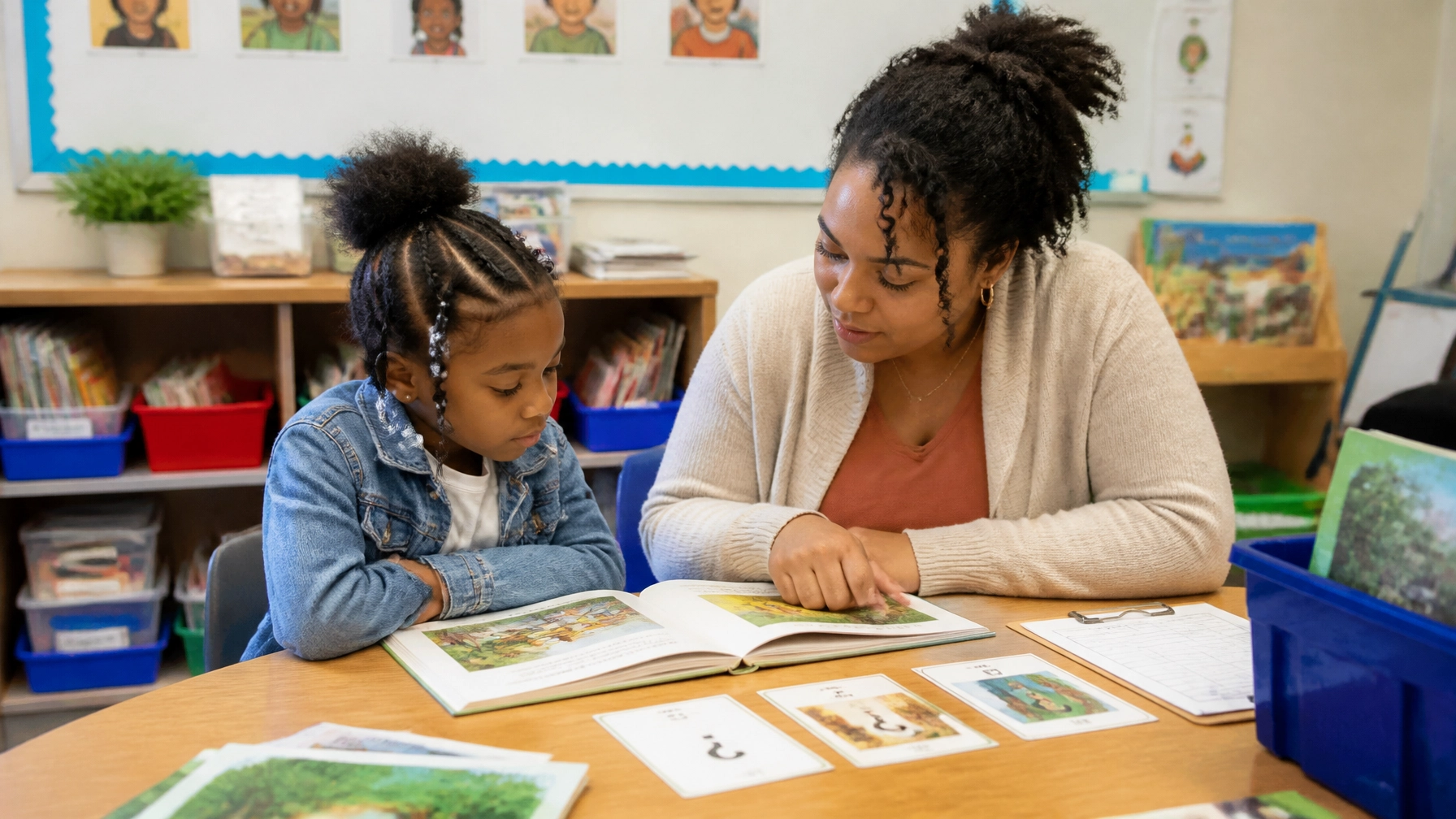
In the world of autistic child education, we don't fight "obsessions", we use them as bridges. If your child is obsessed with trains, every reading comprehension lesson should be about trains.
This is the hardest part for our kiddos. "Inference" is reading between the lines, understanding that if a character is crying, they are probably sad, even if the book doesn't say the word "sad."
To teach this, we recommend using "Think Alouds." As you read, say your thoughts out loud: "Oh look, the girl has a frown on her face and she is holding a broken toy. I think she feels sad because her toy is broken. Do you see the broken toy?"
By narrating the "why," you are teaching them the logic of human emotions and social situations. This is where our books, like Marcus Good Boy and the Fearfully and Wonderfully Made series, can be so helpful. They are designed to celebrate these differences while providing clear, relatable narratives that parents can use to practice these skills.
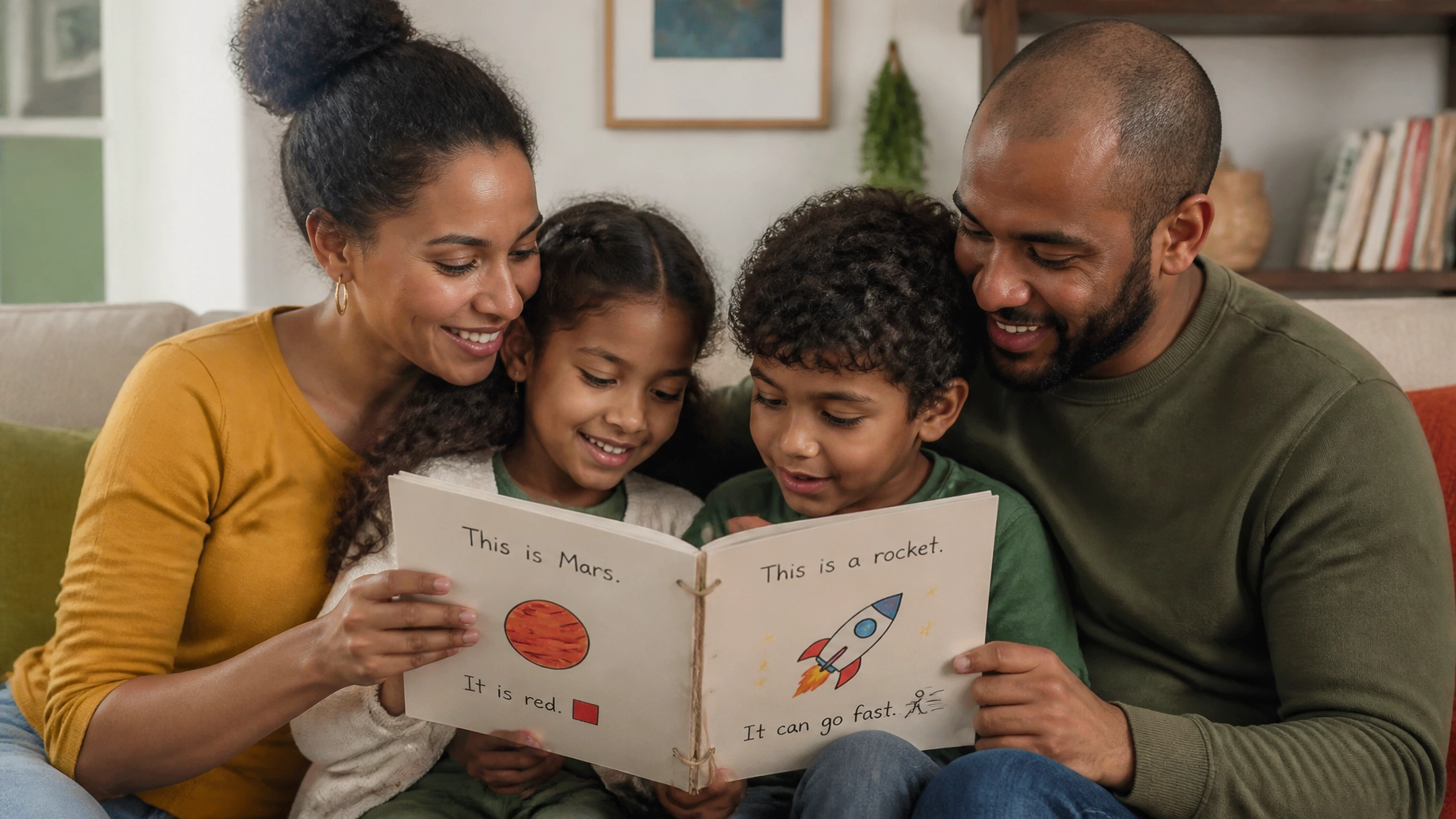
Don't be afraid to use technology! Educational videos that pair the written word with the action are like a "cheat code" for hyperlexia. When a child sees the word "JUMP" flash on the screen while a character actually jumps, the brain files that information much more effectively than if they just read it in a book.
Our Building Bridges program includes digital learning initiatives that do exactly this. We want to move past simple "ABC" videos and into "What is happening here?" storytelling. You can check out our latest educational videos on our official website.
If your child is reading words far beyond their age but still struggles to answer simple questions about what they read, I want you to know this: you are not imagining the gap, and you are not failing your child. Hyperlexia can look impressive on the outside, but as a parent, you see the full picture. You see the child who can read a long word on a sign but may not yet understand the story, the conversation, or the meaning behind what was just said.
That does not take away from your child’s gift. It simply tells us where support is needed. Early reading is a strength, and comprehension can be built step by step with patience, visuals, repetition, and connection. Sometimes our children do not need us to slow down their reading. They need us to help make the words come alive.
So if you are in a season where your child can decode almost anything but still needs help with the "who," "what," and "why," please do not lose heart. Celebrate the reading gift and gently teach the meaning alongside it. A child who loves words is already showing you a doorway. With time and support, comprehension can grow through that same door.
Whether you are in Jamaica or anywhere else in the world, you don't have to walk this journey alone. Join our support groups or reach out for a session of "Talk to Aunty Charlene." We are here to walk alongside you.

What’s your biggest challenge with hyperlexia? Join the conversation on our blog community and let’s learn from each other!
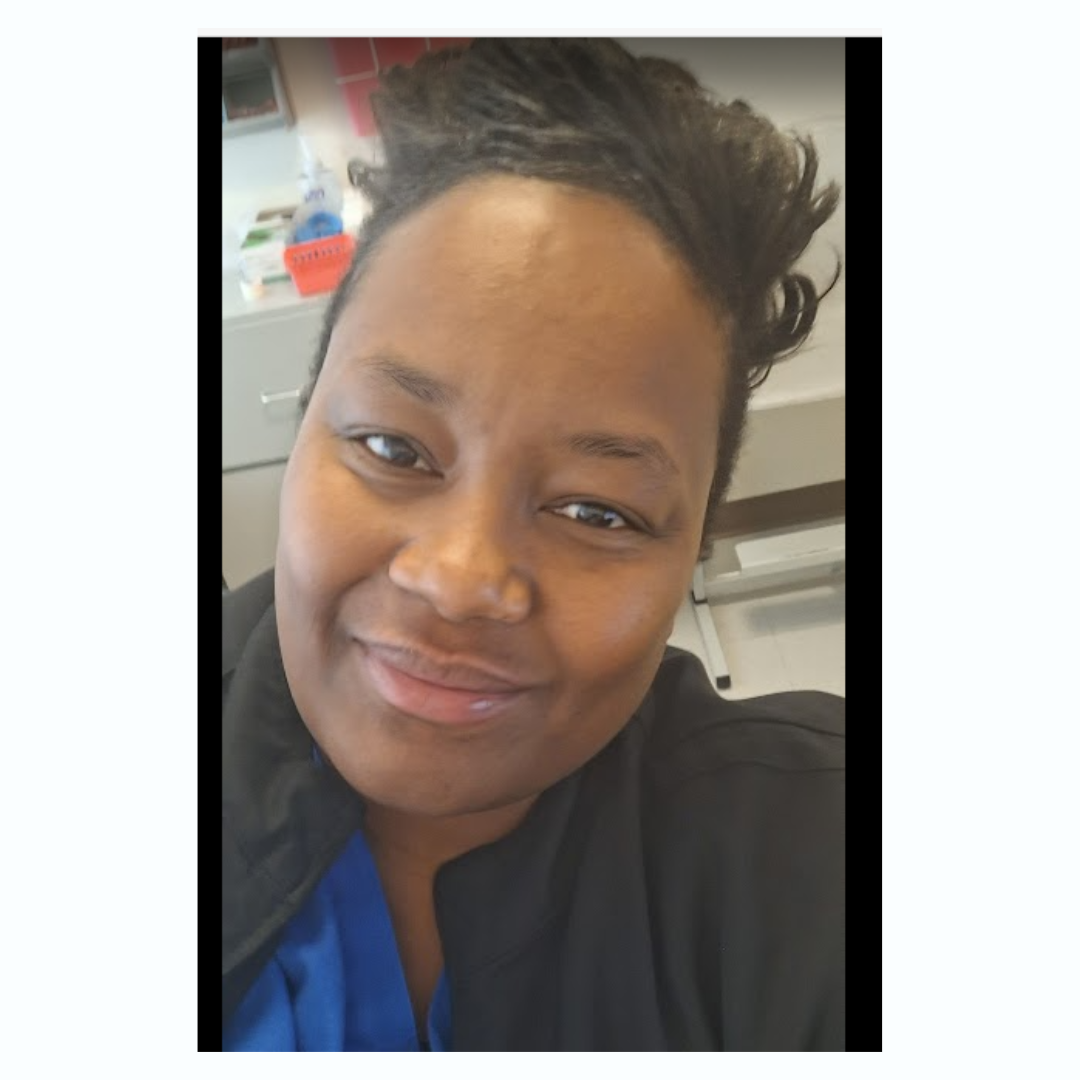
Charlene Pinnock is the founder and executive director of We Are Autism, a nonprofit organization dedicated to supporting, educating, and empowering parents and caregivers of children on the autism spectrum. As a mother of a son with autism and hyperlexia, Charlene combines personal experience with advocacy, education, and community outreach to help families feel seen, supported, and understood. Her work focuses on autism awareness, parent empowerment, culturally inclusive support, and creating practical resources that strengthen families both at home and within the community.
.avif)