If you’ve ever felt like you’re speaking one language and your child is speaking another, you are not alone. As a mother to Marcus, who has autism and hyperlexia, I’ve been in those shoes many times. I remember the early days, trying to navigate the "new normal" and feeling like every attempt at a conversation was like hitting a brick wall.
We all want the best for our children. We want to hear about their day, know what they need, and share a laugh. But sometimes, the very things we do to try and help can actually make communication harder for our kids. Parenting a child with autism means learning a whole new way of listening, one that goes beyond just words.
At We Are Autism, we believe that every child has a voice. It’s not that they don't have something to say; it’s often that we haven’t yet learned how to listen in the way they need us to.
Today, let’s look at 7 common mistakes we make when using autism communication tips and, more importantly, how we can fix them to build a stronger connection with our little ones.
When we see our children struggling, our natural instinct is to explain, comfort, and guide. We tend to use a lot of words to get our point across. However, for many autistic children, processing spoken language can be like trying to catch rain in a sieve. When we use long, complex sentences, the main point often gets lost in the "noise."
The Fix: The Rule of Three.
Keep it simple. Use short, clear sentences. Instead of saying, "Marcus, it's time to get your shoes on because we need to go to Grandma’s house and then we’re going to stop at the store," try: "Marcus, shoes on." Once that’s done, you can move to the next step. By reducing the "word count," you make it much easier for their brain to grab the essential information.
Have you ever asked your child a question and, when they didn’t answer immediately, you asked again? Or maybe you answered for them? We live in a fast-paced world, but communication with an autistic child often requires a "slow-down" button. Their brains might need extra time to process what you said, formulate a thought, and then physically produce the response.
The Fix: The 10-Second Rule.
After you ask a question or give a direction, count to ten silently in your head. Do not repeat yourself. Do not add more words. Just wait. You’ll be amazed at how often a child will respond at second seven or eight when given the space to do so.

For years, the standard advice was, "Look at me when I'm talking to you." But for many children on the spectrum, eye contact can be physically uncomfortable or even painful. It can also be a huge sensory distraction. If they are using all their energy to force their eyes to stay on yours, they likely don't have any energy left to actually hear what you're saying.
The Fix: Shared Focus.
Instead of demanding eye contact, join them in what they are doing. If they are looking at a book or playing with blocks, sit near them and talk about the blocks. This "shared focus" creates a much more comfortable environment for communication. You’ll find that when the pressure to "look" is gone, the "listening" improves significantly.
We often get so focused on verbal speech that we miss the other ways our children are communicating. If your child pulls your hand toward the fridge, that is communication. If they start stimming more intensely when you turn on the vacuum, that is communication. Behavior is communication.
The Fix: Listen with Your Eyes.
Pay attention to their body language, their gestures, and even their "stims." In our Building Bridges video series, we talk a lot about how to identify these cues. When you respond to their non-verbal cues, like saying, "Oh, you want juice?" when they lead you to the kitchen, you are teaching them that their attempts to communicate are successful.
"How was school? What did you eat? Who did you play with?" To a neurotypical child, this is a conversation. To an autistic child, this can feel like an interrogation. Questions require a lot of cognitive "heavy lifting."
The Fix: Comment More, Ask Less.
Try the 3-to-1 rule: for every one question you ask, make three comments. Instead of asking what they are building with Legos, say, "I see a blue block. That's a big tower. It looks very tall." This removes the pressure to perform and allows them to enjoy the interaction. Often, when the pressure is off, they might just surprise you by adding a comment of their own.

Imagine trying to have a serious conversation while standing in the middle of a loud construction site with flashing neon lights. You probably wouldn't be very good at it! Many of our children experience the world this way. If the TV is on, the dog is barking, and the lights are bright, your communication tips aren't going to work because your child is in sensory survival mode.
The Fix: Set the Stage.
Before you try to engage in meaningful communication, check the "sensory temperature." Dim the lights, turn off background noise, and ensure they are comfortable. A regulated child is a communicating child.
As parents, we often wait desperately for that first spoken word. While speech is a wonderful goal, it isn't the only way to connect. If we only value spoken words, we might miss out on the beautiful ways our children are already trying to reach us.
The Fix: Embrace Total Communication.
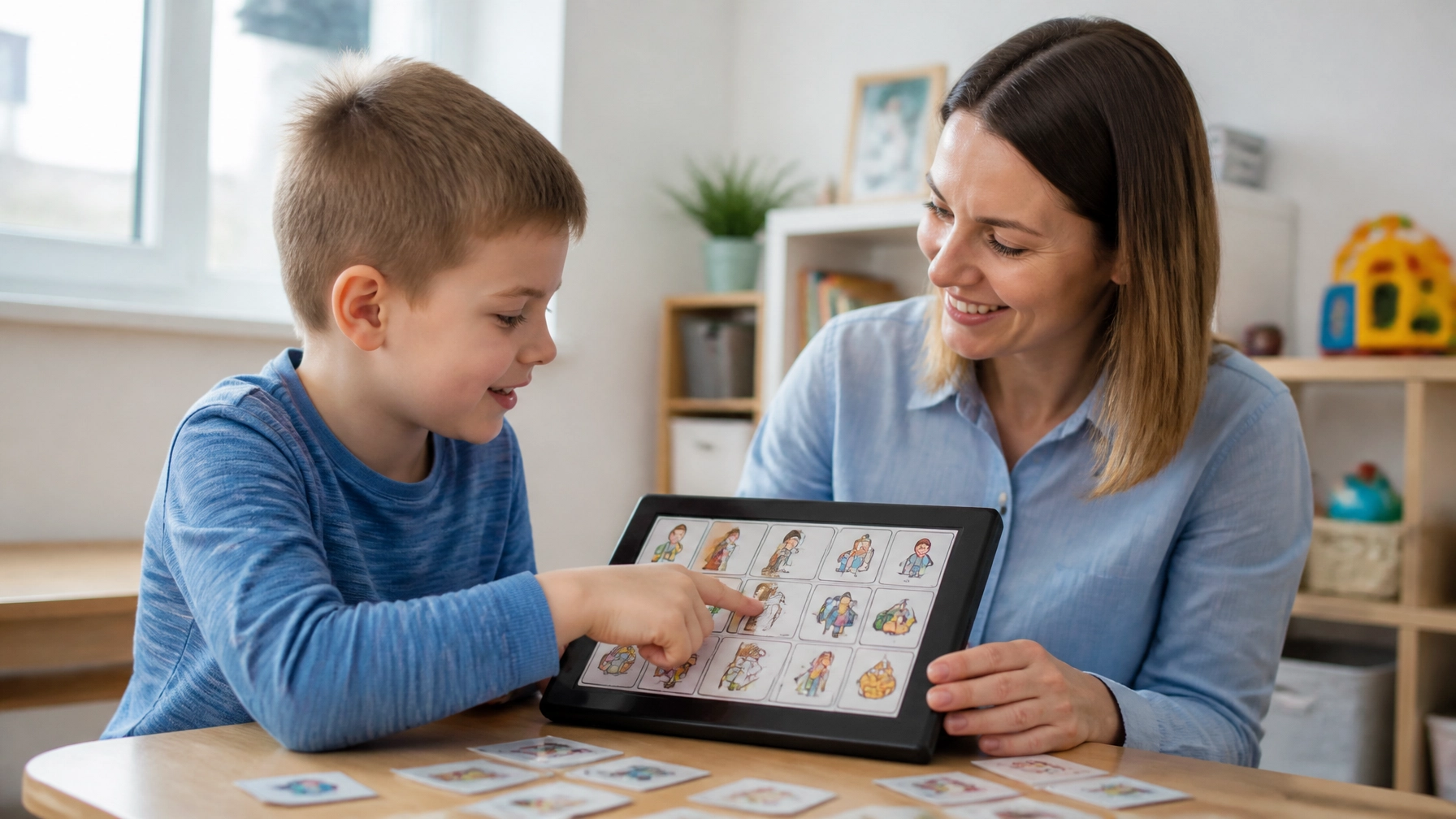
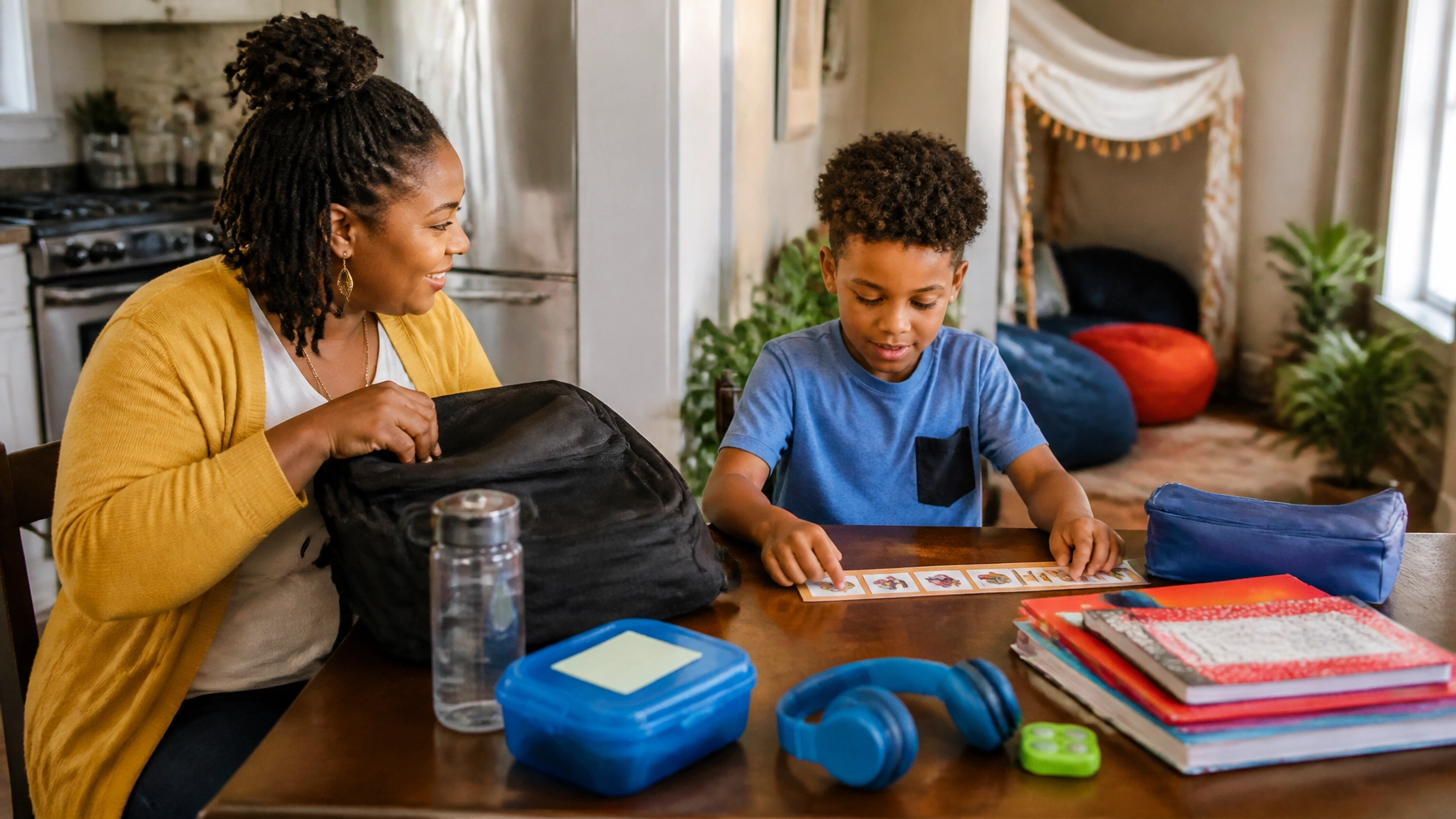
Use pictures, signs, gestures, and digital tools. My book, Marcus Good Boy, was born out of my journey with Marcus and his hyperlexia. We learned that using his love for words and reading was a bridge to his communication. Whether it’s through a communication device or a book like A Lesson in Kindness, every form of connection is a win.
Parenting a child with autism isn't about being perfect; it's about being present. We all make these mistakes: I know I have! The key is to keep learning and keep adjusting.
If you’re looking for more practical support, we invite you to join our Support Groups. We are a community of parents and caregivers who understand exactly what you’re going through. You don't have to do this alone.
Our next Parent Education & Empowerment Program starts soon (June 17, 2026!), and it’s a wonderful place to dive deeper into these strategies in a supportive, in-person environment.
Remember, your child's voice is there. Sometimes we just need to change the way we're listening to hear it.


Charlene Pinnock is the founder and executive director of We Are Autism, a nonprofit organization dedicated to supporting, educating, and empowering parents and caregivers of children on the autism spectrum. As a mother of a son with autism and hyperlexia, Charlene combines personal experience with advocacy, education, and community outreach to help families feel seen, supported, and understood. Her work focuses on autism awareness, parent empowerment, culturally inclusive support, and creating practical resources that strengthen families both at home and within the community.
.avif)