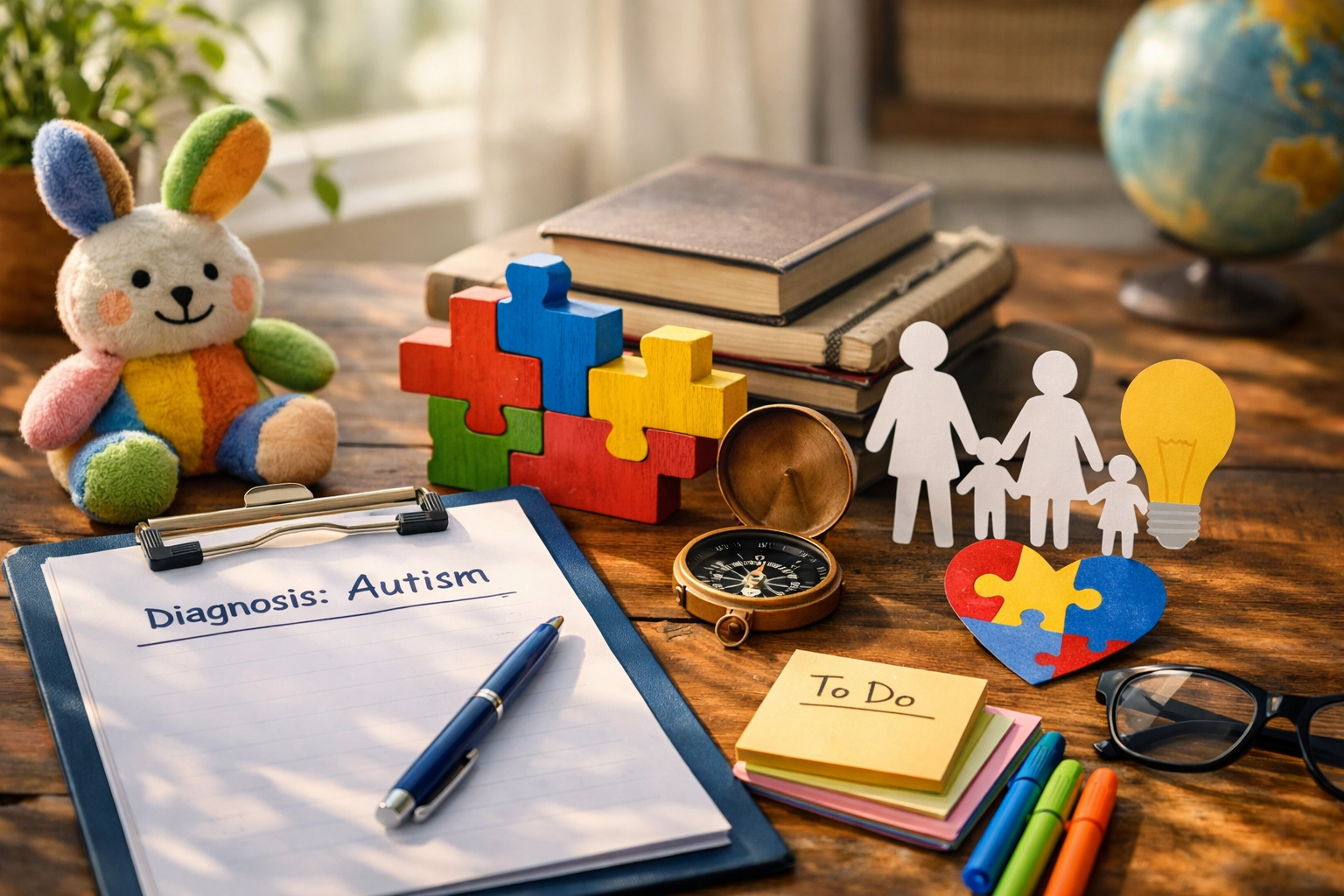
If you are reading this, you might have just walked out of a doctor’s office holding a piece of paper that feels like it weighs a thousand pounds. Or maybe you’ve known in your heart for a long time, and finally having the word "Autism" written down feels like both a relief and a giant question mark.
First, take a breath. Seriously: stop right now and take a deep, slow breath.
Receiving an autism diagnosis for your child is a milestone, but it is not the end of a story. It’s actually the beginning of a brand-new chapter where you get to understand your child in a way most parents never have to. At We Are Autism, we know exactly how you feel because we’ve been there. We’ve felt the confusion, the "what now?" and the overwhelming urge to protect our babies while navigating a world that isn't always built for them.
Whether you are in Kingston, New York, or anywhere else in the world, the feelings are the same. You want the best for your child, and you want to know how to help them thrive. If you don’t have access to intensive ABA (Applied Behavior Analysis) services, or if you’ve just finished a program and are wondering "what’s next?", this guide is for you.
Here are the five things you should do first.
The moments following a diagnosis are often a blur of medical terms, recommendations, and "deficits." It is completely normal to feel a range of emotions: grief for the life you imagined, anger at the challenges ahead, or even joy that you finally have an explanation for why your child struggles.
There is no "right" way to feel. Some parents jump straight into "warrior mode," calling every therapist in the phone book. Others need to sit in the quiet for a few weeks to process. Both are okay.
Remember that while the diagnosis is new, your child is still the same beautiful person they were yesterday. They haven’t changed; your understanding of them has simply expanded. Give yourself grace. You are learning a new language, and nobody becomes fluent overnight.

When you read a diagnostic report, it can feel like a list of everything your child "can’t" do. It talks about social delays, communication gaps, and repetitive behaviors. But that report is only half the story.
At We Are Autism, we believe in a strengths-based approach. Your child’s brain works differently, and while that brings challenges, it also brings incredible unique perspectives. Does your child have an amazing memory? Are they incredibly kind to animals? Do they find joy in the way light hits a bubble?
Start a "Strength Journal." For every challenge you note, try to find a strength. When we focus only on "fixing" what is "wrong," we miss the magic of who our children actually are.
This is why we created books like "Aaliyah Moves in Her Own Way" and "Andre Sees Words Differently." These stories help families see that moving differently or processing information differently isn't a "failure": it's just a different way of being in the world. You can find these resources in our products section to help frame these conversations with your child and their siblings.
Autism parenting can feel incredibly lonely, especially if your friends and family don't quite "get it." You might feel like you’re the only one dealing with a meltdown at the grocery store or the only one celebrating a single new word for three weeks straight.
You are not alone. There is a whole tribe of us waiting to welcome you. Finding a community of people who "speak autism" is the fastest way to lower your stress levels. You need a space where you can ask, "Is this normal?" and get a chorus of "Yes, and here is what worked for us."
We invite you to join our support groups. We are a global family, and we understand the specific nuances of raising an autistic child, whether you are dealing with the school system in Jamaica or seeking educational articles to share with your child's teachers. Connecting with other parents who have walked this path is the best form of "therapy" for the soul.

You don’t need a degree in occupational therapy to start making your child’s life easier today. Many "behavioral issues" are actually sensory responses. If the world feels too loud, too bright, or too itchy, anyone would have a hard time!
Start observing your child's environment with a "sensory lens":
If you’re looking for more visual ways to explain the world to your child or to help them understand their peers, our Building Bridges video series is a fantastic place to start. These videos are designed to bridge the gap between the autistic experience and the world around them, offering practical, real-world advice that you can use at home immediately.
Also, consider reading "A Lesson in Kindness" with your other children or family members. It’s a beautiful way to foster an environment of empathy and support within your own four walls.

Sometimes, you just need to talk to an "Aunty" who has seen it all. Our founder, Charlene Pinnock, often says that the best resource a parent has is another parent.
If you are feeling stuck, confused, or just need a listening ear, don't hesitate to reach out. We offer a Contact Page where you can send us your questions. Whether you’re looking for advice on how to love someone on the spectrum or you just need to vent, we are here.
"Talk to Aunty Charlene" isn't just a phrase; it's an invitation to join a family that prioritizes love, acceptance, and practical advocacy over clinical labels.
A diagnosis is a tool. It’s a key that unlocks access to services, understanding, and community. It doesn't change the heart of your child.
In the coming weeks, you will be inundated with advice. People will tell you about diets, therapies, and "cures." Our advice? Start with love. Start with curiosity. Your child is a gift, fearfully and wonderfully made.
At We Are Autism, we are committed to being your partner on this journey. From our webinars to our curated books, we want to empower you to be the expert on your own child.
You’ve got this. And when you feel like you don’t, we’ve got you.

Next Steps:
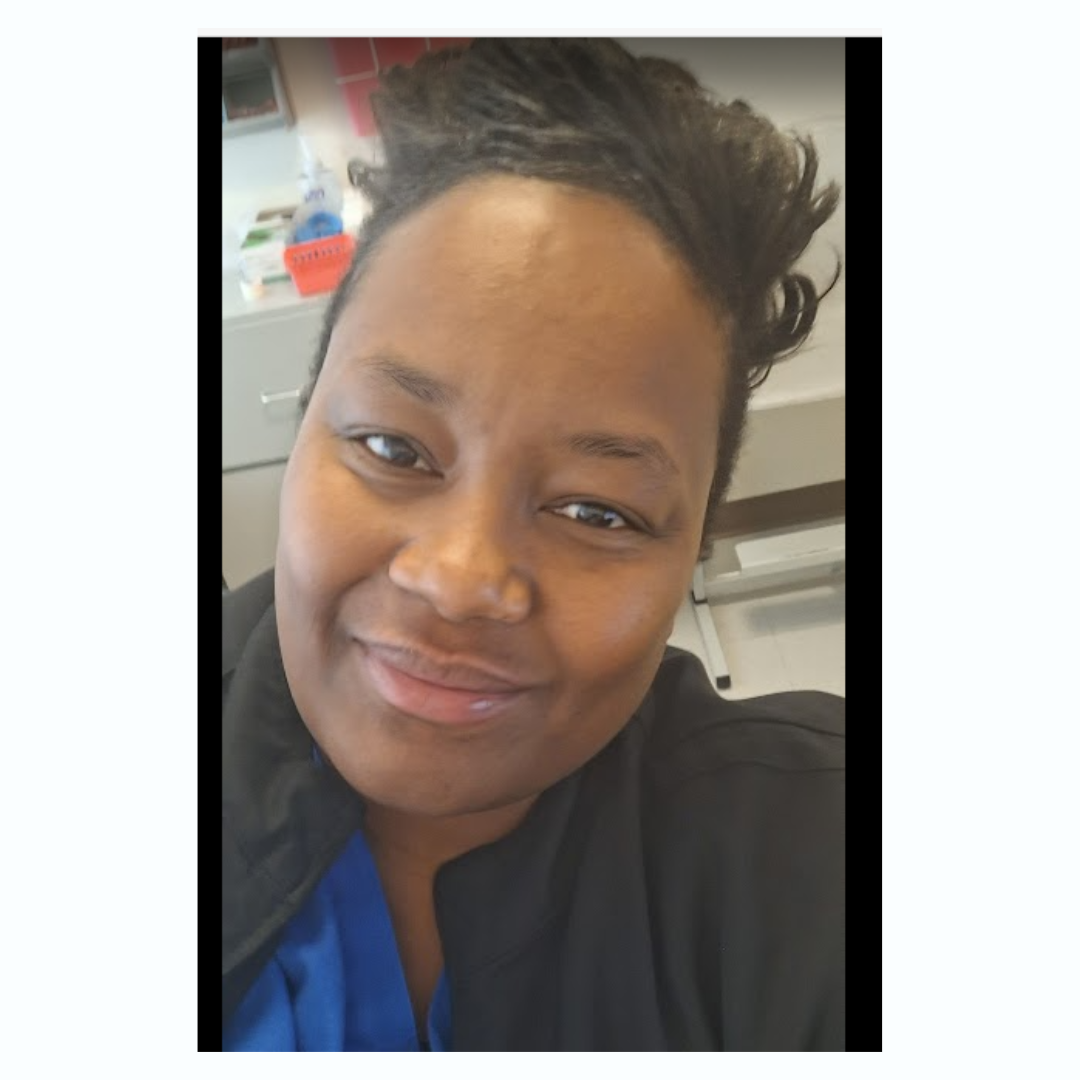
Charlene Pinnock is a mother, author, and the Founder of We Are Autism. Inspired by her journey raising her son Marcus, she creates meaningful books and resources that help families better understand autism, manage everyday challenges, and feel supported every step of the way. Her mission is to remind parents that they are not alone and that every child deserves to be seen, understood, and celebrated.
.avif)