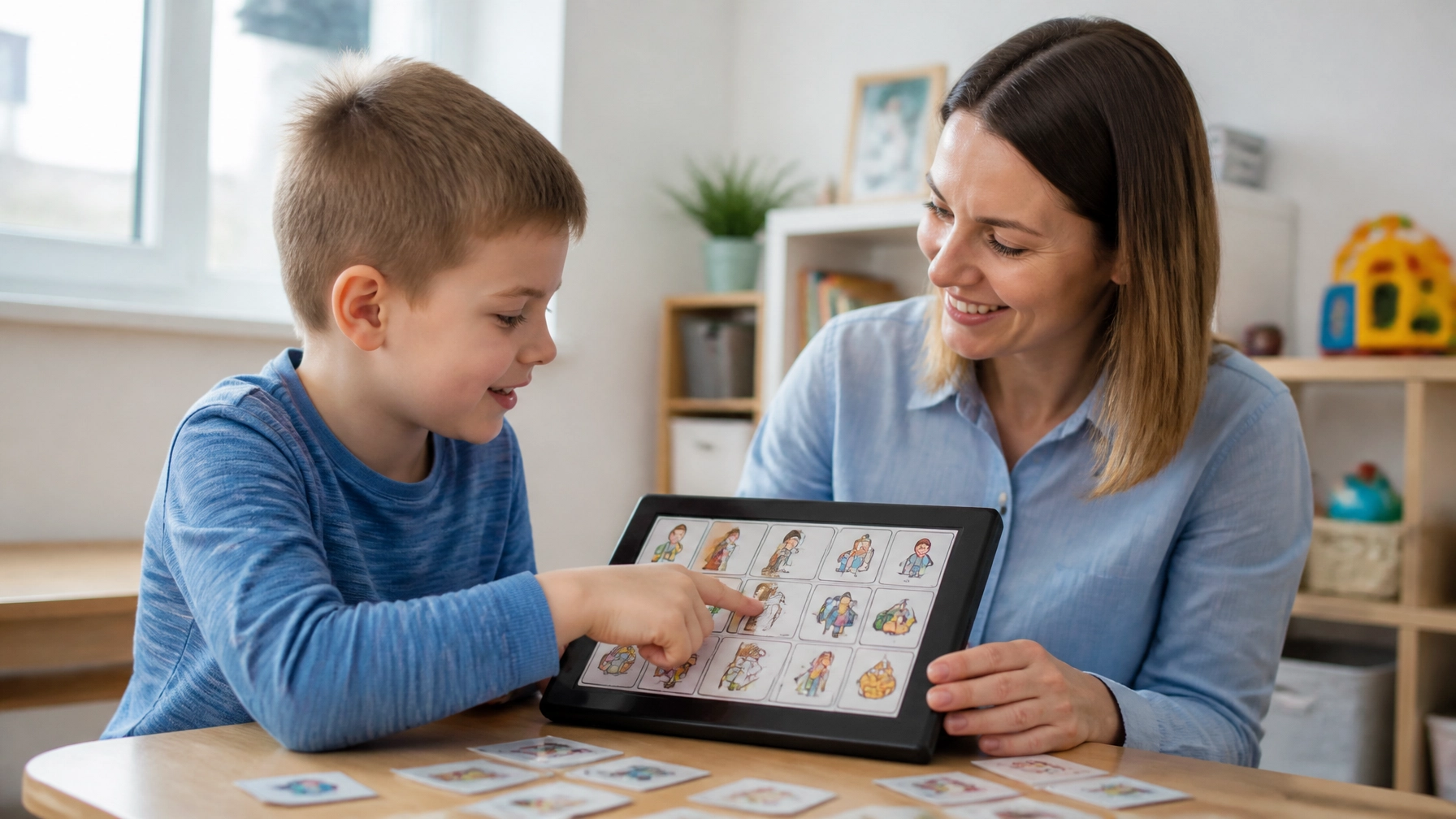
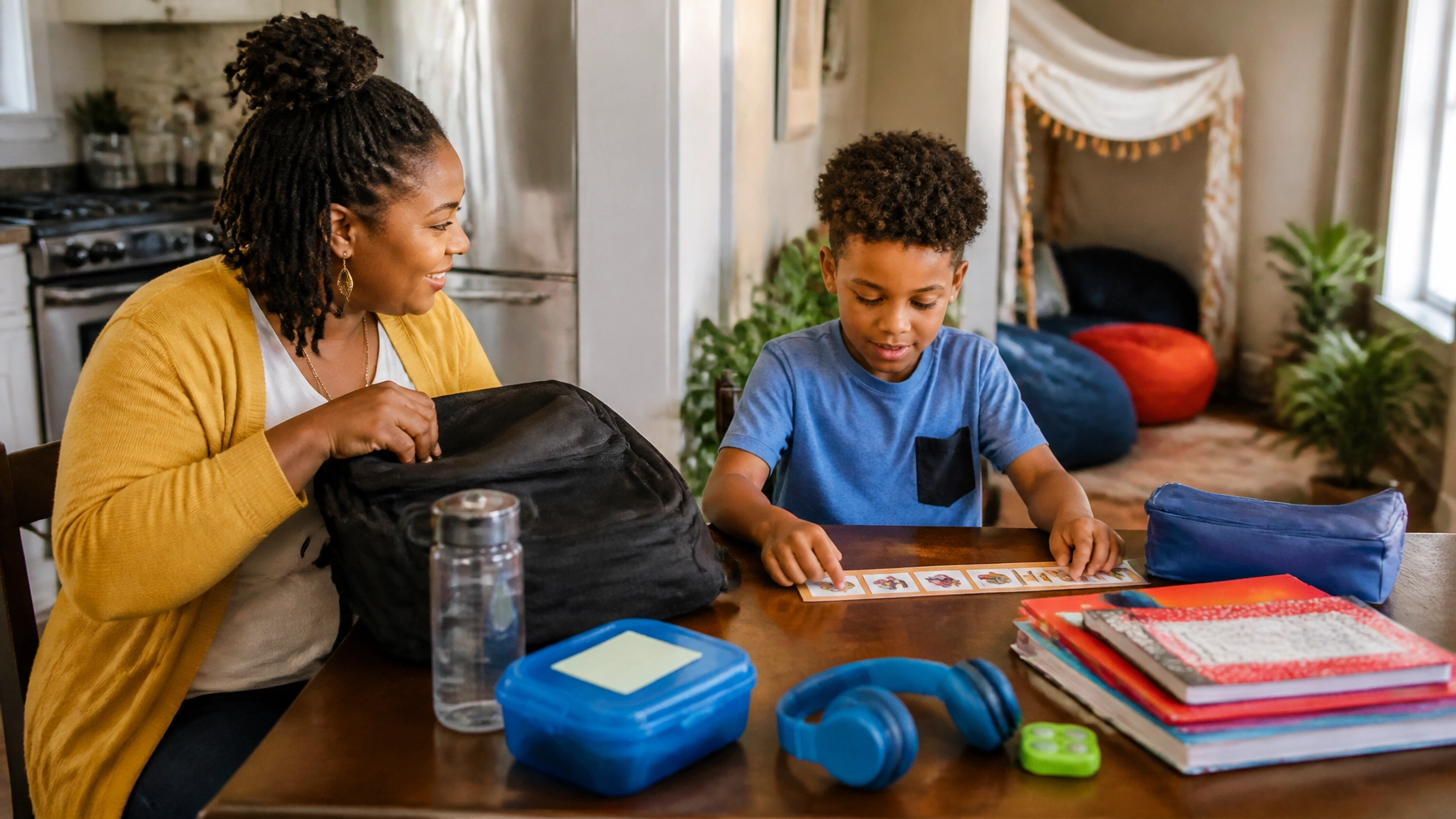
If you’ve ever found yourself in the middle of a grocery store aisle or at a family gathering, feeling the weight of judgmental stares while your child is struggling to keep it together, I want you to take a deep breath. I’ve been there. I am there. We are all in this together.
At We Are Autism, we know that these moments aren't about "bad behavior." They are about a nervous system that is simply overwhelmed. Today, I want to talk about how we can decode these meltdowns and use autism sensory strategies to turn those "toughest days" into moments of connection and growth.
Before we can help, we have to understand what is actually happening. Many people mistake a sensory meltdown for a temper tantrum, but they are worlds apart.
A tantrum is usually goal-oriented. A child wants a specific toy, a snack, or to avoid a chore. They have some level of control, and if you give them what they want, the tantrum usually stops instantly.
A sensory meltdown, however, is a loss of control. It happens when the brain’s "input" (what the child sees, hears, feels, or smells) exceeds their ability to process it. In that moment, the "thinking" part of the brain goes offline, and the "survival" part takes over. This is why you can’t simply reason with a child during a meltdown: they literally cannot hear you through the noise of their own overwhelmed senses.
Understanding this shift from "behavior" to "neurology" is the first step in using effective autism behavior strategies.

When we talk about sensory strategies, we often focus on the five basic senses. But for our children on the spectrum, two "hidden" senses are often the secret to regulation: the proprioceptive and vestibular systems.
This is the sense of where our body is in space, controlled by our muscles and joints. Deep pressure and "heavy work" are almost always organizing and calming for the nervous system.
At-home "How-To" tips:
This sense comes from the inner ear and tells us about balance and movement. While fast spinning can sometimes be overstimulating, slow, rhythmic movement is often very soothing.
At-home "How-To" tips:

You don’t need a fancy sensory room or expensive equipment to help your child regulate. In fact, many of the best autism sensory strategies involve simple household items.
Creating a dedicated "Calm Down Corner" gives your child a safe place to go before they hit the breaking point. This isn’t a place for "time out": it’s a place for "time in."
What to include:
We cover many of these practical setups in our Building Bridges educational media series. In videos like Marcus’s Word Adventure, we focus on creating engaging, low-stress environments where children can learn and feel safe.
When the meltdown is happening, the most important tool in the room is you. I always say that our nervous system becomes the template for our child's. If we are escalated, they will stay escalated.
Raising a child on the spectrum is a journey of constant learning. Sometimes, even the best strategies don't work, and that’s okay. What matters most is the connection you are building with your child every single day.
For parents who are navigating life after an autism diagnosis or those who lack access to traditional ABA services, we are here for you. You are not alone in this.
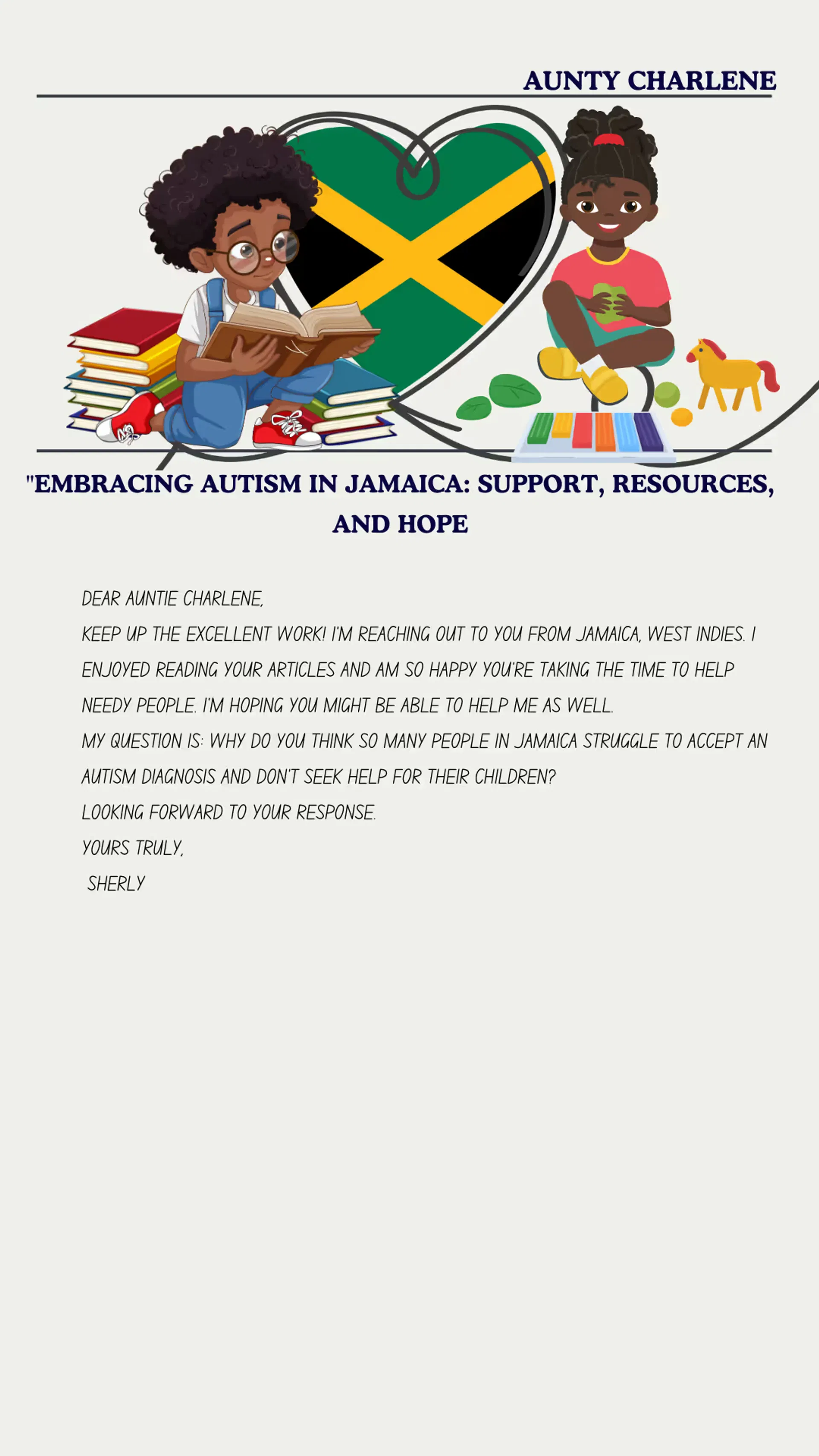
If you need a space to share your story or ask a question, come and Talk to Aunty Charlene. It’s a supportive space where parents can receive encouragement from someone who has truly walked the path.
We also encourage you to explore our inclusive books and educational materials. Reading together is one of the best ways to provide a calm, shared sensory experience. Helpful titles for parents and children include Marcus Good Boy, Rhys Wilson: Book of Poems, A Lesson in Kindness, and the Fearfully and Wonderfully Made series, all designed to celebrate the unique way our children see the world.
At the end of a tough day, remember that you are doing the best you can with the tools you have. Every meltdown is an opportunity to learn more about your child’s unique sensory profile, and every recovery is a testament to your strength as a caregiver.
We invite you to join our Support Groups to connect with other families who "get it." Together, we can build a community that celebrates every victory, no matter how small.

Keep going, Fam. You’ve got this!

Charlene Pinnock is the founder of We Are Autism, a nonprofit organization dedicated to supporting and empowering parents and caregivers of children on the autism spectrum. As a mother navigating her own journey with autism, Charlene brings both lived experience and heartfelt compassion to her work. Through education, community programs, and real-life resources, she is committed to creating a space where families feel seen, supported, and understood. Charlene’s mission is simple yet powerful: to ensure that no parent walks the autism journey alone.
.avif)