If you’ve recently sat in a doctor’s office and heard the word “Autism” used to describe your child, I want you to take a deep breath. Right now. Inhale for four seconds, hold it, and let it out slowly.
I know that feeling. It’s like the air in the room suddenly gets heavy, and the world outside the window keeps moving while yours has just come to a grinding halt. You might feel a mix of things: relief because you finally have an answer, gut-wrenching fear of the unknown, or a heavy sadness for the life you imagined.
At We Are Autism, we talk to parents every day who are exactly where you are. Whether you are in Kingston, New York, Kingston, Jamaica, Lagos, London, Toronto, or anywhere in between, the "diagnosis day" can bring up many emotions across cultures, families, and communities. In some homes, a diagnosis brings relief. In others, it may be met with fear, silence, stigma, denial, deep faith, or a strong desire to protect a child from labels. All of those responses can exist at once, and none of them erase your love for your child. But here is the secret that nobody tells you in that sterile clinic room: A diagnosis is not a closing door. It is a new map.
If you are looking for hope after a diagnosis, you’ve come to the right place. Let’s talk about how we move from the "Why me?" to the "What now?" and how we find the light in this new landscape.
First things first: whatever you are feeling right now is okay. There is often a sense of grief that follows an autism diagnosis, and many parents feel guilty about that. You aren't grieving your child; you are grieving the "easy" path you thought they would have. You are grieving the expectations you built up before they were even born.
This is a natural part of the process. For many, the search for newly diagnosed autism help starts with a frantic Google search at 2:00 AM. You see terms like "early intervention," "spectrum," and "neurodivergent," and it feels like learning a foreign language overnight.
Give yourself permission to be messy. Cry if you need to. Step away from the paperwork for a few hours. Your child is still the same beautiful soul they were five minutes before the doctor spoke. The diagnosis didn’t change them; it only changed the way the world labels them.
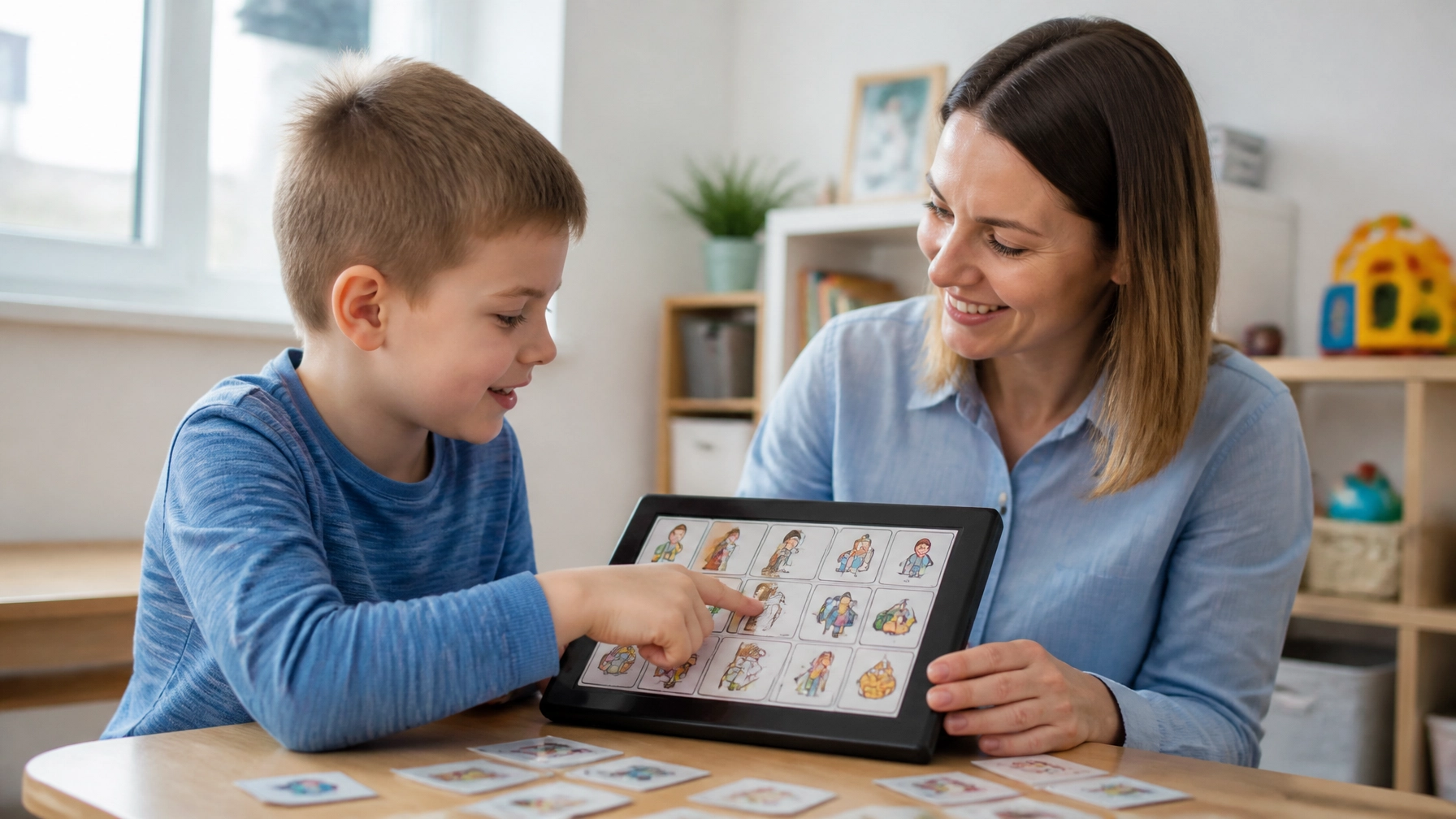
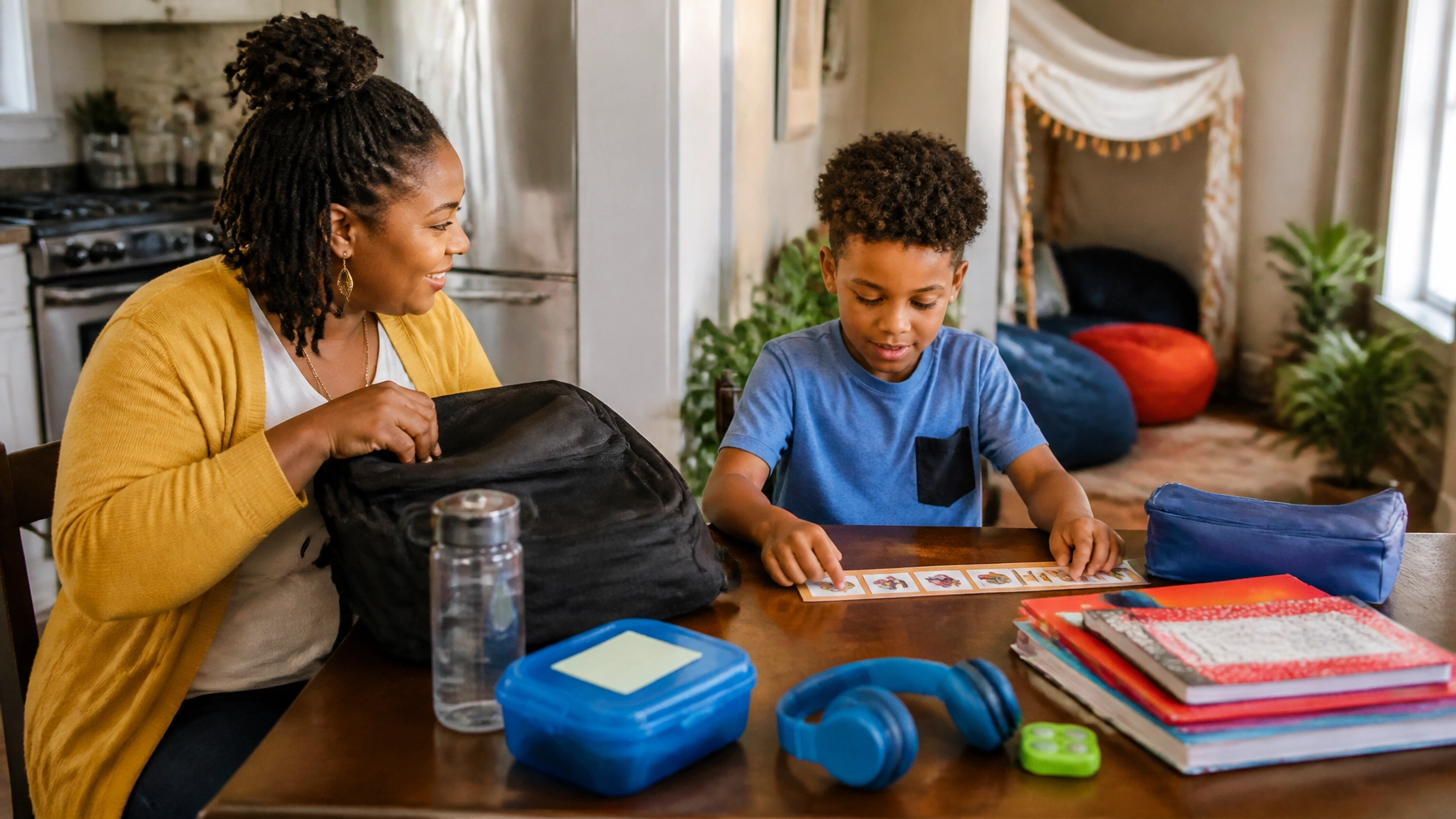
It can also help to remember that autism does not look the same in every child. Some children are speaking, some are non-speaking, and some communicate best through gestures, pictures, sign language, or AAC devices. Some children are sensory seekers, some are highly sensitive, and some are both depending on the day. Some children have hyperlexia and connect with letters and words in amazing ways, while others show their strengths through movement, music, patterns, memory, humor, or deep focus. There is no single autism story, which means there is no single path forward for your family either.
One of the biggest hurdles to finding hope is seeing the diagnosis as a "limit." We tend to look at the list of deficits, challenges with eye contact, delayed speech, sensory sensitivities, and see a wall that our child will never get over.
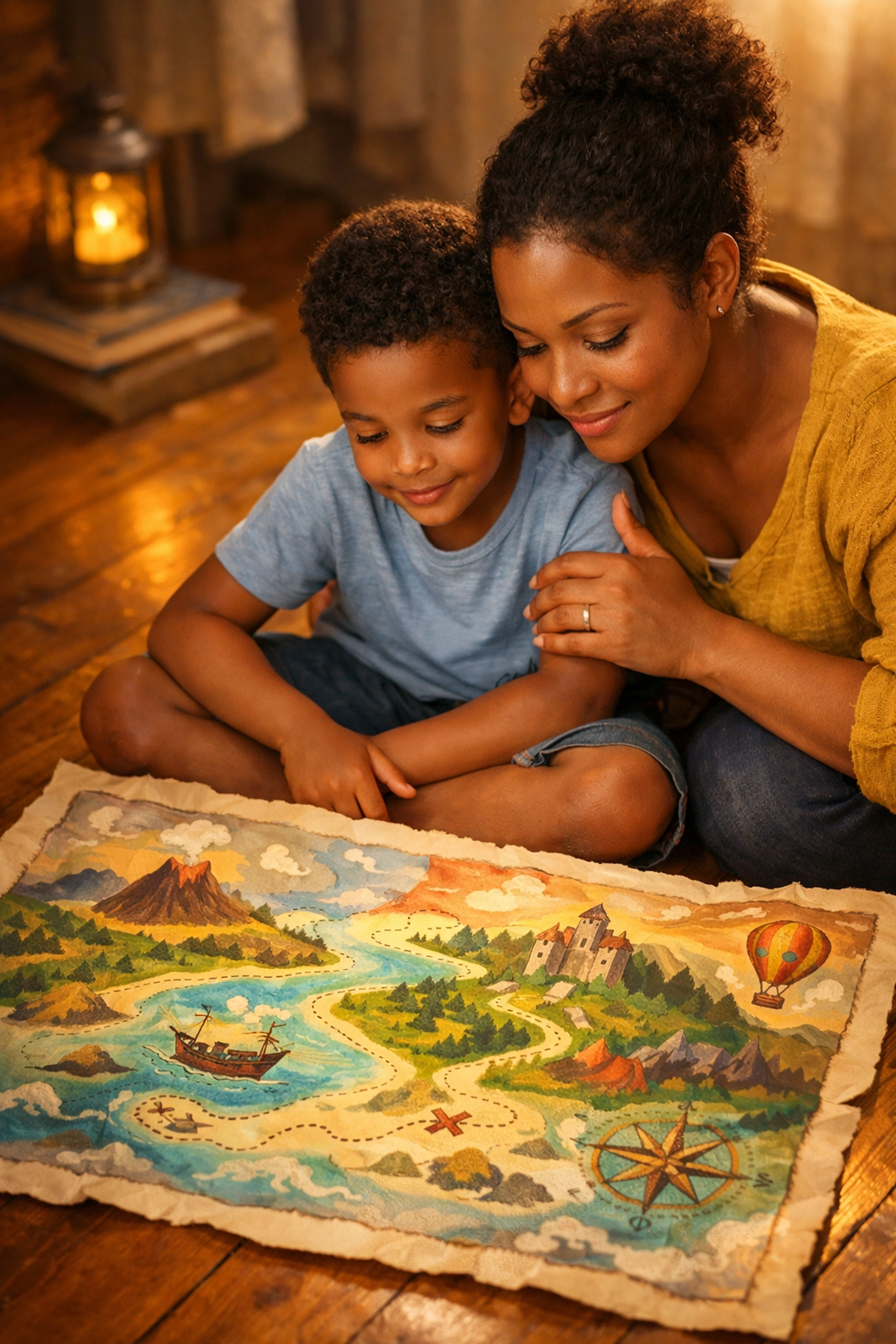
I want to challenge you to see it differently. An autism diagnosis is a map. Before this, you were navigating a terrain without a guide. You knew things were different, but you didn’t know why. Now, you have the coordinates. You know that your child’s brain is wired beautifully and uniquely. You know that traditional methods might not work, but specific, tailored approaches will.
When we change our perspective from "What is wrong?" to "How does my child experience the world?", the hope starts to trickle back in. You stop trying to force them into a box they were never meant to fit into, and you start building a world that celebrates who they actually are.
The loneliest part of the journey is feeling like no one understands. Your friends with neurotypical kids might offer well-meaning but hollow advice like, "Oh, they'll grow out of it," or "Einstein didn't talk until he was four." While they mean well, it can feel incredibly isolating.
This is where autism support for parents becomes your lifeline. Hope is found in the "me too" moments. When you join a support group, you meet parents who have walked this path before you. You meet the mother whose child didn't speak until seven and is now a thriving artist. You meet the father who mastered the art of the "sensory-friendly supermarket run."
In our community, we share the wins that other people don’t get. We celebrate the first time a child points at a bird, the first night they sleep through without a meltdown, the moment a non-speaking child uses a communication device to say "I love you," or the joy of realizing a child with hyperlexia is connecting to the world through letters, captions, signs, and books. These aren't just milestones; they are miracles.
Check out our Building Bridges videos to see real stories of families who have found their rhythm, including practical support around communication, sensory needs, and everyday routines. Seeing other families, especially those from diverse backgrounds like our Jamaican and global community, thriving can be the best medicine for a heavy heart. And if formal services are limited where you live, these kinds of videos, shared stories, and parent communities can still offer accessible encouragement and ideas you can use at home.
In the beginning, it’s easy to get caught up in "fixing" things. You might be looking into therapies, dietary changes, and educational plans. While these are important, don’t let the "work" of autism overshadow the "joy" of your child.
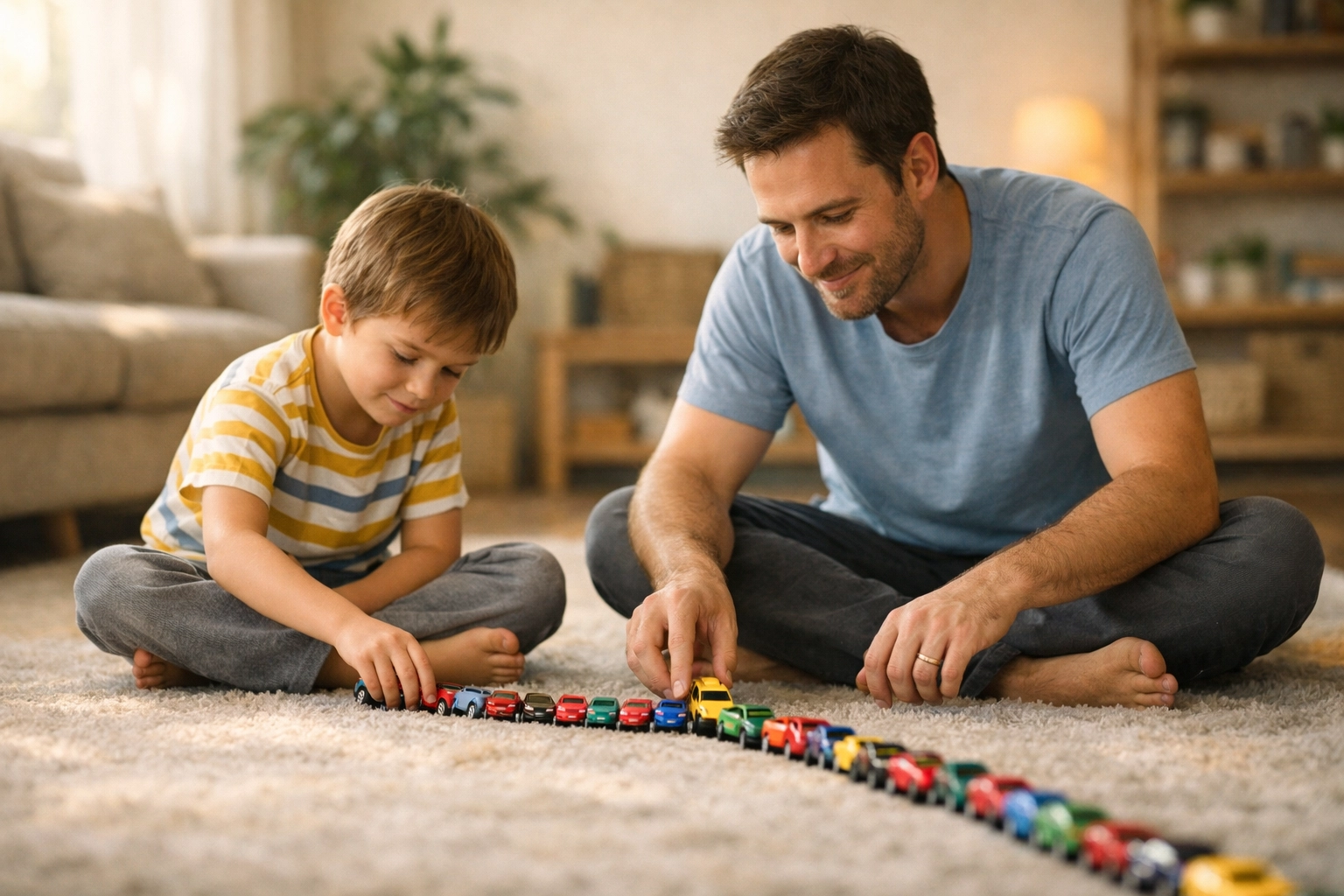
Sometimes, the best newly diagnosed autism help is simply to sit on the floor and join your child in their world. If they love spinning wheels, sit and watch the wheels with them. If they line up their cars, admire the perfect symmetry. This is called "joining," and it builds a bridge of trust.
When your child feels seen and accepted for exactly who they are, not as a project to be completed, their progress often accelerates. Hope grows in the soil of acceptance.
If you’re feeling overwhelmed by the long-term future, pull your focus back to the next 24 hours. You don't have to figure out college or adulthood today. You just have to figure out today.
There is a unique kind of hope that comes when you stop chasing "normal." Normal is a dryer setting; it’s not a standard for a human life.
Our children see colors we don't notice. They hear the music in the hum of a refrigerator. They have an honesty and a purity that is rare in this world. When you start to see these traits as gifts rather than symptoms, the future stops looking scary and starts looking like an adventure.

If you are struggling to find that hope today, let us hold it for you. At We Are Autism, we know the road is long, but it is also beautiful. We provide educational articles and Building Bridges resources to give you the tools you need when ABA isn't available, when services have ended, or when you simply need practical, low-pressure support that works in real life. No matter where you live, support can start with one article, one video, one conversation, and one small shift that helps your child feel understood.
I’ve sat where you’re sitting. I’ve felt that pit in my stomach. But I can tell you with total certainty: you are the exact parent your child needs. You are stronger than you feel right now, and your child is more capable than any diagnostic report can ever capture.
Take it one day at a time. The hope isn't gone; it’s just waiting for you to find it in the small, quiet moments of connection.
If you need someone to talk to or want to learn more about how we can support your family, please reach out to us on our contact page. We are a global family, and there is always a seat at our table for you.
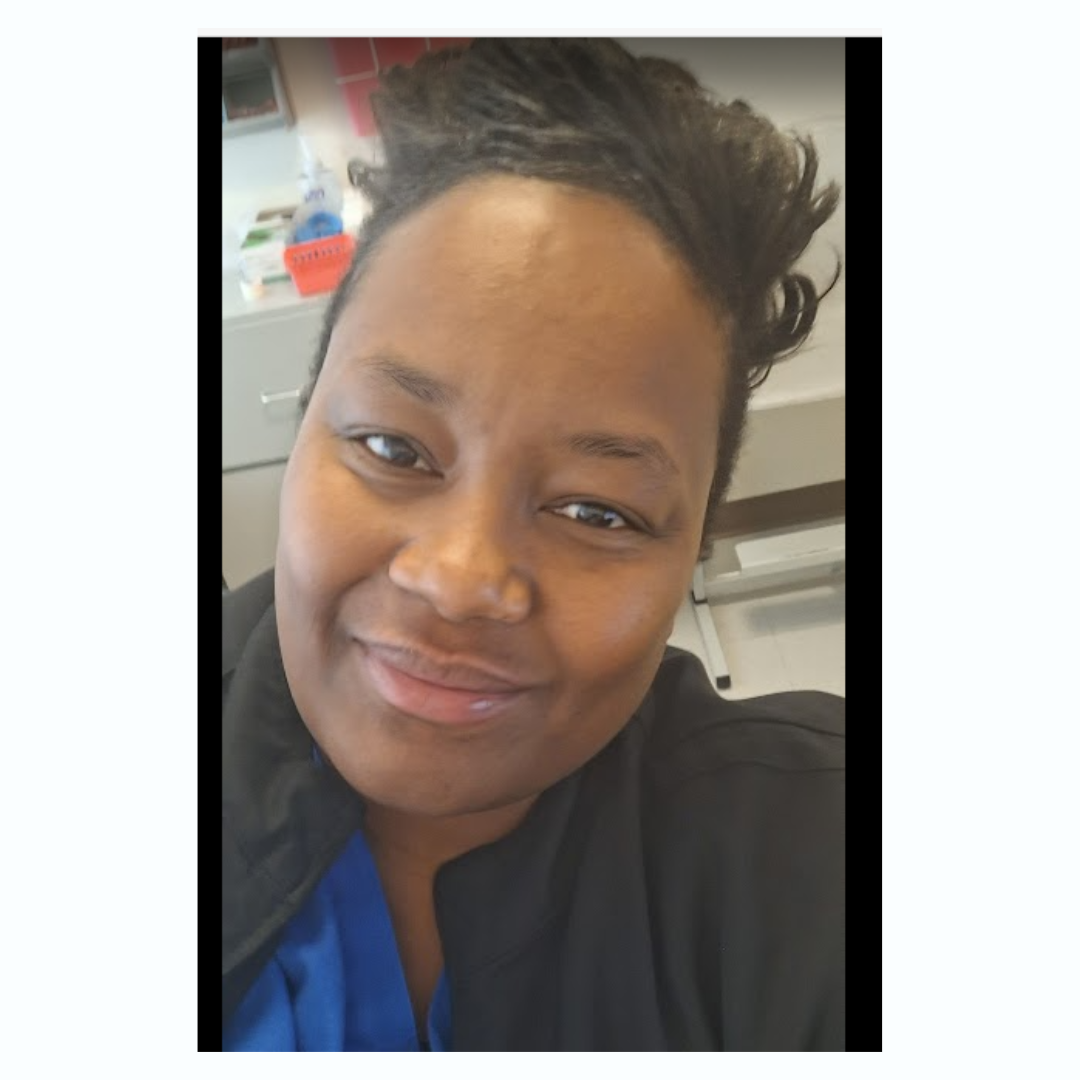
Charlene Pinnock is the founder of We Are Autism, a nonprofit organization dedicated to supporting and empowering parents and caregivers of children on the autism spectrum. As a mother navigating her own journey with autism, Charlene brings both lived experience and heartfelt compassion to her work. Through education, community programs, and real-life resources, she is committed to creating a space where families feel seen, supported, and understood. Charlene’s mission is simple yet powerful: to ensure that no parent walks the autism journey alone.
.avif)