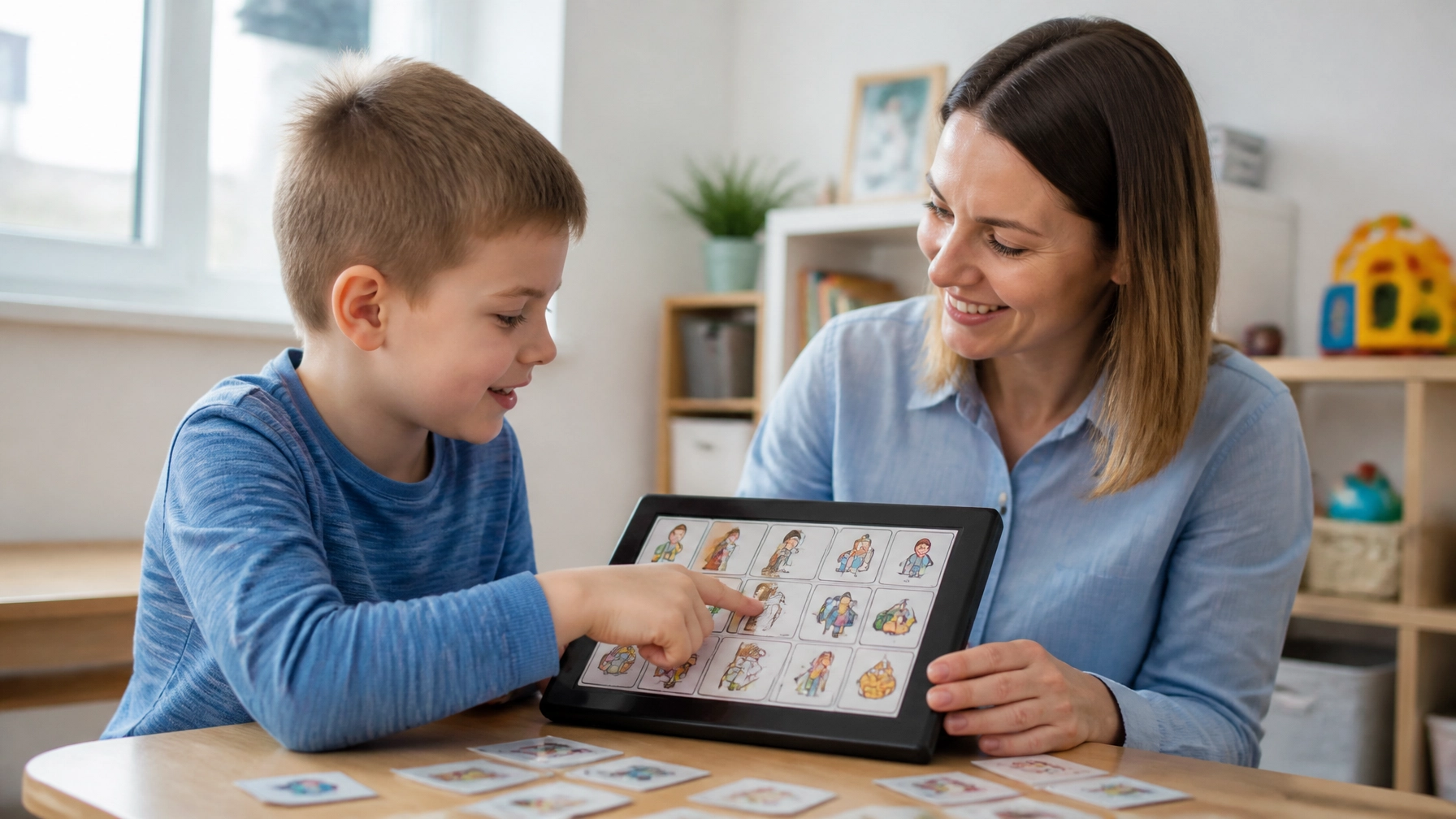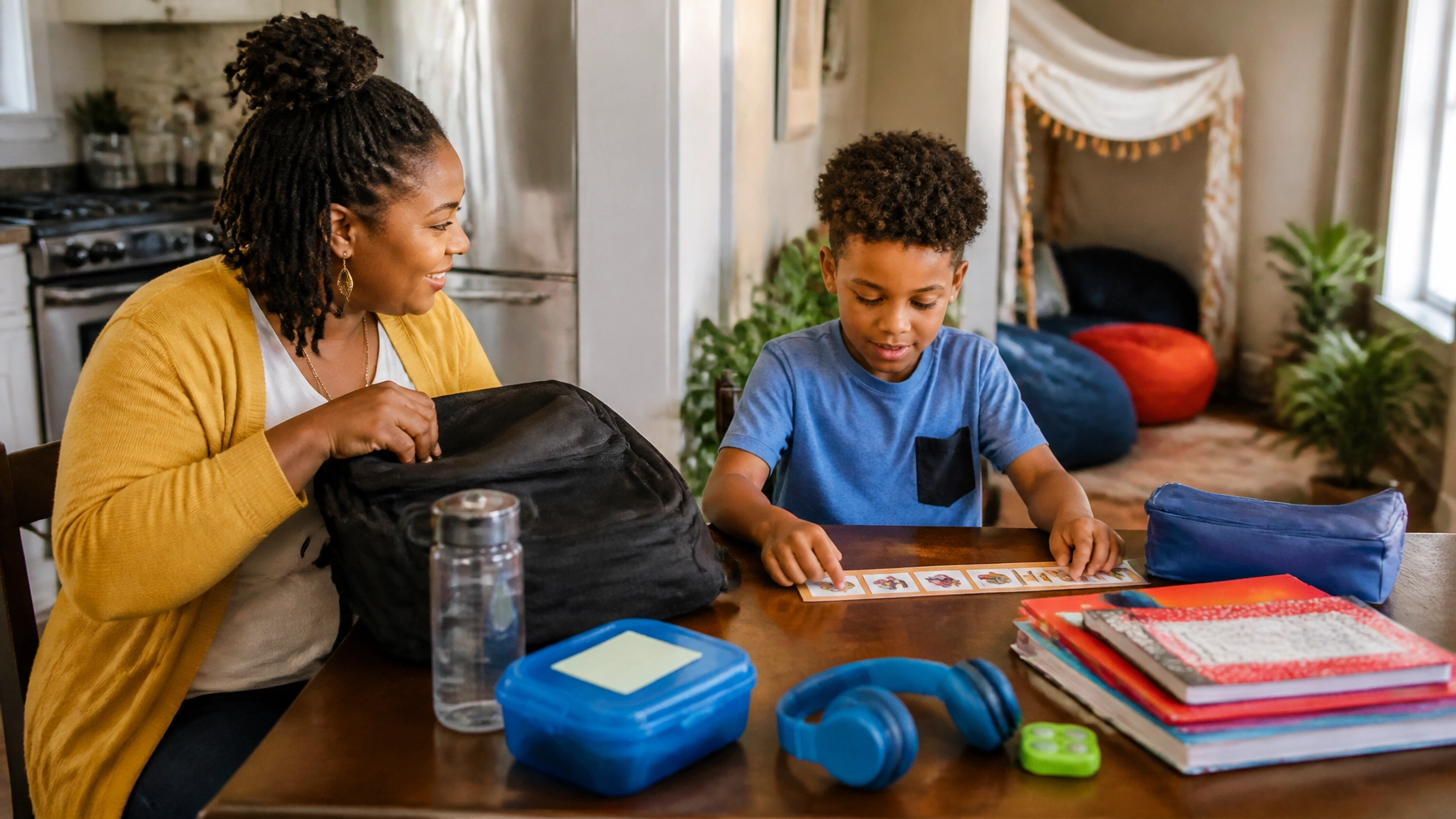
Hey there, friends! Welcome back to our blog. If you’ve been following along, you know how much we love celebrating the voices within our community. Today, I am putting on my "author hat" to share something very close to my heart. We are continuing our Author Spotlight series, and this time, we’re diving into a book I wrote specifically to help our little ones (and maybe some grown-ups, too) understand the world a bit better.
The book is titled Some Differences Are Invisible, and it’s all about the challenges that aren’t immediately obvious to the naked eye. As the Founder of We Are Autism, I see these "invisible" struggles every single day. Whether it's a sensory meltdown in a grocery store or a child struggling to process a social cue, these moments aren't always easy to spot if you don't know what you're looking for.
In this post, I want to talk about why I wrote this book, what it means for our community, and how we can all lead with a little more kindness.
When we think of the word "disability," many people still picture a wheelchair, a white cane, or a hearing aid. These are visible markers that tell the world, "Hey, I navigate life a little differently." But for so many people in the neurodivergent community, especially those on the autism spectrum, the differences are tucked away inside.
An invisible difference might be a hypersensitivity to the hum of a refrigerator. It might be the overwhelming anxiety that comes from a change in a daily routine. It might be the fact that while a child looks "typical," their brain is processing language at a different speed.
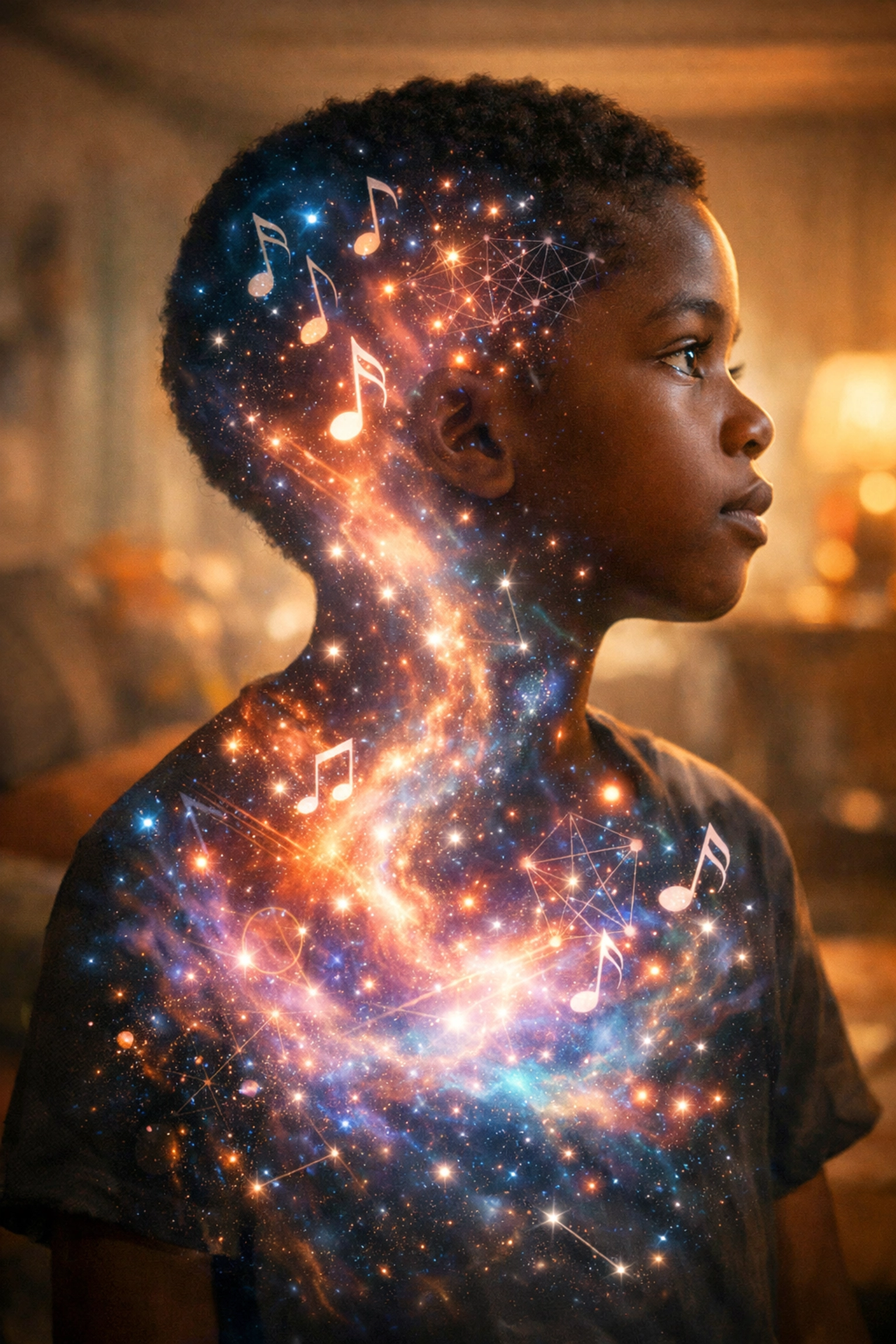
In Some Differences Are Invisible, I wanted to peel back the curtain. I wanted to show children that just because you can’t see a struggle doesn't mean it isn't real. It’s about teaching our kids that the boy sitting alone or the girl covering her ears isn't "weird", she’s just experiencing the world in a way that’s unique to her.
One of the biggest takeaways I hope readers get from the book is this: Kindness doesn’t require understanding everything; it just requires a caring heart.
Sometimes, we get so caught up in trying to "figure out" why someone is acting a certain way. We want a diagnosis, a label, or an explanation before we decide how to react. But the truth is, we don't need to know the "why" to offer a smile, a helping hand, or simply some space.
For parents and teachers, this is a powerful lesson to pass on. We can teach our children that when they see a peer struggling, they don’t need to be doctors or therapists. They just need to be friends. They need to have the patience to wait and the empathy to care.
At We Are Autism, we are very intentional about being inclusive and diverse. Our community is global, and our stories should reflect that. In my writing and our advocacy, I make sure that we represent the Jamaican and global autism community. Autism doesn't look like just one type of person; it crosses every border and every culture.
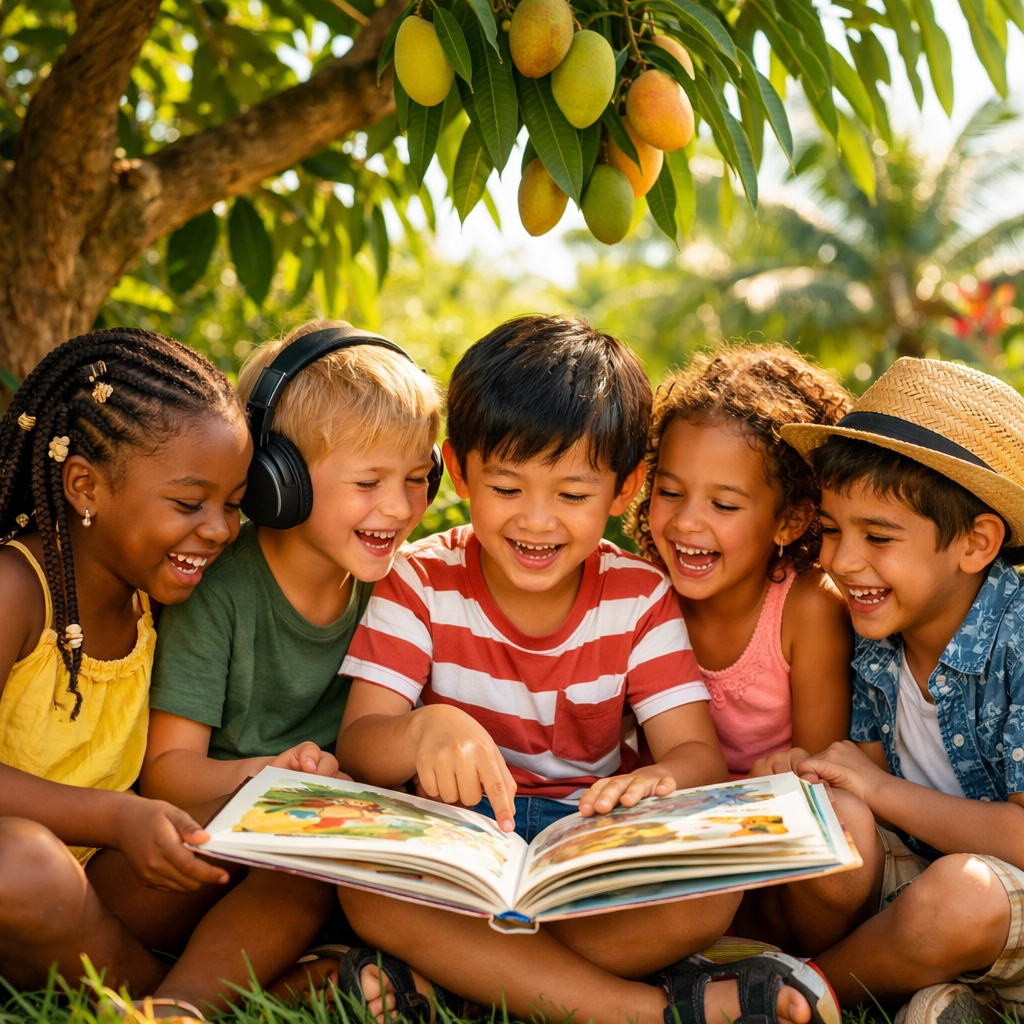
When a child opens a book and sees someone who looks like them, or someone who looks completely different, navigating the same invisible challenges, it builds a bridge of connection. It tells them they aren't alone.
If you’re looking for more ways to connect with these themes, I highly recommend checking out our Building Bridges series. We use these videos to talk about real-life experiences and provide practical support for families who might not have access to traditional services.
I know many of you are in a position where access to intensive services like ABA (Applied Behavior Analysis) is limited, or perhaps you’ve finished a program and are wondering, "What now?"
Practical support is at the core of what we do. We know that the "real world" doesn't always come with a therapist in tow. That’s why Some Differences Are Invisible is designed to be a tool for your home library. It’s a conversation starter. You can use it to explain to siblings why their brother or sister might need a "quiet minute," or use it to help your child understand their own feelings.
We also have a wealth of resources on our Educational Articles page to help you navigate these daily hurdles. Whether you're looking for tips on sensory management or just need to know you're doing a great job, we’re here for you.
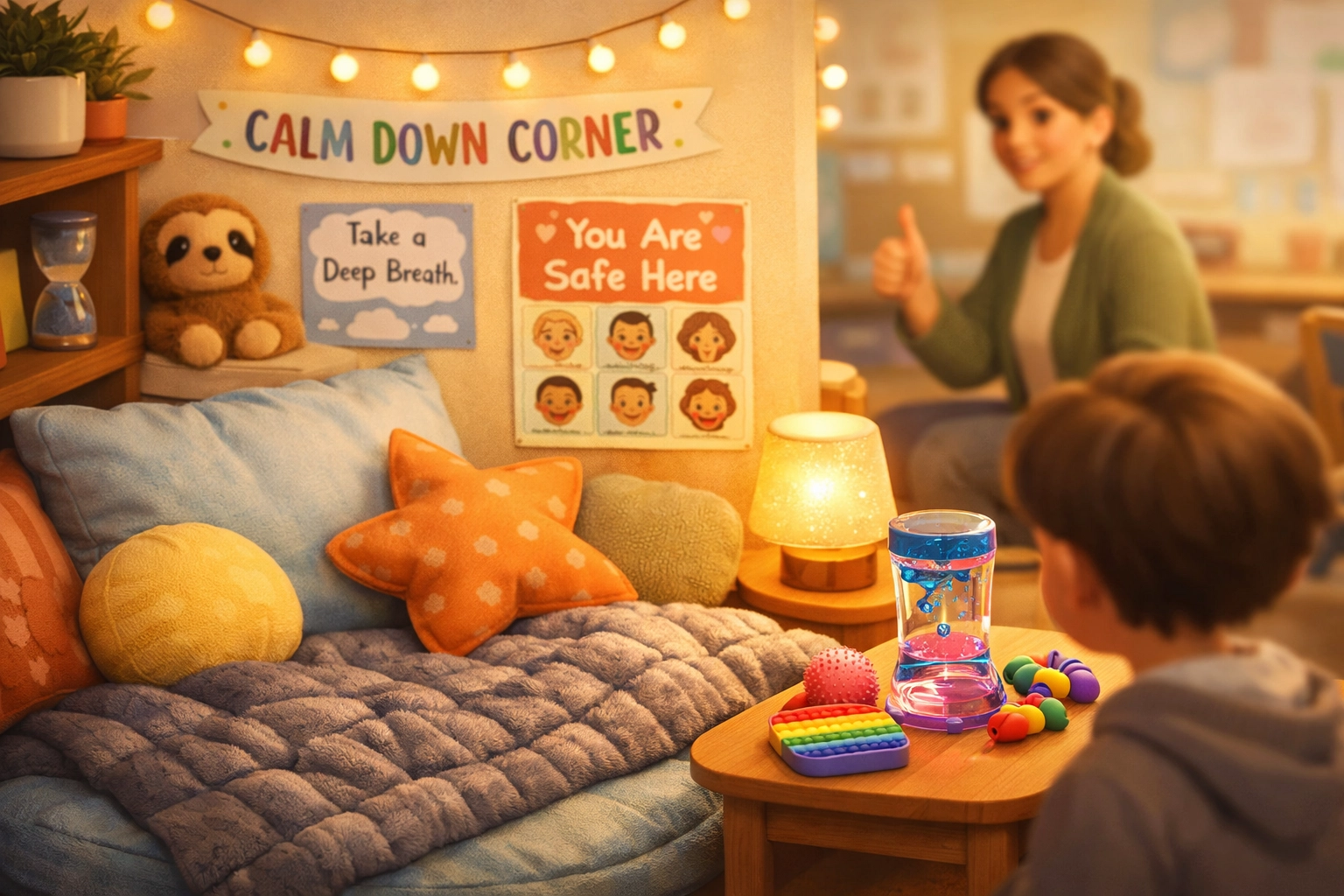
If you’re an educator, you likely have students with invisible differences in your classroom right now. Here are a few ways you can use the themes from the book to create a more inclusive environment:
Every time someone reads one of our books or visits we-are-autism.org, it helps us continue our mission of providing support and advocacy. We are a non-profit, and our goal is to ensure that no family feels like they are walking this path alone.
If you want to grab a copy of Some Differences Are Invisible, you can find it right now on Amazon! It makes a wonderful gift for teachers, librarians, and parents. You can also see our full library of books and resources on our Linktree.
If you have questions about how to support a loved one or want to join a community that truly "gets it," please don't hesitate to visit our Support Groups page or check out our FAQ. We are all in this together.
Understanding the beauty of invisible differences starts with a shift in perspective. It’s about looking past the surface and seeing the human being underneath. It’s about recognizing that diversity: in all its forms: is what makes our world vibrant and interesting.
Thank you for being part of our journey. Thank you for choosing kindness, even when you don't fully understand the "why." Together, we are building a world where everyone, regardless of how their brain works, feels seen, heard, and loved.
Stay tuned for our next Author Spotlight, and in the meantime, keep spreading that love!
With heart,
Charlene Pinnock
Founder & Executive Director – We Are Autism
Quick Links:
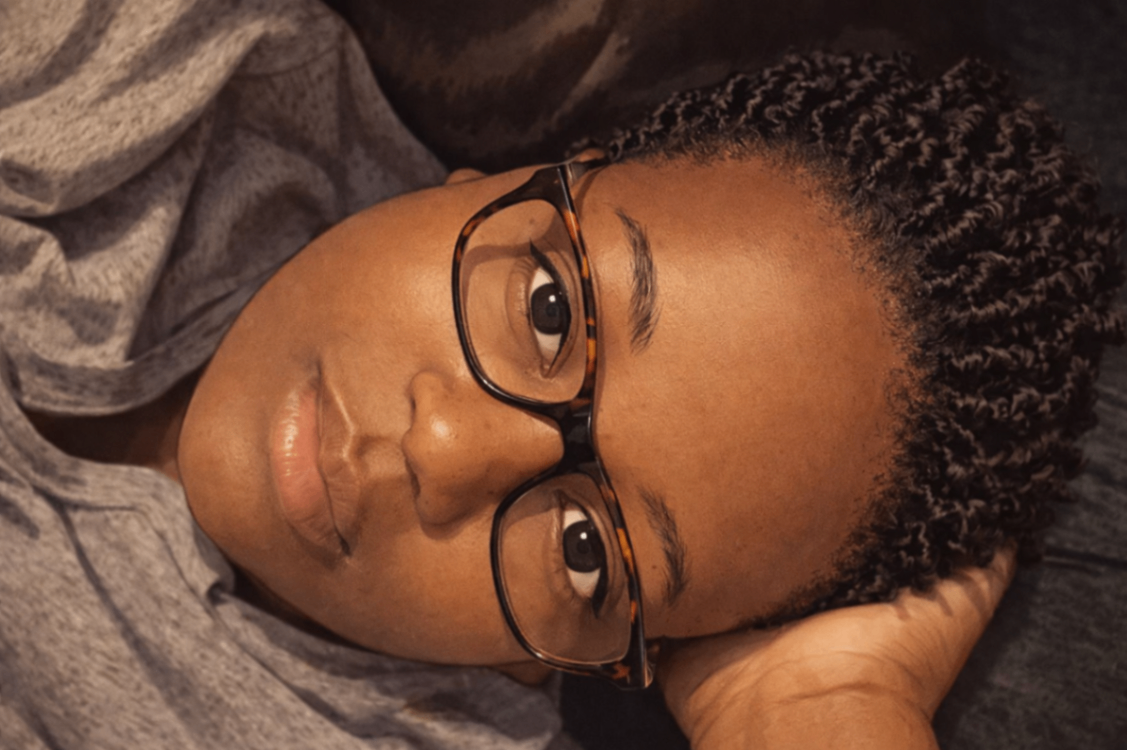
Charlene Pinnock is a mother, author, and the Founder of We Are Autism. Inspired by her journey raising her son Marcus, she creates meaningful books and resources that help families better understand autism, manage everyday challenges, and feel supported every step of the way. Her mission is to remind parents that they are not alone and that every child deserves to be seen, understood, and celebrated.
.avif)