Parenting a child with autism is a journey that requires grace, patience, and a whole lot of heart. Join Aunty Charlene as she shares the seven common mistakes parents make and how to swap burnout for a more peaceful, connected home.
Hey there, family. Take a deep breath with me for a second. If you’re reading this, chances are you’re looking for a little bit of guidance, maybe a little bit of hope, or just someone who understands why you’re still wearing your pajamas at 2:00 PM. I want you to know something right off the bat: I see you. I’ve been in those shoes where the coffee is cold, the house is loud, and your heart is heavy with a million "what-ifs." Parenting a child with autism is a marathon run on a path that hasn't been paved yet, and it is perfectly okay to feel exhausted.
I’ve spent years talking to families through We Are Autism, and if there’s one thing I’ve learned, it’s that we all want the best for our babies. But sometimes, in our rush to "fix" everything or meet every milestone, we trip over the same common hurdles. Finding the right autism support for parents isn’t just about getting a therapist for your child; it’s about making sure you have the tools to stay standing, too. So, let’s have a little heart-to-heart, "Aunty Charlene" style, about the mistakes we all make and how we can do better, without losing our minds in the process.
I know you want your child to learn. I know you want them to catch up. But one of the biggest mistakes we make is turning every toy, every snack, and every walk in the park into a pop quiz. "What color is this? Can you say 'apple'? Point to the blue one!"
Sweetheart, take a beat. There is a saying we love around here: Play is a child's work. For an autistic child, play might look different. It might look like lining up cars for an hour, spinning the wheels on a truck, or just watching the way the light hits a bubble. If it doesn’t look "productive" to the outside world, that’s okay. When we force every interaction to be therapeutic, we suck the joy out of the relationship. Sometimes, the best autistic child education happens when you just sit on the floor and do exactly what they’re doing. Join their world instead of forcing them into yours 24/7.

We live in a world that loves spontaneity, but for our kiddos, a sudden change in plans can feel like an earthquake. Many of our children thrive on predictability. When we change the routine, maybe a different route to school or a sudden stop at the grocery store, without preparation, we’re often inviting a meltdown.
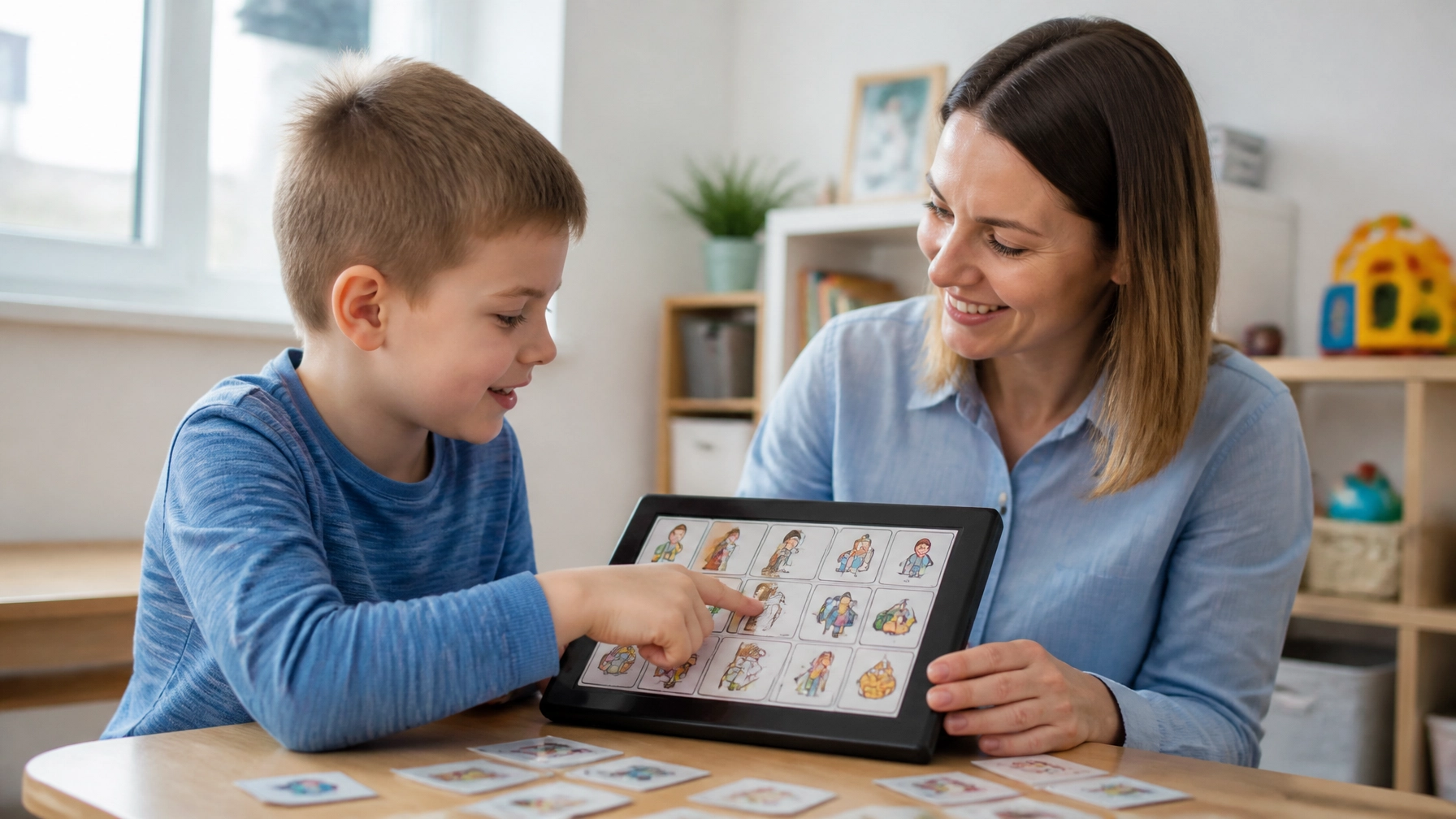
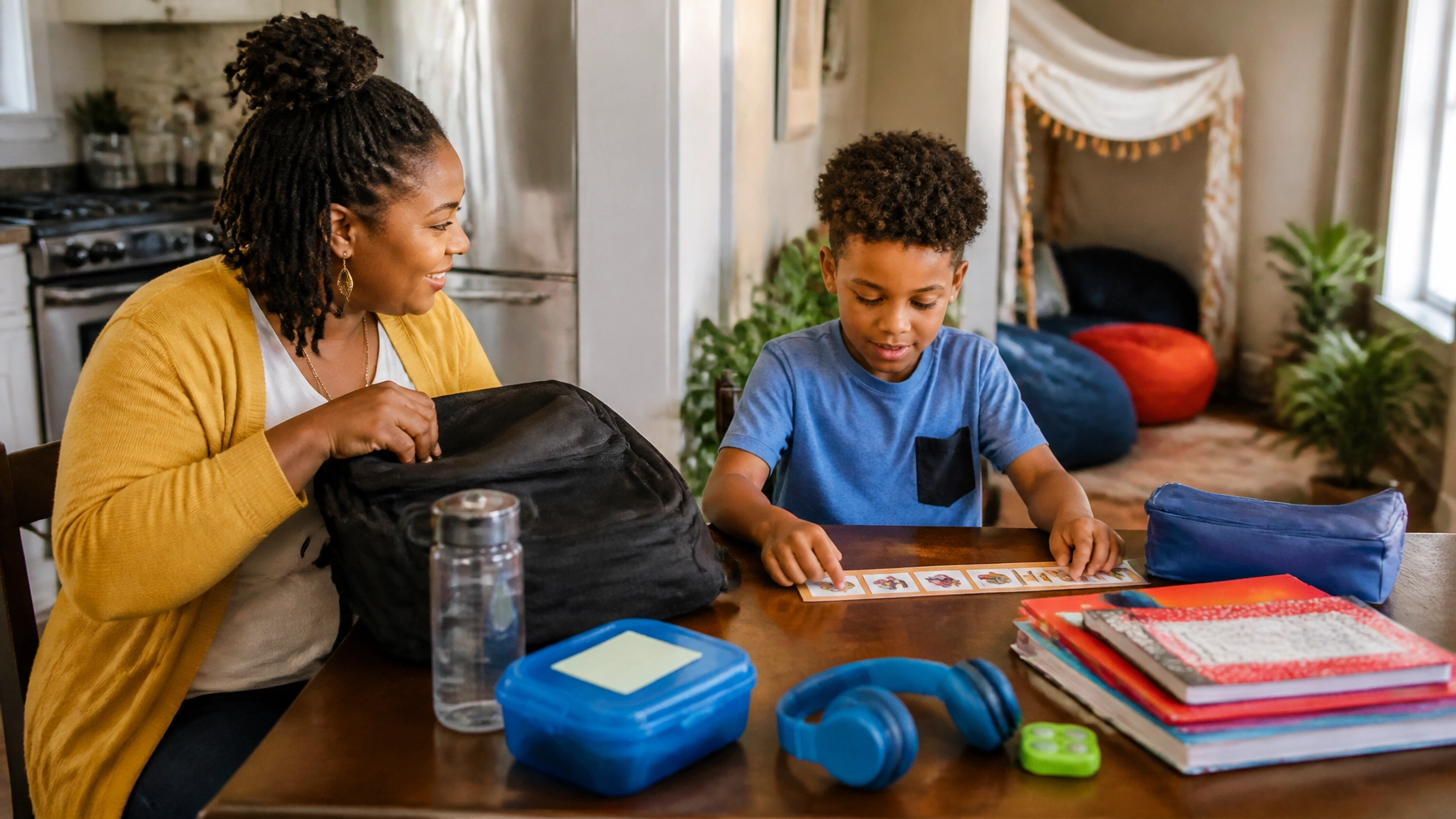
Instead of fighting the need for routine, lean into it. Use visual schedules or simple "first/then" boards. This is one of those simple autism sensory strategies that saves everyone’s sanity. If a change is coming, talk about it early and often. Predictability equals safety. When a child feels safe, their nervous system relaxes, and when their nervous system relaxes, your stress levels go down too.
We often focus so much on words that we forget to listen to what our child’s environment is saying to them. If your child is having a "behavior," stop and look around. Is the fluorescent light humming? Is the tag on their shirt scratchy? Does the room smell like onions from lunch?
Ignoring these autism sensory strategies is like trying to have a conversation while someone is screaming in your ear. Proactively simplifying the environment is a game-changer. Think about noise-canceling headphones, dimmable lights, or even just a "quiet corner" with soft blankets. If you’re looking for more ways to understand this, our educational articles cover a lot of ground on creating sensory-friendly spaces.
Comparison is the thief of joy, especially in the autism community. It is so easy to look at a neighbor’s child or even another child on the spectrum and wonder, "Why isn't my child doing that yet?"
Every child develops at their own pace. When we set unrealistic expectations based on typical milestones, we set ourselves up for heartbreak. Focus on your child’s individual progress. Did they make eye contact for one second longer today? Did they use a new sign? That is a victory! Celebrate it. At We Are Autism, we believe in celebrating every unique path. Our book, Aaliyah Moves in Her Own Way, is a beautiful reminder that moving differently doesn't mean moving wrongly.

This is where that "Aunty Charlene" spirit really comes in. Sometimes, our children can't find the words. They might scream, they might push, or they might completely shut down. If we only listen to the noise (the behavior), we miss the message (the need).
Communication is so much more than verbal speech. One of the best autism communication tips I can give you is to observe. Look at their hands, their eyes, their body tension. When communication gets tough, don't just react to the "naughtiness." Sit with them. Let them know you’re there. Sometimes, they just need us to be a calm harbor in their stormy sea. If you’re struggling with this, checking out our Building Bridges videos can give you a fresh perspective on connecting without words.
Listen to me closely: You are not meant to do this in isolation. One of the most common mistakes is pulling inward and trying to handle everything yourself because you’re afraid people won’t understand. This is the fastest track to burnout.
You need a village. Whether it’s a local group or an online community, you need people who "get it." We offer support groups specifically because we know how heavy this load is. You don’t have to explain why your child is stimming or why you’re crying in a support group, everyone already knows. Finding autism resources for families is about finding your tribe.

You cannot pour from an empty cup. It sounds like a cliché, but it is the absolute truth. If you are running on two hours of sleep, haven't eaten a proper meal, and haven't spoken to an adult friend in a week, you aren't going to be the parent your child needs.
Self-care isn't a luxury; it’s a necessity for parent support for autism. It might just be ten minutes of silence in the car or a hot bath after the kids are down. Take the time. Your child needs a healthy you more than they need a perfect therapist-parent. If you're looking for ways to explain this journey to others in your life, books like Andre Sees Words Differently or the Fearfully and Wonderfully Made series are great autism awareness for families tools to help your relatives understand the world you're living in.

If you’ve made these mistakes, join the club! I’ve made them, your neighbor has made them, and the most "expert" doctors have probably made them too. The point isn't to be perfect; it's to be present.
Whether you are looking for newly diagnosed autism help or you’ve been on this road for a decade, remember that love is the strongest tool in your kit. Be kind to yourself today. You’re doing a job that requires the strength of a lion and the heart of a lamb.
If you need more help with autism behavior strategies or just want to feel less alone, please reach out to us at We Are Autism. We have webinars, books like Marcus Good Boy, and a community waiting to welcome you with open arms.
You’ve got this, and we’ve got you. Talk soon!

Charlene Pinnock is a mother, author, and the Founder of We Are Autism. Inspired by her journey raising her son Marcus, she creates meaningful books and resources that help families better understand autism, manage everyday challenges, and feel supported every step of the way. Her mission is to remind parents that they are not alone and that every child deserves to be seen, understood, and celebrated.
.avif)