We’ve all been there. It’s 6:00 PM, the sensory environment in the living room has reached a fever pitch, and you’re staring at a meltdown that feels impossible to navigate. In those moments, it’s easy to feel like you’re failing, or worse, like you’re completely alone in the struggle. But I want to tell you something right now: you are doing a great job, and it’s okay to ask for a roadmap.
At We Are Autism, we see the incredible dedication parents bring to the table every single day. We also see the burnout. That’s exactly why we’ve put together a brand-new, four-week blog series designed to move you from a place of "just getting through the day" to a place of empowered, confident parenting.
This series isn't just about giving you more "to-dos": you have enough of those. It’s about shifting the way you view the journey. Research actually shows that when parents feel more confident in their ability to handle challenges: something experts call "parental self-efficacy": their stress levels drop significantly. In fact, a small boost in your confidence can lead to a nearly triple-sized decrease in your daily stress. That is the transformation we are aiming for.
The world can be a very loud, bright, and "too much" place for our kids. For many on the spectrum, sensory processing isn't just a minor annoyance; it’s a physical experience that dictates their mood, their ability to learn, and their sense of safety.
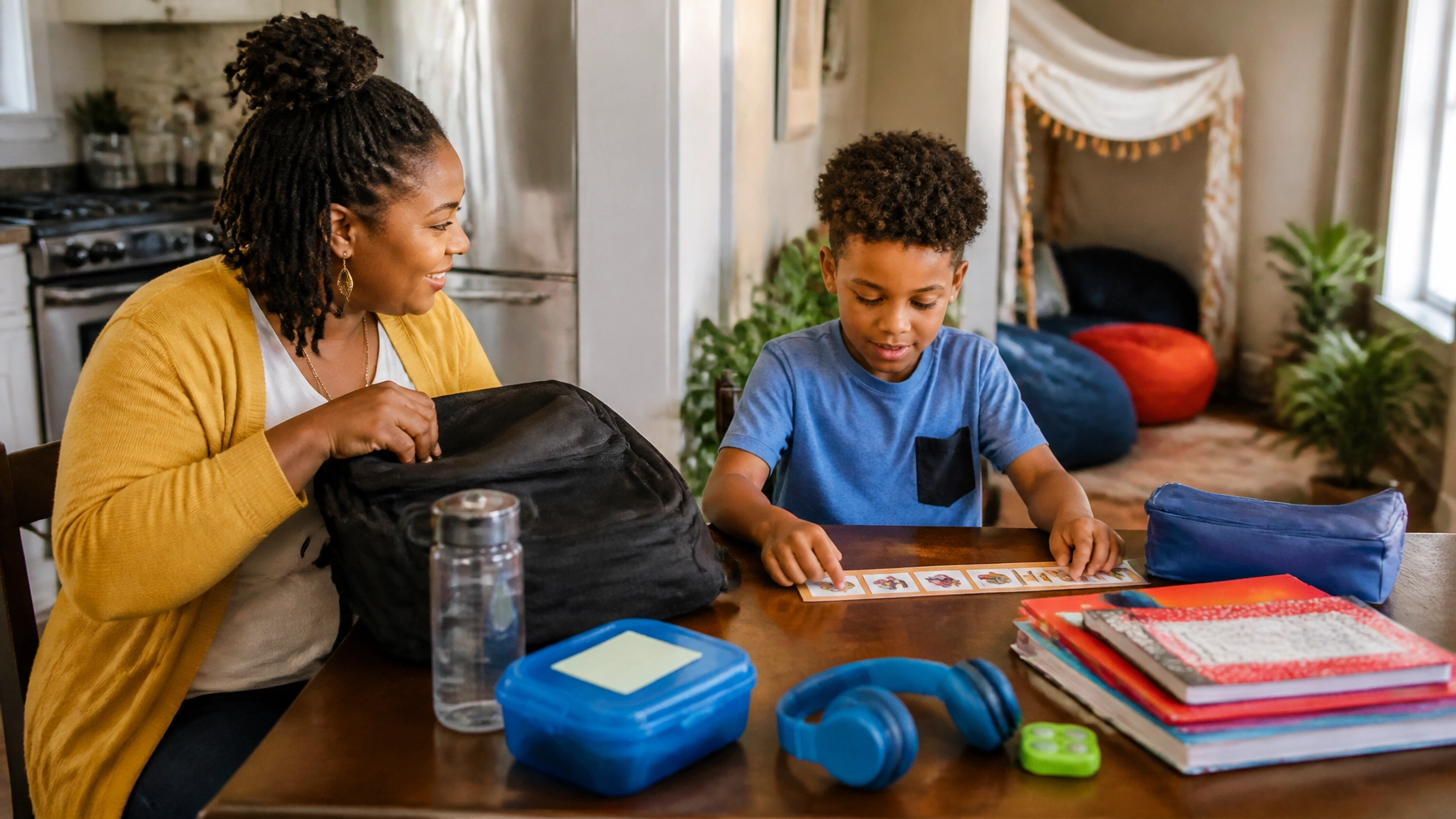
In the first week of our series, we are diving deep into Simple Home Strategies for Success. We’re moving away from expensive equipment and focusing on what you can do right now, in your own living room, to create a "sensory-safe" haven. We’ll talk about identifying the subtle triggers that might be causing those "storms" and how to implement a sensory diet that actually fits into a busy family schedule.
When you understand the why behind a sensory reaction, you stop seeing it as a behavioral problem and start seeing it as a need for support. This shift alone can change the entire atmosphere of your home.

Communication is so much more than just spoken words. If your child is non-verbal or uses alternative ways to communicate, it can sometimes feel like there’s a wall between you. But here’s the secret: your child is always communicating. Our job is to learn their specific dialect.
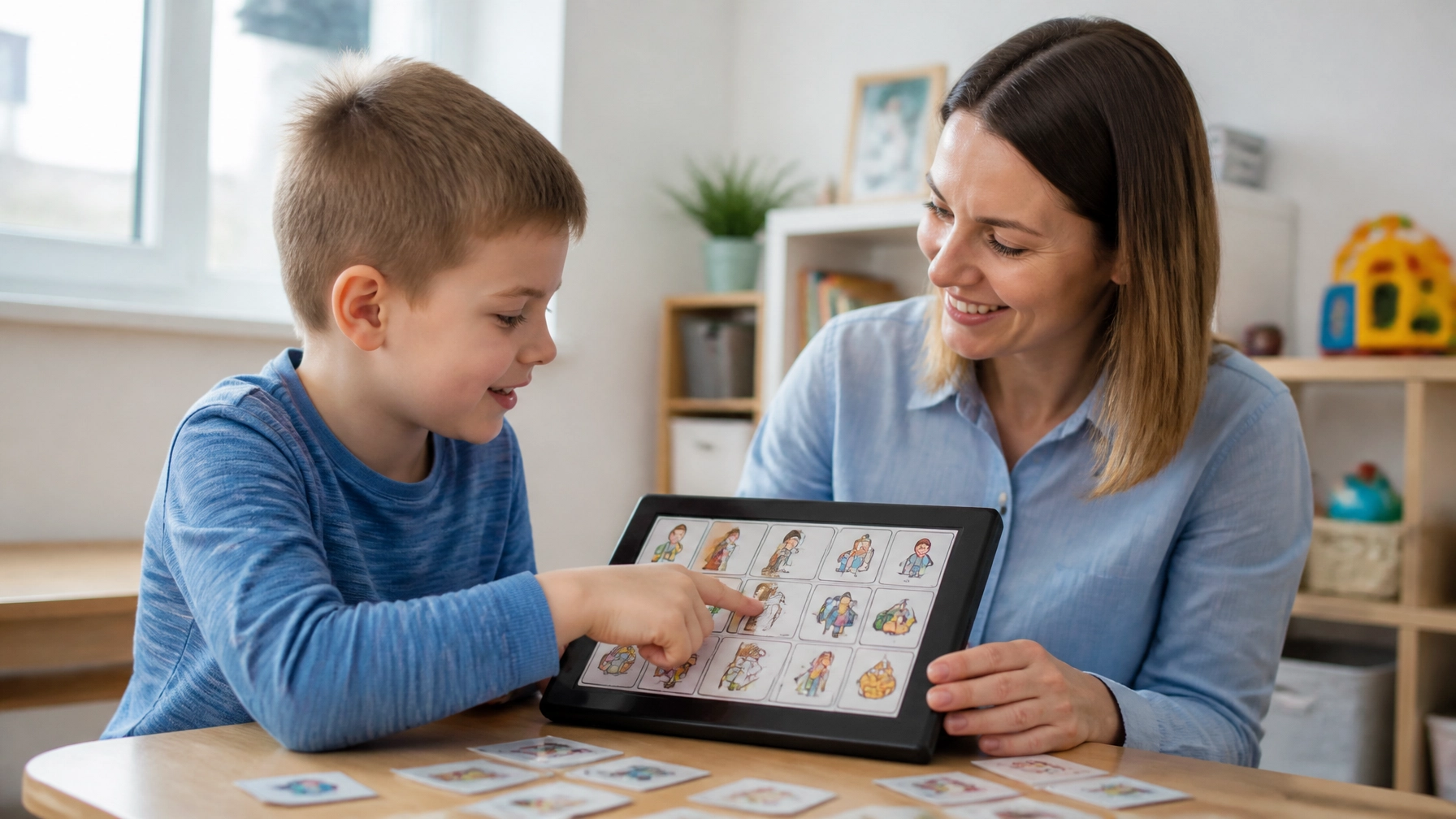
During Week 2, we focus on Essential Communication Tips for Your Little One. We explore how to build connection through play, shared interests, and visual supports. One of our favorite ways to encourage this is through interactive tools like Marcus’s Word Adventure videos. These videos aren't just entertainment; they are designed to bridge the gap between learning and fun, helping children engage with language in a way that feels safe and exciting.
By focusing on connection first and "speech" second, you’ll find that the frustration levels in your house start to dip. You can find more resources on this on our educational articles page, where we break down the science of connection into bite-sized pieces.
Autism parenting can be incredibly isolating. It’s hard to explain to a neighbor why your child is screaming at the sound of a lawnmower, or why you can’t just "grab coffee" on a whim. That isolation is a weight no one should have to carry alone.
Week 3 is all about Finding and Building Your Autism Support System. We truly believe that "We Are Autism" isn't just a name: it’s a statement of community. We’ll be talking about how to find local resources, how to vet support groups, and how to build a "village" that actually gets it.
Whether it's joining one of our support groups or connecting with other families through the I Love Someone on the Spectrum initiative, finding your tribe is the best way to prevent burnout. When you have a community, you have a place to vent, a place to celebrate the "small" wins that are actually huge, and a place to realize that your family is exactly where it needs to be.

Behavior is communication. This is the mantra of Week 4. When a meltdown happens, it’s usually because the child’s internal resources have run out. They aren't trying to be "difficult"; they are trying to survive a moment that feels overwhelming.
In our final installment, Hopeful Behavior Strategies That Actually Work, we move beyond traditional discipline and toward compassionate management. We’ll look at how to use positive reinforcement and how to stay calm when the world feels like it’s crashing down. I’ve shared a lot of these strategies in my personal educational videos, focusing on the heart of the child rather than just the outward action.
We’ll also point you toward our webinars where we go even deeper into these topics. The goal isn't to "fix" the behavior, but to understand the need behind it and meet it with hope and a plan.

One of the biggest takeaways from this series: and from the research we've gathered: is that consistency is a superpower. When you, as a parent, learn these evidence-based strategies, you provide your child with a predictable environment. For an autistic child, predictability equals safety.
When your responses at home align with the support they get elsewhere, your child can stop worrying about how to navigate the world and start focusing on growing within it. This series is designed to give you the tools to be that consistent, confident anchor.
We didn't create this series to be another thing on your "should" list. We created it because we know how much potential is locked inside your child and how much strength is locked inside of you. Sometimes, you just need someone to hand you the key.
Through these four weeks, we want to help you increase your "parenting self-efficacy." We want you to stand tall, knowing that you have the strategies to handle the sensory storms, the tools to communicate with your little one, the community to back you up, and the compassion to navigate the tough behaviors.
This journey isn't easy, but it is incredibly rewarding. Every step you take to learn and grow alongside your child is a step toward a brighter, more connected future.
If you’re looking for more immediate help or want to see what else we offer, feel free to check out our FAQ or reach out to us directly through our contact page. We are here for you, every step of the way.

The first step is often the hardest, but you’ve already taken it by being here. This weekly series is our gift to you: a way to say that we see you, we honor your journey, and we are in this together.
Keep an eye on our blog every week as we roll out these sessions. Let’s change the way we parent, one strategy at a time. Let’s move from surviving to thriving. Because at the end of the day, we aren't just managing a diagnosis; we are raising incredible humans.
And remember, if you ever find yourself in an absolute crisis and don't know where to turn, we have a list of emergency hotlines available. You are never, ever alone.

Charlene Pinnock is the founder of We Are Autism, a support platform dedicated to helping parents and caregivers navigate the autism journey with compassion, practical guidance, and community support.
.avif)