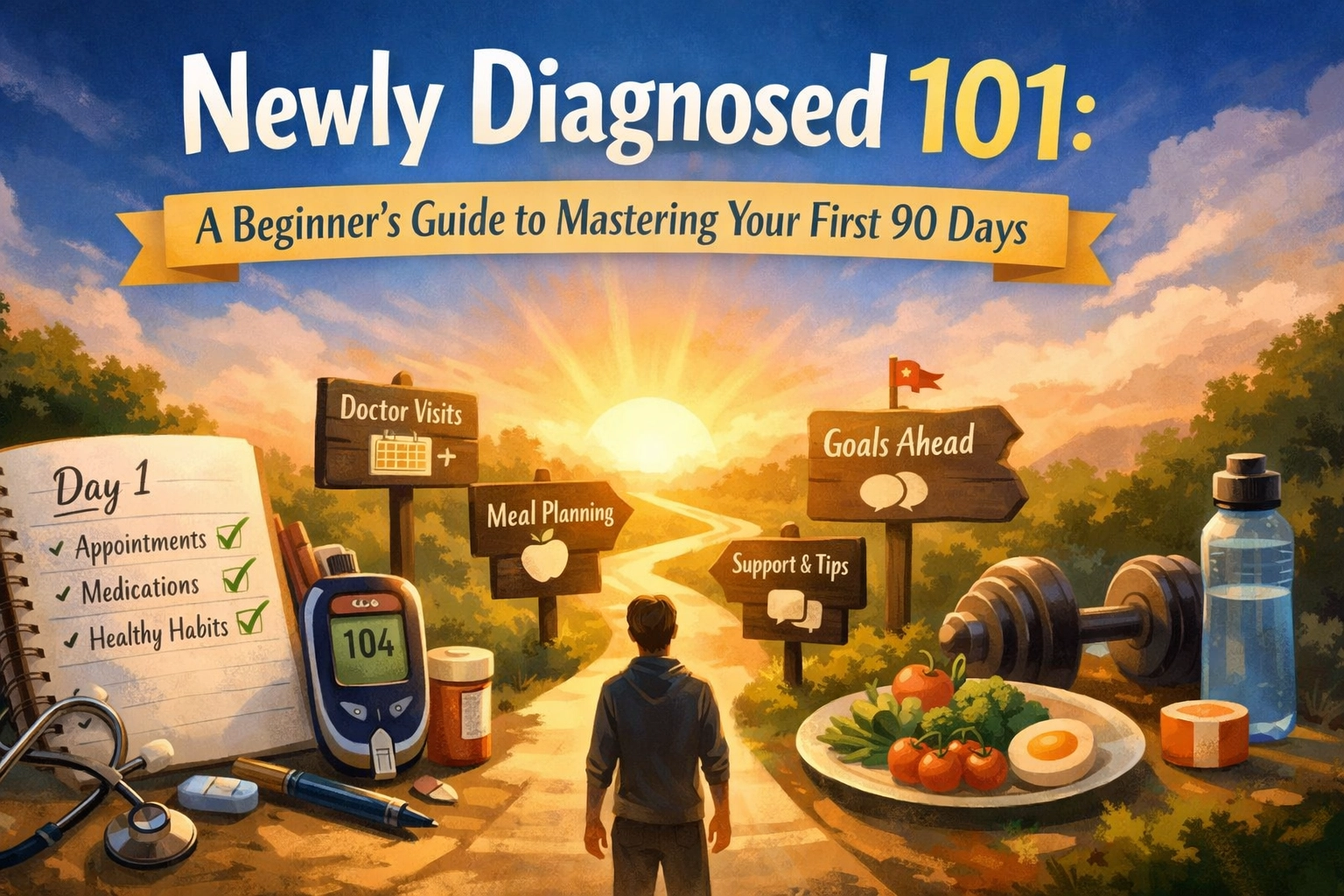
Hey there. If you’re reading this, chances are you’ve recently received an autism diagnosis for your child. First off, I want you to take a deep, long breath. Hold it for a second, and let it out. You’ve probably been running on adrenaline, coffee, and Google searches for weeks, if not months.
At We Are Autism, our mission is to walk right alongside you. We aren't just a clinical resource; we are a family. We know that those first few months after a diagnosis can feel like being dropped in the middle of a foreign country without a map. That’s why I’ve put together this 90-day action plan. We’re going to move from the "What now?" phase into the "We’ve got this" phase, one step at a time.
The first month isn't about fixing everything, it's about gathering your thoughts and finding your ground. You are likely experiencing a mix of relief (finally, an answer!) and grief. Both are totally normal.
The report you received from the doctor might look like it’s written in code. Schedule a follow-up appointment specifically to go over the findings. Don't be afraid to ask the "silly" questions.
Pro Tip: When you go to these appointments, limit yourself to asking three main questions. Research shows that our brains can really only process about that much high-stakes info at once. If you try to ask thirty questions, you’ll leave feeling more confused than when you walked in.
Don't do this alone. Choose a spouse, a best friend, or a grandparent to be your "Medical Advocate." Their job is to come to appointments with you, take notes, and remember the things you might forget because you’re busy being a parent. Patients and parents with an advocate retain about 40% more information.
You are about to be buried in paperwork, medical records, IEP drafts, insurance authorizations, and therapist notes. Grab a physical 3-ring binder or create a dedicated digital folder. Request copies of everything. You’ll need these for school meetings and specialist visits down the road. Having them all in one place is the best newly diagnosed autism help you can give your future self.

Now that the initial shock has settled slightly, it’s time to start building the "scaffolding" that will support your child.
This is where you look for autism support for parents in your specific area. Contact local support groups and state agencies. Depending on where you live, there may be early intervention programs or Medicaid waivers that can help cover costs. Check out our Support Groups page to see how we can connect you with people who truly get it.
You’ll likely hear a lot of acronyms: ABA, OT, SLP, PT. It can be overwhelming. Start reaching out to providers, but remember: you are the expert on your child. If a clinic doesn't feel like a good fit, or if the tone feels too clinical and not enough like "home," keep looking. Your child’s therapy team should feel like partners, not just practitioners.
Autism life involves a lot of scheduling. Create a master calendar that everyone in the house can see. Whether it’s a digital Google Calendar or a big whiteboard in the kitchen, tracking therapy sessions and doctor visits is crucial. This is also a great time to visit our FAQ page to clear up common questions about what to expect from different types of providers.

By month three, you’re starting to see that life goes on. Now we focus on making the home environment a place where everyone can thrive.
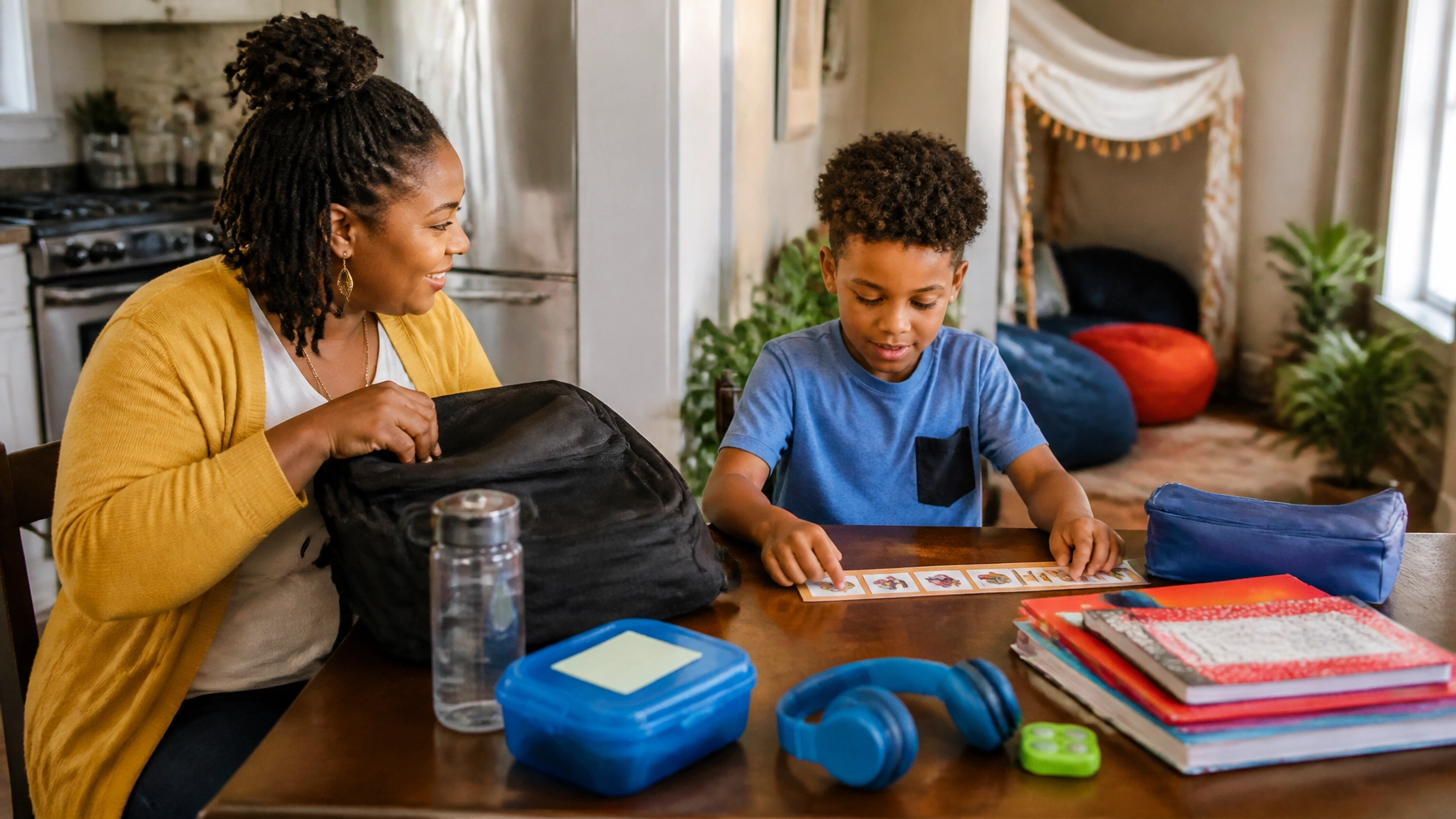
You don't need to remodel your house. Start with small, sensory-friendly changes. Maybe that means blackout curtains for a child who is sensitive to light, or a "calm-down corner" with weighted blankets and fidgets. If you’re worried about safety, check out our Emergency Hotlines and safety resources to ensure your home is a secure sanctuary.
You cannot pour from an empty cup. It sounds cliché, but it’s the truth.
The most important of all autism resources for families is community. Isolation is the biggest enemy of a special needs parent. We created the "Talk to Aunty Charlene" space because sometimes you just need to talk to someone who has been there, done that, and bought the t-shirt. Whether you need a shoulder to cry on or a win to celebrate, our community is here for you.

The first 90 days are just the beginning of a beautiful, albeit different, journey. You aren't just "managing" a diagnosis; you are learning how to support a unique and wonderful human being.
At We Are Autism, we believe in building bridges between where you are and where you want to be. Whether you are looking for Educational Articles to better understand the spectrum or you want to join our Webinars to learn from experts, we’ve got your back.
Remember, this is a marathon, not a sprint. Pace yourself, keep your binder organized, and never forget that you are exactly the parent your child needs.
If you ever feel lost or just want to say hi, Contact Us. We’re always here to listen. You’ve got this, and we’ve got you!

Want to support awareness and inclusion? Explore our collection of children's books that celebrate neurodiversity and help families better understand different abilities and developmental journeys.
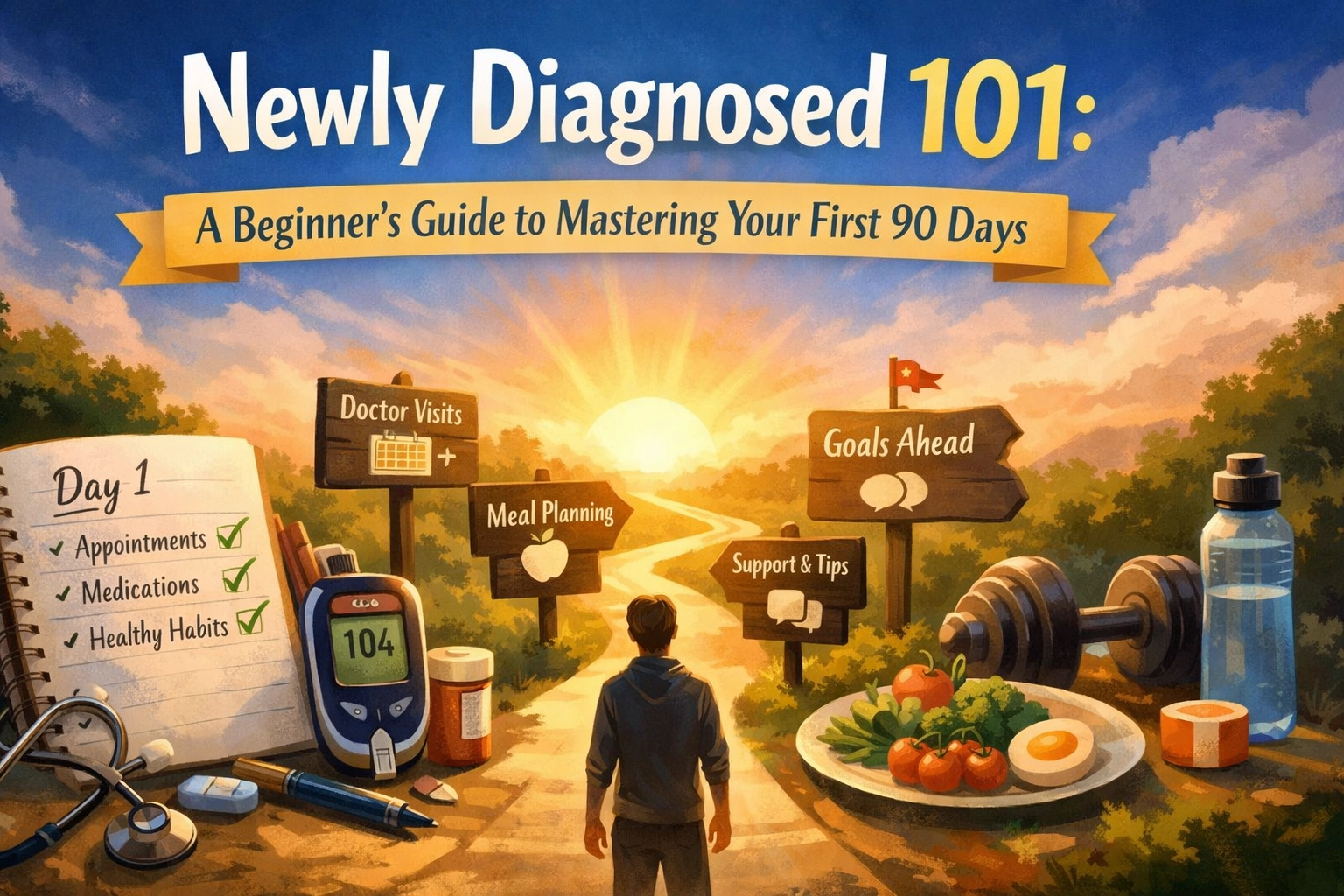
Charlene Pinnock is the founder of We Are Autism, a support platform dedicated to helping parents and caregivers navigate the autism journey with compassion, practical guidance, and community support.
.avif)